“`html

Understanding Drones: Common Misconceptions, Regulations, and Rights

As drones become an increasingly common sight in the skies over the northeastern United States, particularly in Vermont and New York, reactions range from fascination to concerns over privacy. This article aims to clarify aspects surrounding drones, including their size, appearance, regulations enforced by the Federal Aviation Administration (FAA), and misconceptions about airspace rights.


What is a Drone?

Also known as Unmanned Aircraft Systems (UAS), drones are remote-controlled devices capable of high-speed flights and capturing high-definition imagery. Recent technological advancements have increased their accessibility. According to the FAA website, these devices have become a staple in both recreational and commercial applications.


Types and Appearance

Drones mainly fall into two categories: quadcopters, commonly known with four rotors, and fixed-wing types, akin to miniature airplanes. Quadcopter drones are renowned for their vertical takeoff and landing capabilities, as well as their maneuverability.


Regulations and Licenses

The FAA oversees drone operations with stringent regulations. No license is required for recreational use, but operators must complete an online course. Commercial drone operators need a Part 107 license, which allows them to fly drones for work or business purposes.


Flying Restrictions

Drones cannot be flown over 100 mph or above 400 feet AGL. Specific airspace classifications dictate flying protocols to ensure safety and prevent interference with manned aircraft.


Legal Misconceptions

One of the most common misconceptions is whether it is legal to shoot down a drone flying over private property. The Cornell Law School clarifies that it is illegal to shoot down drones, as this act is considered a crime similar to shooting at an aircraft, carrying severe legal consequences.


Learn More

For those interested in learning more about drones, the FAA website offers detailed regulations and FAQs about drone usage.


Michael Cusanelli, a licensed UAS pilot, authored this insightful piece, originally published by WPTZ, aiming to inform the public about legal and safe drone usage.


“`

More Articles

Getting licensed or staying ahead in your career can be a journey—but it doesn’t have to be overwhelming. Grab your favorite coffee or tea, take a moment to relax, and browse through our articles. Whether you’re just starting out or renewing your expertise, we’ve got tips, insights, and advice to keep you moving forward. Here’s to your success—one sip and one step at a time!

AI in Medical Diagnosis: Revolutionizing Healthcare Standards

"AI and machine learning are emerging as powerful technologies to address this issue, improving the accuracy of medical diagnosis and revolutionizing healthcare with their myriad applications."

AI in Breast Imaging Market Set for Explosive Growth

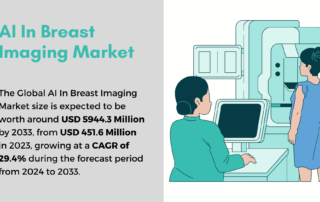
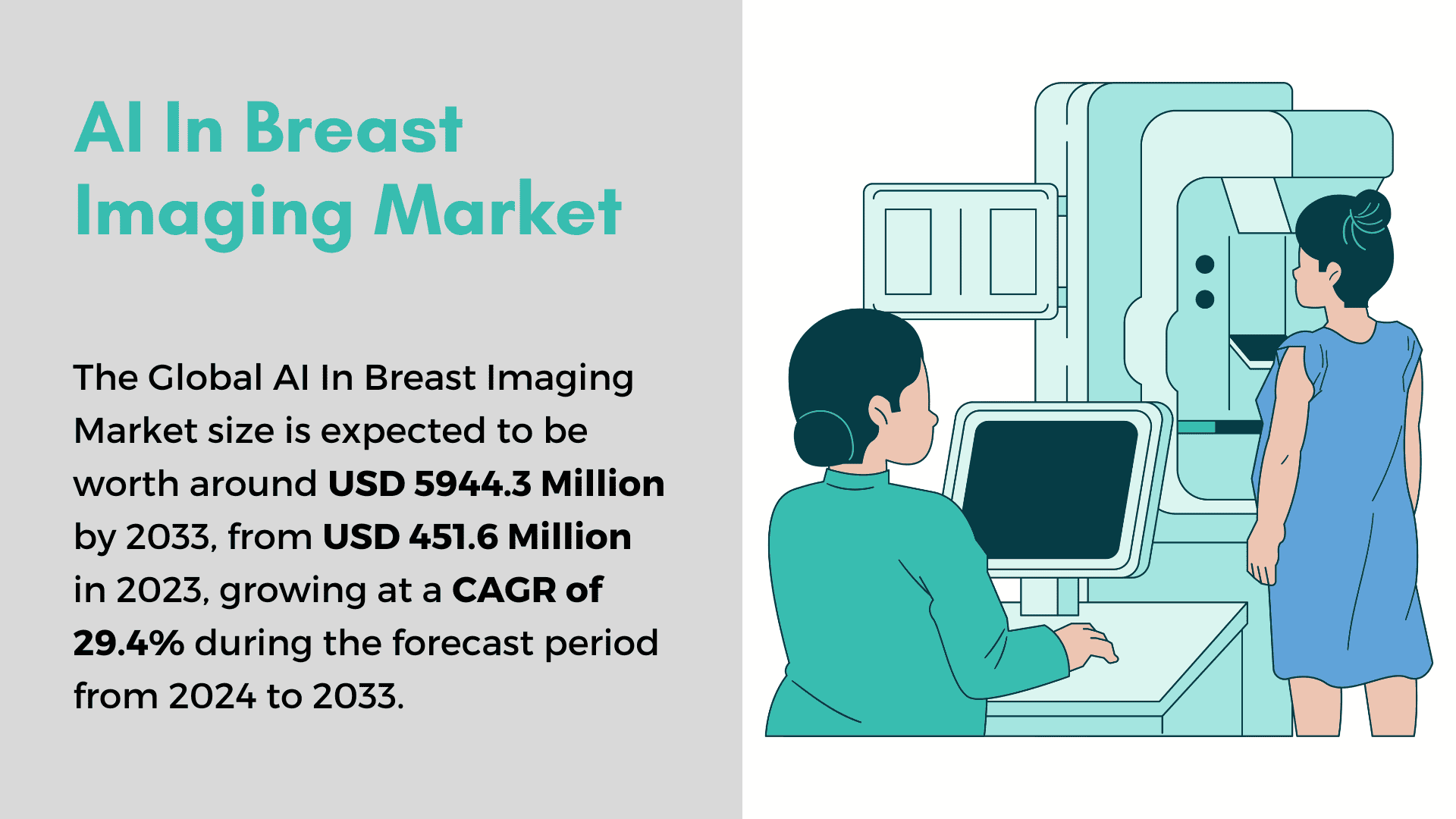
The global AI in breast imaging market is on a remarkable growth trajectory, projected to swell from USD 451.6 million in 2023 to an impressive USD 5944.3 million by 2033. This represents a compound annual growth rate (CAGR) of 29.4%, primarily driven by cutting-edge advancements in AI technologies that significantly enhance diagnostic accuracy, facilitate early detection, and boost healthcare efficiency.

Virtual Real Estate: Navigating Investments in Metaverse Platforms

Virtual real estate in metaverses is becoming a focal point for investors worldwide, with digital plots of land mirroring traditional real estate value based on location, size, and platform popularity.

The Transformative Power of AI in In-Vitro Diagnostics

Artificial intelligence (AI) and machine learning are at the forefront of revolutionizing in-vitro diagnostic (IVD) tools, redefining diagnostics and enhancing healthcare outcomes on multiple fronts.

The Future of Life Sciences: A Vision for 2030

As we edge closer to 2030, the life sciences industry stands on the threshold of transformative changes. With a global valuation exceeding $2 trillion, the sector is poised for significant growth, driven by technological advancements and an aging population.

Telehealth: A Boon for Patients, A Challenge for Rural Hospitals

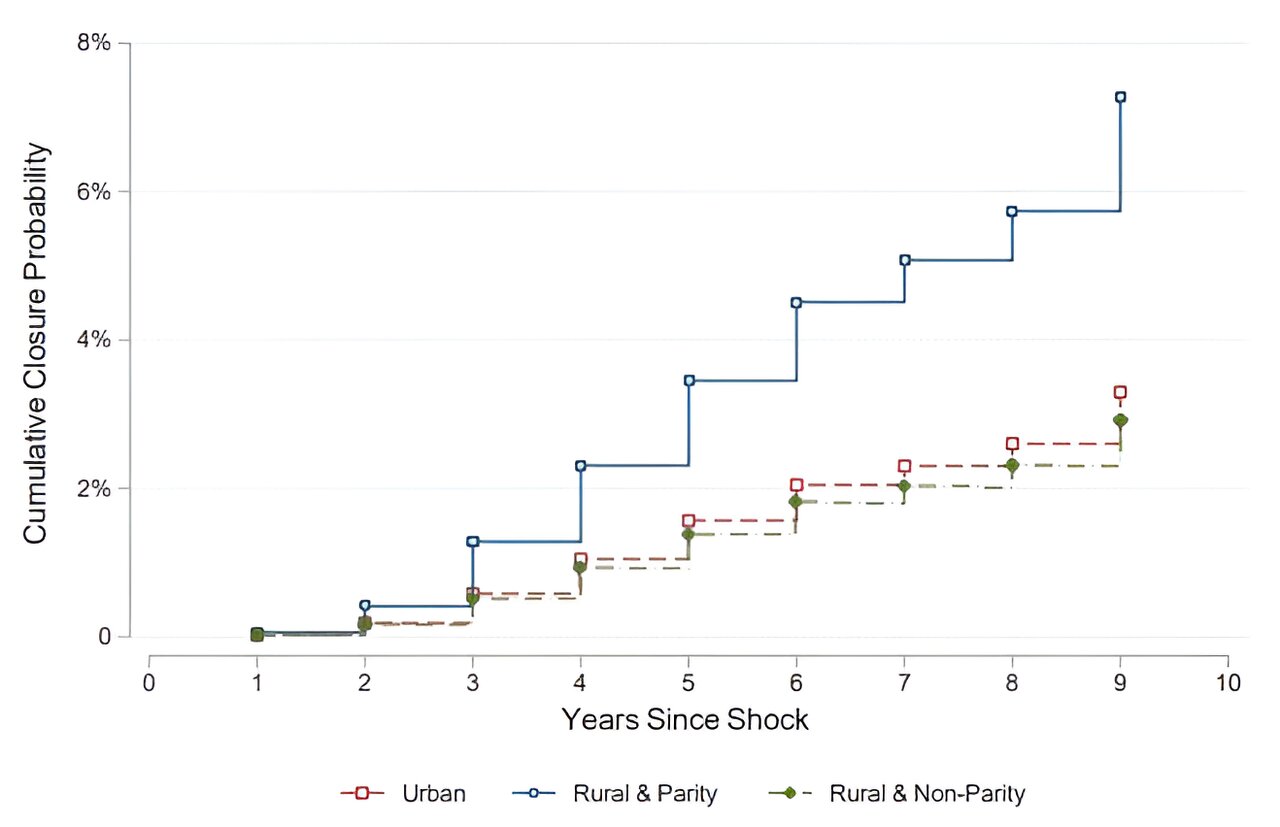
The advent of telehealth has revolutionized the way patients, particularly those in rural areas, access health care. By offering remote consultations and follow-up care, telehealth provides a convenient alternative to traveling long distances to urban hospitals. However, this technological advancement brings with it a set of challenges that could reshape the rural health care landscape.

By |December 20, 2024|Categories: Article, Health/Medicine, Technology|Tags: , |0 Comments