In a bid to enhance transparency and streamline the application process, the Commonwealth of Pennsylvania has released its Licensure Processing Guides and Timelines. This initiative, detailed in a recent publication on the official Pennsylvania government website, aims to provide applicants with a clear understanding of the expected timeframes for processing their applications, while also helping to reduce errors and mitigate delays.

The guide breaks down the licensing process into three distinct phases:
  • Phase One involves the initial assessment of the application by the Department staff. This phase includes authorization to take any required exams and notifications of missing information or incomplete applications.
  • Phase Two measures the time taken by applicants or third parties to meet all application requirements, such as completing exams or providing necessary documents.
  • Phase Three focuses on the period from the receipt of a complete application to the final decision of issuing or denying the license.

The Department of State, responsible for licensing and regulating hundreds of professions, has emphasized the importance of transparency in its mission to protect the health and safety of Pennsylvania’s citizens. The professional licensing guide serves to inform applicants about expected timeframes and provide steps to reduce mistakes and mitigate delays.

For those looking to apply online, the process is straightforward. Applicants are encouraged to sign in or create an account on the Pennsylvania Licensing System. From there, they can select the appropriate board, complete the application, and pay the required fee. Real-time updates are available through the system, ensuring that applicants are kept informed throughout the process.

To further assist applicants, the Department has provided specific guides for various professions, including:

The original article, published a week ago, can be accessed here for further details and insights into the licensure process improvements.

More Articles

Getting licensed or staying ahead in your career can be a journey—but it doesn’t have to be overwhelming. Grab your favorite coffee or tea, take a moment to relax, and browse through our articles. Whether you’re just starting out or renewing your expertise, we’ve got tips, insights, and advice to keep you moving forward. Here’s to your success—one sip and one step at a time!

Artificial Intelligence in Diagnostics: A Revolution in Healthcare

The global market for artificial intelligence in diagnostics is poised for remarkable growth, with projections estimating it to reach USD 7.3 billion by 2032.

By |December 10, 2024|Categories: Article, Artificial Intelligence, Healthcare|Tags: , |0 Comments

Revolutionizing Medical Education with Extended Reality

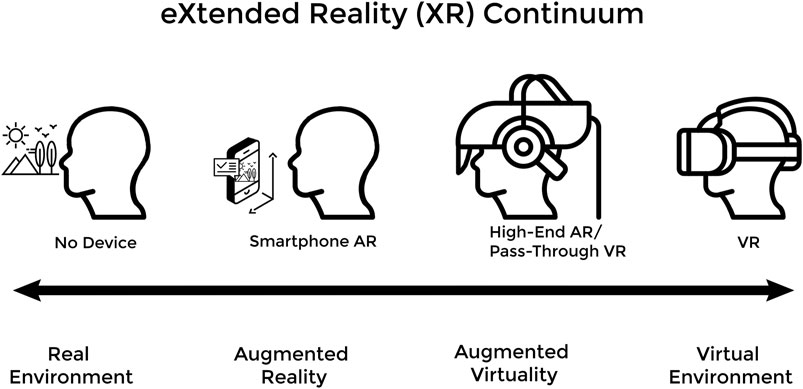
In the ever-evolving landscape of medical education, a new player has emerged, promising to revolutionize the way future doctors are trained. The integration of eXtended Reality (XR) technologies is reshaping the educational landscape by addressing the limitations of traditional methods.

Genetic Testing: A New Dawn in Healthcare

Genetic testing represents more than just a scientific advancement; it signifies a fundamental shift in how we approach health and wellness.

Sustainable Architecture: Blending Innovation with Ecological Responsibility

The journey toward sustainable architecture is ongoing, with each project serving as a beacon of what's achievable when creativity meets ecological awareness.

By |December 9, 2024|Categories: Architecture, Article, Sustainability|Tags: |0 Comments

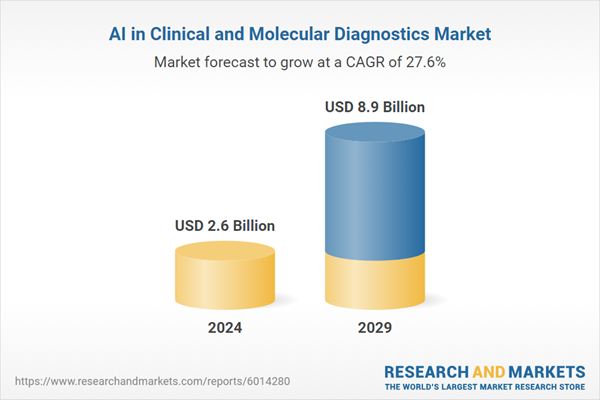
AI in Clinical and Molecular Diagnostics: A Market on the Rise

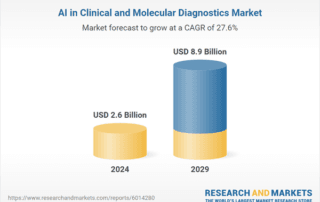
AI in Clinical and Molecular Diagnostics Market is set to experience remarkable growth, projected to surge from USD 2.6 billion in 2024 to USD 8.9 billion by 2029. This growth is driven by the integration of advanced AI technologies such as machine learning and deep learning into traditional diagnostic methodologies like imaging, genomics, and laboratory testing.

AI: A Revolution in Healthcare’s Future

AI is not a distant dream but a present reality, already integrated into everyday life through virtual assistants like Alexa and Siri. AI shows promise in enhancing medical accuracy, such as in predicting mesothelioma survival and improving colonoscopy accuracy, it is not intended to replace healthcare professionals.