In a bid to enhance transparency and streamline the application process, the Commonwealth of Pennsylvania has released its Licensure Processing Guides and Timelines. This initiative, detailed in a recent publication on the official Pennsylvania government website, aims to provide applicants with a clear understanding of the expected timeframes for processing their applications, while also helping to reduce errors and mitigate delays.

The guide breaks down the licensing process into three distinct phases:
  • Phase One involves the initial assessment of the application by the Department staff. This phase includes authorization to take any required exams and notifications of missing information or incomplete applications.
  • Phase Two measures the time taken by applicants or third parties to meet all application requirements, such as completing exams or providing necessary documents.
  • Phase Three focuses on the period from the receipt of a complete application to the final decision of issuing or denying the license.

The Department of State, responsible for licensing and regulating hundreds of professions, has emphasized the importance of transparency in its mission to protect the health and safety of Pennsylvania’s citizens. The professional licensing guide serves to inform applicants about expected timeframes and provide steps to reduce mistakes and mitigate delays.

For those looking to apply online, the process is straightforward. Applicants are encouraged to sign in or create an account on the Pennsylvania Licensing System. From there, they can select the appropriate board, complete the application, and pay the required fee. Real-time updates are available through the system, ensuring that applicants are kept informed throughout the process.

To further assist applicants, the Department has provided specific guides for various professions, including:

The original article, published a week ago, can be accessed here for further details and insights into the licensure process improvements.

More Articles

Getting licensed or staying ahead in your career can be a journey—but it doesn’t have to be overwhelming. Grab your favorite coffee or tea, take a moment to relax, and browse through our articles. Whether you’re just starting out or renewing your expertise, we’ve got tips, insights, and advice to keep you moving forward. Here’s to your success—one sip and one step at a time!

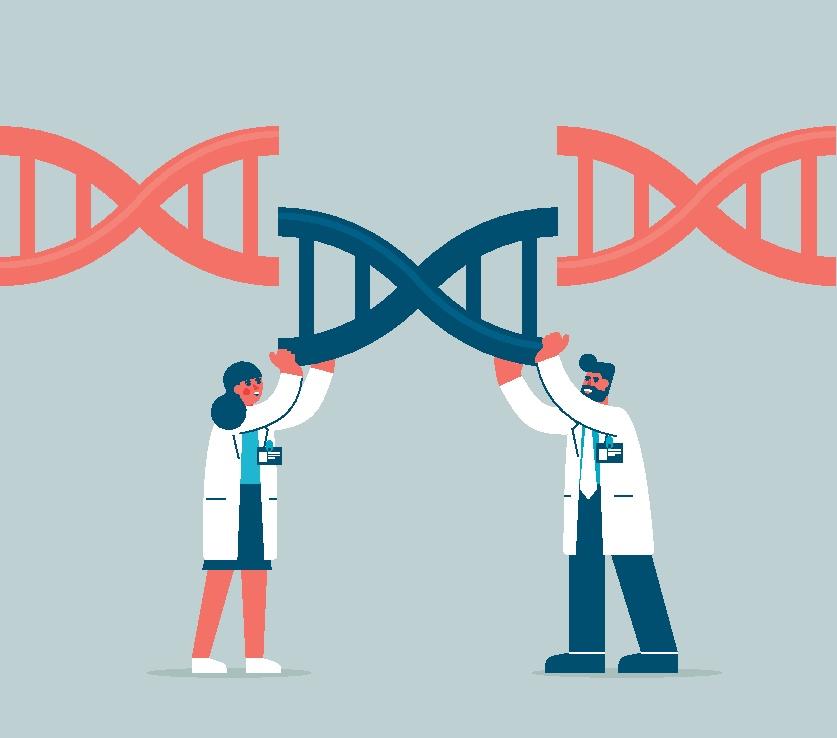
Gene Editing: A Promising Frontier in Biotechnology

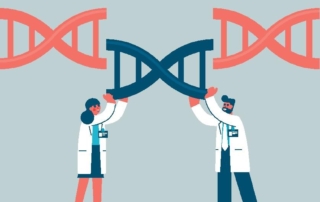
Gene editing technology is swiftly emerging as a transformative force in both healthcare and agriculture, particularly through tools like CRISPR-Cas9, which offer precise methods to modify genes and promise to revolutionize treatment for genetic disorders, cancer, and infectious diseases.

Empowering the Gig Economy: AXA’s Tailored Protection

Angela Wong, Chief Marketing and Customer Officer at AXA Hong Kong & Macau, underscores the critical need for comprehensive insurance solutions for gig workers.

By |November 24, 2024|Categories: Article, Business, Insurance|Tags: , |0 Comments

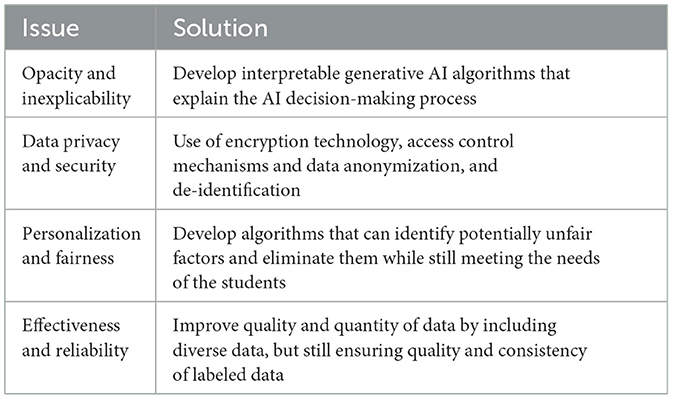
Ethical Deployment of AI in Healthcare: AMA’s Guiding Strategies

The AMA highlights that AI's integration must be guided by the fundamental principles of medical ethics: patient autonomy, beneficence, nonmaleficence, and justice.

By |November 24, 2024|Categories: Article, Healthcare, Technology Ethics|Tags: , |0 Comments

AI’s Role in Revolutionizing Medical Education

AI, which simulates human intelligence, is reshaping various sectors, particularly healthcare. The ability to perform complex tasks, such as diagnostics and personalized healthcare, is no longer confined to human capabilities alone.

By |November 23, 2024|Categories: Article, Education, Technology|Tags: , |0 Comments

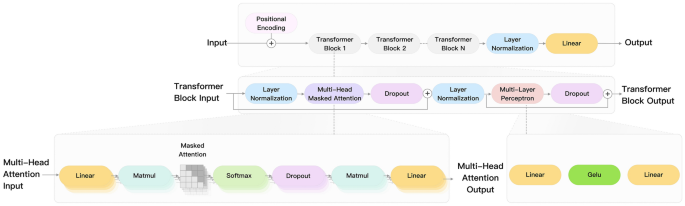
AI Chatbots in Chronic Disease Diagnosis

A recent study published in Nature on July 25, 2024, unveils a cutting-edge chatbot named Chat Ella, designed to assist in the diagnosis of chronic diseases.

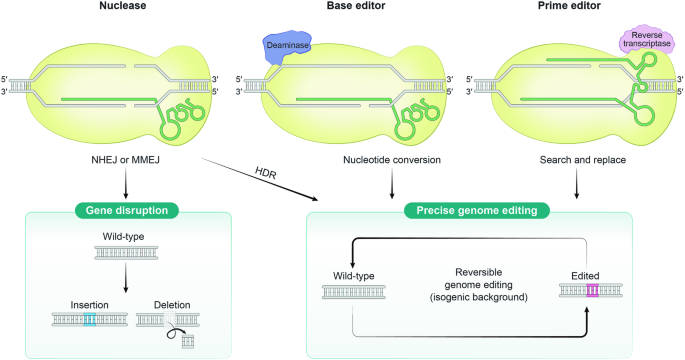
Revolutionizing Genetic Research with CRISPR-Cas Technology

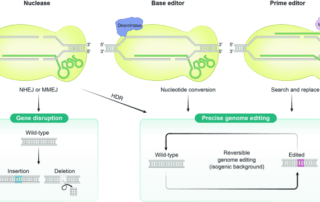
CRISPR-Cas technology is not just a tool but a gateway to understanding the genetic influences on diseases.