Understanding Privatization: Process, Benefits, and Real-World Examples
In the ever-evolving landscape of global economics, privatization stands as a pivotal mechanism reshaping the ownership of government-operated businesses, properties, and operations, transferring them into the hands of private entities. This transformation is not just a trend but a significant shift aimed at enhancing efficiency and profitability, as eloquently detailed in an Investopedia article published three weeks ago.
Privatization is a multifaceted process, often involving the transition of a publicly traded company into a privately held entity. This shift, known as corporate privatization, is designed to reduce bureaucratic overhead and increase operational efficiency by leveraging the motivations and skills inherent in the private sector.
Understanding the Privatization Process
The privatization journey is diverse, encompassing various methods by which governments transfer ownership of specific facilities or business processes to private, for-profit companies. The intention is clear: to save money and boost efficiency, a theme resonant across economies with distinct public and private sectors.
In the United States, the public sector includes entities like the U.S. Postal Service and public schools, while the private sector thrives in areas like consumer goods, finance, and technology. The delineation between these sectors underscores the strategic importance of privatization.
Public-to-Private vs. Corporate Privatization
Corporate privatization allows companies to restructure without the stringent oversight imposed on publicly listed entities. This flexibility is appealing when leadership seeks to implement changes that could negatively impact shareholders. A case in point is Dell Inc., which transitioned from public to private in 2013, only to revert to public status in 2018.
Pros and Cons of Privatization
Proponents of privatization argue that private companies are inherently more efficient and cost-effective, driven by a profit motive absent in government-run operations. However, critics caution against exposing essential services like electricity and water to market forces, advocating for public sector management to ensure equitable access.
Real-World Examples
Washington State’s 2012 decision to privatize liquor sales exemplifies the tangible impact of privatization. By enabling private entities like Costco and Walmart to sell liquor, the state relinquished control and revenue from these sales, illustrating a shift toward market-driven operations.
Similarly, the collapse of the Soviet Union marked a monumental shift from communism to privatization, leading to the concentration of wealth among a few wealthy Russians and highlighting the complex socio-economic ramifications of such transitions.
The Bottom Line
Privatization remains a powerful tool in the arsenal of economic strategies, capable of transforming government services and publicly traded companies alike. While it promises efficiency and profitability, the broader implications on society and market dynamics warrant careful consideration.
“`
More Articles
Getting licensed or staying ahead in your career can be a journey—but it doesn’t have to be overwhelming. Grab your favorite coffee or tea, take a moment to relax, and browse through our articles. Whether you’re just starting out or renewing your expertise, we’ve got tips, insights, and advice to keep you moving forward. Here’s to your success—one sip and one step at a time!
In Florida, the earnings of a real estate agent can vary significantly based on numerous factors including experience, location, and the current state of the housing market. The potential earnings are quite broad, with average salaries ranging from $40,000 to $90,000 per year. However, top-performing agents in high-demand areas can earn well above this range, sometimes exceeding $100,000 annually.
Screening prospective tenants who utilize Section 8 vouchers in Florida requires a thorough understanding of both federal and local laws to ensure compliance and avoid potential legal issues.
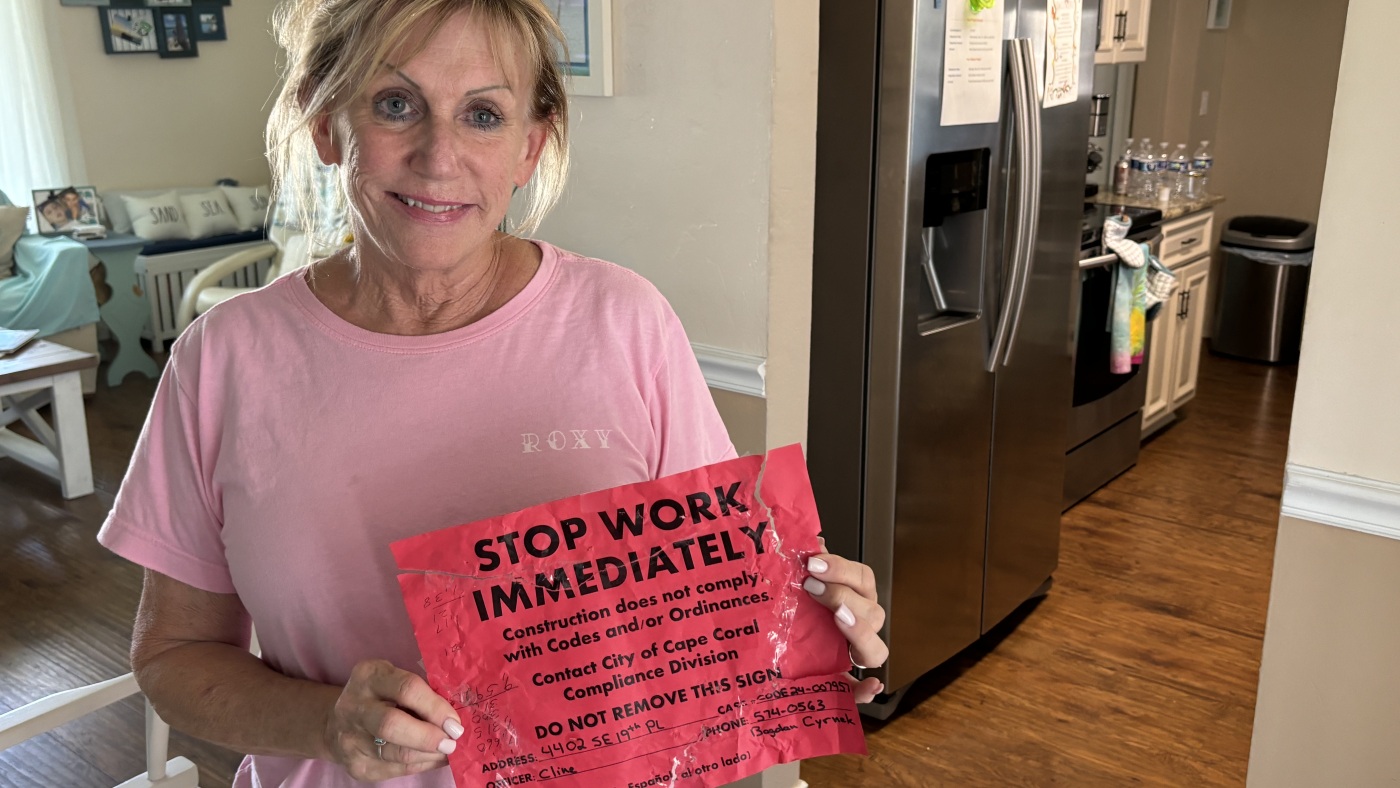
A study by First Street reveals Cape Coral has more properties at risk of flooding than any other city in Florida. Following Hurricane Ian, FEMA withdrew the city's flood insurance discount, blaming improper rebuilding practices.
Goldman Sachs Research has projected a notable increase in US home prices, forecasting a 4.5% rise this year and a 4.4% increase in 2025, as the Federal Reserve is expected to implement interest rate cuts.
In the realm of real estate, myths and misconceptions about Section 8 tenants often cloud the judgment of landlords. These stereotypes suggest that Section 8 tenants might damage property or fail to pay rent. However, these risks are inherent in renting to any tenant, not just those participating in the Section 8 program. The key to mitigating these risks lies in a robust and consistent screening process.

:max_bytes(150000):strip_icc()/privatization.asp-final-6d784cb82a86413b99c892a8618f2e75.jpg "Understanding Privatization: Process, Benefits, And Real-World Examples 2")