Understanding Privatization: Process, Benefits, and Real-World Examples
In the ever-evolving landscape of global economics, privatization stands as a pivotal mechanism reshaping the ownership of government-operated businesses, properties, and operations, transferring them into the hands of private entities. This transformation is not just a trend but a significant shift aimed at enhancing efficiency and profitability, as eloquently detailed in an Investopedia article published three weeks ago.
Privatization is a multifaceted process, often involving the transition of a publicly traded company into a privately held entity. This shift, known as corporate privatization, is designed to reduce bureaucratic overhead and increase operational efficiency by leveraging the motivations and skills inherent in the private sector.
Understanding the Privatization Process
The privatization journey is diverse, encompassing various methods by which governments transfer ownership of specific facilities or business processes to private, for-profit companies. The intention is clear: to save money and boost efficiency, a theme resonant across economies with distinct public and private sectors.
In the United States, the public sector includes entities like the U.S. Postal Service and public schools, while the private sector thrives in areas like consumer goods, finance, and technology. The delineation between these sectors underscores the strategic importance of privatization.
Public-to-Private vs. Corporate Privatization
Corporate privatization allows companies to restructure without the stringent oversight imposed on publicly listed entities. This flexibility is appealing when leadership seeks to implement changes that could negatively impact shareholders. A case in point is Dell Inc., which transitioned from public to private in 2013, only to revert to public status in 2018.
Pros and Cons of Privatization
Proponents of privatization argue that private companies are inherently more efficient and cost-effective, driven by a profit motive absent in government-run operations. However, critics caution against exposing essential services like electricity and water to market forces, advocating for public sector management to ensure equitable access.
Real-World Examples
Washington State’s 2012 decision to privatize liquor sales exemplifies the tangible impact of privatization. By enabling private entities like Costco and Walmart to sell liquor, the state relinquished control and revenue from these sales, illustrating a shift toward market-driven operations.
Similarly, the collapse of the Soviet Union marked a monumental shift from communism to privatization, leading to the concentration of wealth among a few wealthy Russians and highlighting the complex socio-economic ramifications of such transitions.
The Bottom Line
Privatization remains a powerful tool in the arsenal of economic strategies, capable of transforming government services and publicly traded companies alike. While it promises efficiency and profitability, the broader implications on society and market dynamics warrant careful consideration.
“`
More Articles
Getting licensed or staying ahead in your career can be a journey—but it doesn’t have to be overwhelming. Grab your favorite coffee or tea, take a moment to relax, and browse through our articles. Whether you’re just starting out or renewing your expertise, we’ve got tips, insights, and advice to keep you moving forward. Here’s to your success—one sip and one step at a time!
The title insurance industry is entering 2026 with a renewed focus on technology, operational efficiency, and stronger agent support after years of volatility. Leaders from major underwriters report rising transaction activity, improved affordability, and a surge in automation and fraud‑prevention tools—signs that smarter systems and better training will define the next wave of growth.
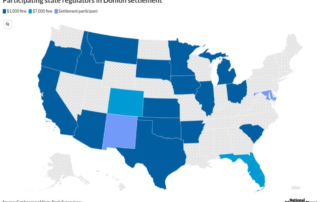
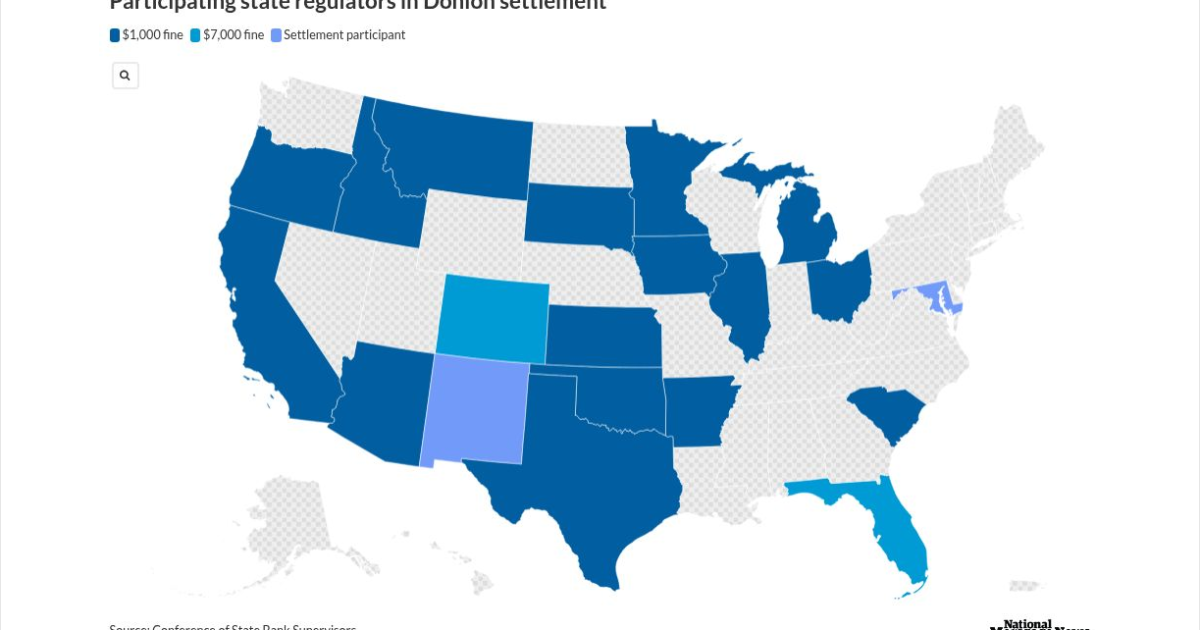
A multistate crackdown has sent shockwaves through the mortgage industry as Patrick Terrance Donlon, CEO of Trusted American Mortgage, accepted a sweeping settlement that bans him from working as a mortgage loan originator in 21 states—19 of them permanently. Regulators say Donlon had another individual complete his mandatory licensing and continuing‑education courses, a violation that triggered a coordinated investigation and a $31,000 penalty. The case underscores regulators’ growing intolerance for education fraud and serves as a sharp reminder to industry professionals: cutting corners on licensing can end careers.
Florida’s once‑booming housing market is cooling fast as rising insurance premiums, increasing foreclosures, and expanding flood zones push buyers to back out of deals and force sellers to cut prices. With insurance now adding thousands to annual housing costs, professionals across real estate, mortgage, and insurance are navigating a dramatically shifting landscape that’s redefining affordability in the Sunshine State.
Florida begins 2026 with a wave of more than 250 new laws now in effect, impacting healthcare, insurance, real estate, and consumer protections statewide. From free breast cancer screenings for state employees to tighter pet insurance regulations, mandatory healthcare refund rules, enhanced animal‑cruelty penalties, and new condo‑management requirements, these updates carry major implications for professionals navigating Florida’s evolving regulatory landscape.
Florida’s barrier islands may offer postcard-perfect beaches and soaring real estate demand, but they’re also some of the most fragile and costly places to build in the United States. With 765,000 residents living on land that shifts, sinks, and takes the brunt of every major hurricane, the financial and insurance risks are accelerating fast. From billion‑dollar beach rebuilds to towers settling into the sand, today’s coastal development challenges are reshaping conversations around property values, disclosure, and long‑term resilience. For real estate professionals, understanding these risks isn’t just smart — it’s becoming essential.
A Cedar City development is turning heads with its fresh approach to affordability. The team behind Temple View Commons is delivering luxury‑inspired twin homes at prices below the local median by using a small, hands‑on staff and cutting traditional costs like realtor commissions. In a tight Utah housing market where inventory is scarce and prices remain high, their strategy offers a realistic path to homeownership without sacrificing high‑end finishes.

:max_bytes(150000):strip_icc()/privatization.asp-final-6d784cb82a86413b99c892a8618f2e75.jpg "Understanding Privatization: Process, Benefits, And Real-World Examples 2")
 Title Insurance Leaders Double Down on Tech and Efficiency to Drive 2026 Market Momentum Gallery