Understanding Real ID in Michigan: Your Comprehensive Guide
As the clock ticks towards the May 7, 2025 deadline, Michigan residents are urged to ensure their licenses are Real ID compliant. According to a detailed report by the Detroit Free Press, over 150,000 residents have already made the necessary updates to their identification. This initiative is part of a broader federal act introduced post-9/11 to enhance security protocols across the nation.
What is Real ID?
Real ID is a program established by Congress in 2005 to set “minimum security standards” for identification materials, including driver’s licenses. These standards were developed in response to the September 11, 2001, terrorist attacks, as outlined by the 9/11 Commission. The act mandates the inclusion of features that prevent illegal copying or altering of identification cards.
How to Identify a Real ID
In Michigan, there are two forms of Real ID compliant licenses. The older design features a star in a gold circle, while the newer design includes a star in a silhouette of Michigan. Both are valid and meet federal requirements.
Is Real ID Mandatory?
While not mandatory, having a Real ID is crucial for domestic air travel and accessing certain federal facilities. Without it, individuals may face restrictions.
Real ID vs. Enhanced ID
It’s important to understand the distinction between a Real ID and an Enhanced ID. Enhanced IDs can be used instead of a U.S. passport for land or sea travel to Canada, Mexico, Bermuda, or the Caribbean. They are marked with a U.S. flag icon and the title “ENHANCED DRIVER’S LICENSE.”
What If You Don’t Have a Real ID?
Failure to secure a Real ID by the deadline could mean being turned away at airport security checkpoints. The TSA may allow you to complete an identity verification process, but this is not guaranteed to be a swift or simple process.
Obtaining a Real ID in Michigan
Residents can upgrade to a Real ID by visiting their local Michigan Secretary of State branch office. Necessary documents include a current Michigan driver’s license or ID, a valid U.S. passport or birth certificate, and any certified legal name-change documents if applicable.
Real ID Alternatives
Several alternatives to a Real ID are recognized, including a U.S. passport, passport card, and DHS trusted traveler cards like Global Entry. For a complete list of alternatives, visit the Detroit Free Press article.
Final Thoughts
As the deadline approaches, Michigan residents are encouraged to act promptly to avoid complications. For more detailed guidance and updates, refer to the original article on the Detroit Free Press website.
More Articles
Getting licensed or staying ahead in your career can be a journey—but it doesn’t have to be overwhelming. Grab your favorite coffee or tea, take a moment to relax, and browse through our articles. Whether you’re just starting out or renewing your expertise, we’ve got tips, insights, and advice to keep you moving forward. Here’s to your success—one sip and one step at a time!
Florida homeowners — especially in hard‑hit South Florida — are set to see rare and substantial reductions in their property insurance premiums. Gov. Ron DeSantis announced an average statewide Citizens Insurance decrease of 8.7%, with even larger savings of up to 14% in counties like Miami-Dade, Broward, and Palm Beach. State officials credit recent legal and regulatory reforms for stabilizing the market, attracting new insurers, and delivering the first meaningful rate relief Floridians have seen in years.
Tampa’s commercial real estate market isn’t slowing—it’s maturing. With strong population growth, rising office demand, a normalized industrial sector, resurgent retail, and an emerging health‑care real estate boom, investors are shifting from speed to strategy. Tighter underwriting, cautious capital and increased due‑diligence are shaping a more disciplined market, creating new opportunities for informed professionals.
Florida homeowners are finally seeing relief as Citizens Property Insurance announces a major 8.7% average rate decrease—far larger than originally proposed. Driven by legislative reforms, fewer lawsuits, and a calm hurricane season, the state’s once‑unstable insurance market is showing real signs of recovery. But with reduced coverage limits and shifting legal protections, experts warn that lower premiums may come with hidden trade‑offs.
After a decade of rising premiums and retreating carriers, Florida homeowners are finally seeing long‑awaited relief. Dozens of insurers have filed for rate decreases—some as high as 11%—thanks to legislative reforms and a stabilizing market. Early approvals are already hitting counties across the state, and experts say the momentum could boost buyer confidence, affordability, and competition throughout Florida’s real estate and insurance sectors.
After years of slowed activity caused by rising interest rates, the self‑storage industry is heating up again. New data from Marcus & Millichap shows a fresh market cycle emerging, driven by renewed buyer confidence, recalibrated pricing, and stronger lender participation. Acquisitions are rebounding, development is resetting in a healthier direction, and financing conditions are improving—creating one of the most promising investment landscapes the sector has seen in years.
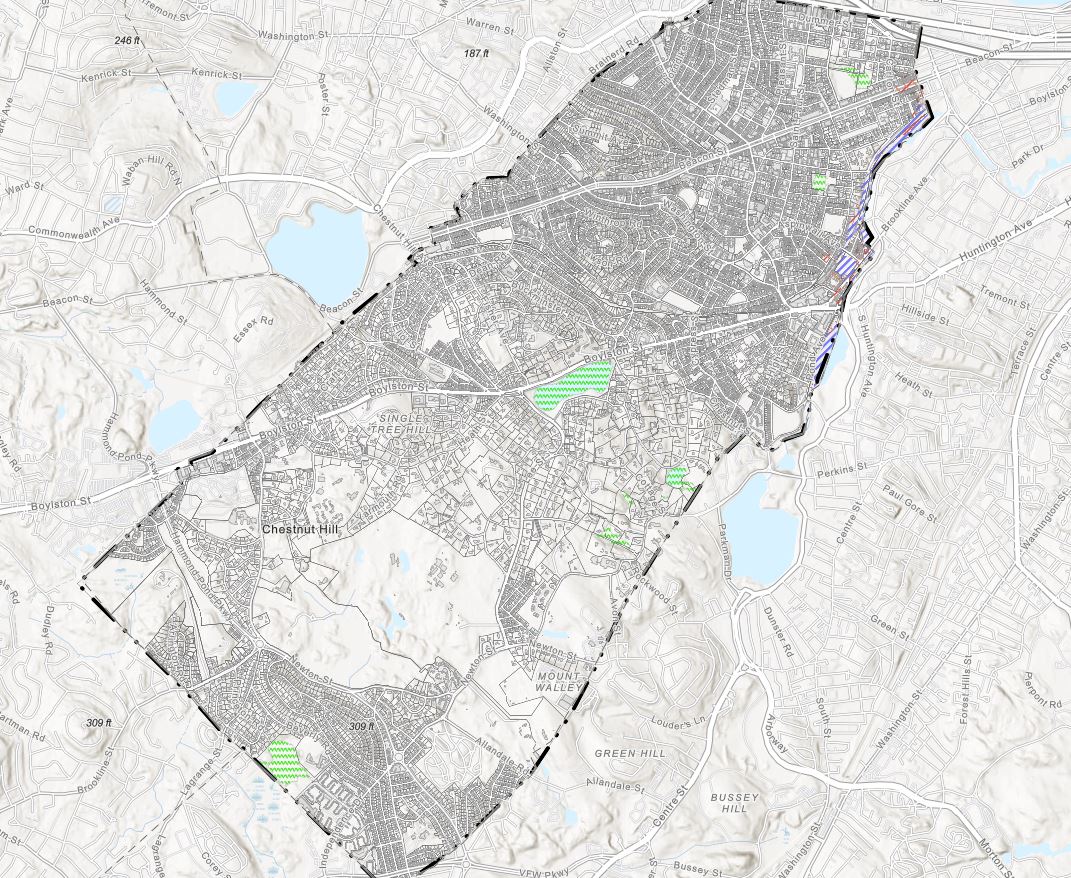
Brookline’s newly updated FEMA flood maps identify 97 high‑risk parcels, but local experts warn the true threat is far greater. While FEMA highlights river‑based flooding around Leverett Pond and the Muddy River, alternative models show more than 1,300 Brookline properties at risk within 30 years. Hidden vulnerabilities along major corridors like Beacon Street, rising rainfall intensity, aging infrastructure, and climate‑driven storm patterns suggest that many “low‑risk” areas may be anything but safe.