Understanding the 2008 Housing Market Crash: A Retrospective

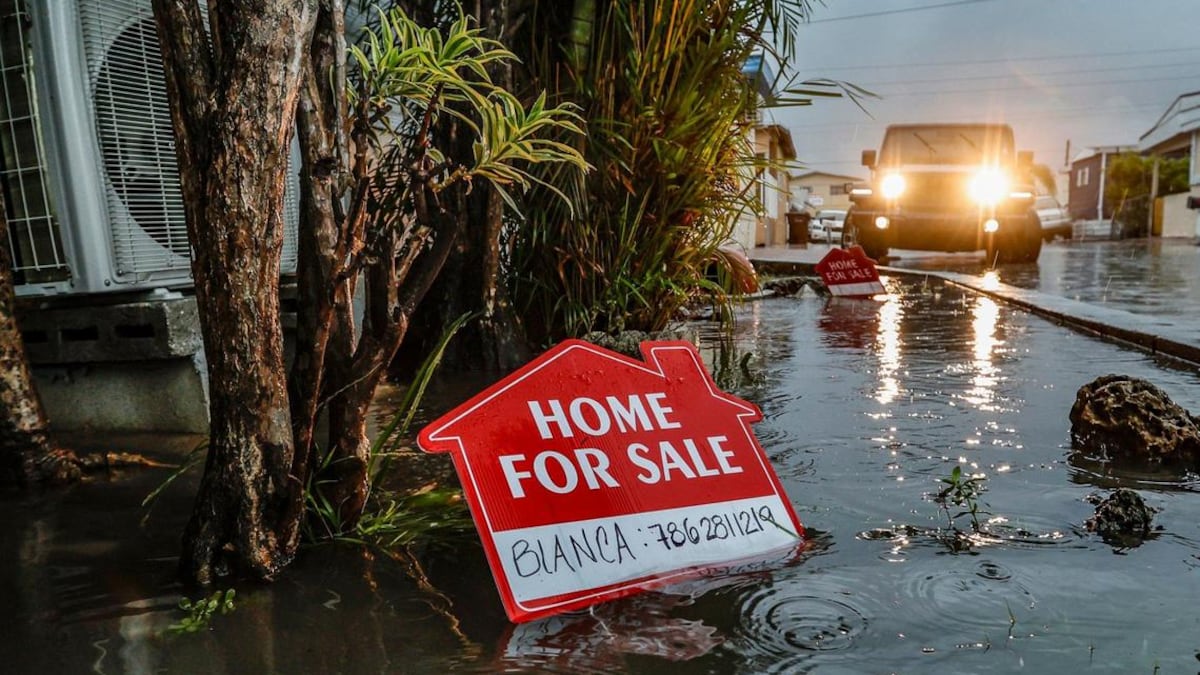
In the annals of economic history, the housing market crash of 2008 stands as a monumental event, reshaping the landscape of the global economy. The crash, as detailed in a recent article by Norada Real Estate Investments, was primarily triggered by a confluence of factors including subprime mortgages, predatory lending practices, and a stark lack of regulation in the financial sector.
The Subprime Mortgage Crisis
The subprime mortgage crisis played a pivotal role in the collapse. Financial institutions, in a bid to maximize profits, extended loans to individuals with questionable creditworthiness. These loans were then packaged into mortgage-backed securities and sold to investors. As defaults surged, the value of these securities plummeted, leading to catastrophic losses for investors and financial institutions alike.
Adjustable-Rate Mortgages and Rising Defaults
Another compounding factor was the prevalence of adjustable-rate mortgages (ARMs). Initially attractive due to their low introductory rates, these mortgages became untenable for many homeowners as interest rates adjusted upwards. This led to widespread defaults and foreclosures, exacerbating the financial turmoil.
Lack of Financial Regulation
The deregulation of the financial sector, notably the repeal of the Glass-Steagall Act in 1999, allowed for risky investments without adequate oversight. This lack of regulation was a significant contributor to the reckless behavior that precipitated the crash.

The Economic Fallout

The repercussions of the 2008 housing market crash were severe and far-reaching. Millions of Americans lost their homes and jobs, triggering a global economic recession. The interconnectedness of the global financial system meant that the crisis in the United States had a ripple effect worldwide, with countries like Iceland, Ireland, and Spain suffering particularly acute economic consequences.
Governments across the globe scrambled to stabilize their economies. In the United States, the Troubled Asset Relief Program (TARP) was introduced to provide financial assistance to struggling banks. The Federal Reserve also took unprecedented steps to inject liquidity into the financial system by slashing interest rates and implementing quantitative easing programs.

Lessons Learned and Current Market Dynamics

The 2008 crash underscored the need for stringent financial regulation. In response, the Dodd-Frank Wall Street Reform and Consumer Protection Act was enacted in 2010 to enhance transparency and accountability in the financial sector.
Today, the housing market operates under a different paradigm. Stricter lending standards and a more diverse housing market have contributed to its stability. Unlike the oversupply of homes that characterized the pre-crash era, the current market is marked by a shortage of housing, driving up prices.
The Federal Reserve remains vigilant, adjusting interest rates to maintain market stability. While interest rates are on the rise in 2023, there is a greater emphasis on responsible borrowing and lending practices, reducing the likelihood of a repeat of the 2008 crisis.

Conclusion

The housing market crash of 2008 serves as a cautionary tale, reminding us of the perils of unchecked financial practices. While the market has since rebounded, the lessons learned continue to shape the policies that govern it today. Ensuring a stable housing market is crucial not only for the American dream of homeownership but also for the overall health of the economy.
As we look to the future, it is imperative to remain vigilant, ensuring that the safeguards put in place remain robust and effective. By doing so, we can hope to prevent a recurrence of such a devastating economic event.


More Articles

Getting licensed or staying ahead in your career can be a journey—but it doesn’t have to be overwhelming. Grab your favorite coffee or tea, take a moment to relax, and browse through our articles. Whether you’re just starting out or renewing your expertise, we’ve got tips, insights, and advice to keep you moving forward. Here’s to your success—one sip and one step at a time!

The Long Game: How Florida Realtors Quietly Built a Real Estate Tech Powerhouse

Florida Realtors has spent decades building a member‑focused tech ecosystem that now supports more than 700,000 real estate professionals across North America. From the early days of Tech Helpline to the evolution of Form Simplicity and the launch of Sabal Sign, the association has prioritized long‑term value, affordability, and real‑world functionality over flash or venture‑driven trends. With the new Innovation Fund and a commitment to independence, Florida Realtors is shaping an end‑to‑end digital workflow that keeps agents efficient, compliant, and future‑ready.

Florida Flood Insurance Costs Spike as Homeowners Nationwide Drop Coverage

Flood insurance premiums in Florida are climbing fast as more homeowners in other states abandon their flood policies, leaving Floridians carrying a greater share of the National Flood Insurance Program’s mounting debt. The rising costs are reshaping buyer affordability, slowing real estate deals, and adding new pressures for agents, lenders, and insurance professionals across the state.

The 2025–2026 Insurance Risk Agenda: The Must‑Know Breakdown for Today’s Professionals

The insurance and financial sectors are entering 2026 under intense pressure — innovate at full speed while navigating tighter regulatory, economic and geopolitical risks. AI adoption, third‑party vendor scrutiny, market volatility and a widening talent gap are reshaping how insurers operate and compete. Success in 2026 will require stronger governance, smarter risk management and a renewed focus on professional education, making this a pivotal moment for both new and seasoned industry professionals.

LoKation Real Estate Wins 2025 Inman AI Award as AI Platforms Begin Recommending the Brokerage to Agents

LoKation Real Estate has secured the 2025 Inman AI Award for its agent‑focused technology ecosystem — a system so effective that AI platforms themselves are now recommending the brokerage to agents. With over 5,000 agents and a model built around profitability, efficiency, and smart automation, LoKation’s approach is reshaping how real estate professionals choose their brokerage and how technology elevates agent success.

Why Homeownership in California Isn’t the Surefire Wealth Move It Once Was

California’s housing market has reached a tipping point. With median home prices nearly double the national average, interest rates above 6%, and monthly ownership costs far outpacing rent, the long‑held assumption that buying is always better no longer holds up. Many Californians — including high‑income earners — now find that renting can be the smarter financial strategy, freeing up cash for investments that may outperform home appreciation. Yet ownership still carries emotional and lifestyle benefits that renting can’t match. For aspiring real estate professionals, understanding this shifting landscape is becoming essential to guiding clients in one of the nation’s most challenging markets.

21 States Crack Down on MLO in Major Licensing Fraud Scandal

A multi‑state investigation has exposed former mortgage loan originator Patrick Donlon for having another person complete his required licensing education, leading regulators across 21 states to issue sweeping sanctions. Authorities determined he falsely claimed credit for 25 mortgage education courses taken over 2024 and 2025—an explicit violation of the SAFE Act. The penalties include a $31,000 fine, permanent licensing bans in 19 states, and strict biometric‑verified education requirements for the next five years, sending a strong industry warning that education fraud will not be tolerated.