Understanding the 2008 Housing Market Crash: A Retrospective

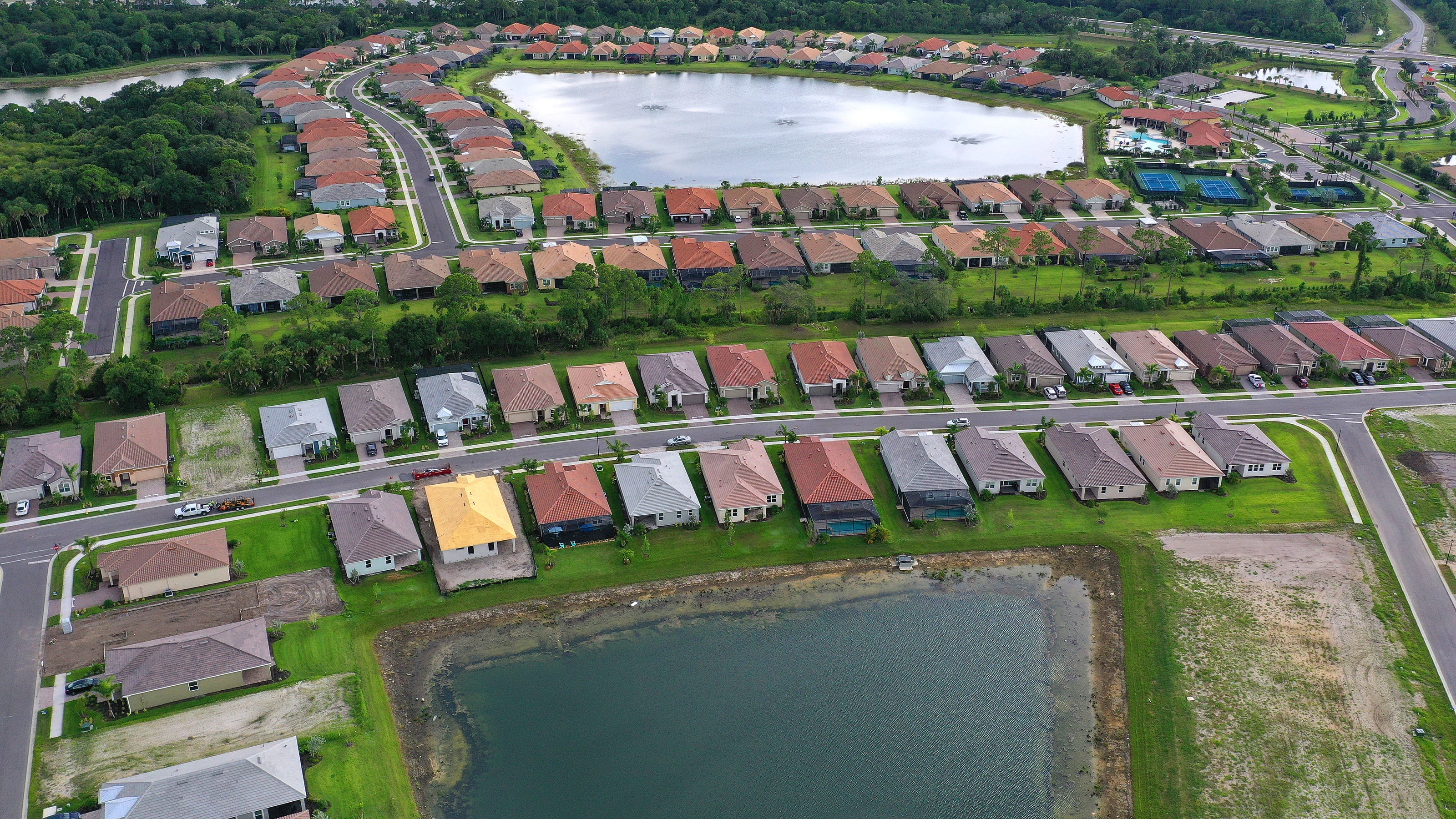
In the annals of economic history, the housing market crash of 2008 stands as a monumental event, reshaping the landscape of the global economy. The crash, as detailed in a recent article by Norada Real Estate Investments, was primarily triggered by a confluence of factors including subprime mortgages, predatory lending practices, and a stark lack of regulation in the financial sector.
The Subprime Mortgage Crisis
The subprime mortgage crisis played a pivotal role in the collapse. Financial institutions, in a bid to maximize profits, extended loans to individuals with questionable creditworthiness. These loans were then packaged into mortgage-backed securities and sold to investors. As defaults surged, the value of these securities plummeted, leading to catastrophic losses for investors and financial institutions alike.
Adjustable-Rate Mortgages and Rising Defaults
Another compounding factor was the prevalence of adjustable-rate mortgages (ARMs). Initially attractive due to their low introductory rates, these mortgages became untenable for many homeowners as interest rates adjusted upwards. This led to widespread defaults and foreclosures, exacerbating the financial turmoil.
Lack of Financial Regulation
The deregulation of the financial sector, notably the repeal of the Glass-Steagall Act in 1999, allowed for risky investments without adequate oversight. This lack of regulation was a significant contributor to the reckless behavior that precipitated the crash.

The Economic Fallout

The repercussions of the 2008 housing market crash were severe and far-reaching. Millions of Americans lost their homes and jobs, triggering a global economic recession. The interconnectedness of the global financial system meant that the crisis in the United States had a ripple effect worldwide, with countries like Iceland, Ireland, and Spain suffering particularly acute economic consequences.
Governments across the globe scrambled to stabilize their economies. In the United States, the Troubled Asset Relief Program (TARP) was introduced to provide financial assistance to struggling banks. The Federal Reserve also took unprecedented steps to inject liquidity into the financial system by slashing interest rates and implementing quantitative easing programs.

Lessons Learned and Current Market Dynamics

The 2008 crash underscored the need for stringent financial regulation. In response, the Dodd-Frank Wall Street Reform and Consumer Protection Act was enacted in 2010 to enhance transparency and accountability in the financial sector.
Today, the housing market operates under a different paradigm. Stricter lending standards and a more diverse housing market have contributed to its stability. Unlike the oversupply of homes that characterized the pre-crash era, the current market is marked by a shortage of housing, driving up prices.
The Federal Reserve remains vigilant, adjusting interest rates to maintain market stability. While interest rates are on the rise in 2023, there is a greater emphasis on responsible borrowing and lending practices, reducing the likelihood of a repeat of the 2008 crisis.

Conclusion

The housing market crash of 2008 serves as a cautionary tale, reminding us of the perils of unchecked financial practices. While the market has since rebounded, the lessons learned continue to shape the policies that govern it today. Ensuring a stable housing market is crucial not only for the American dream of homeownership but also for the overall health of the economy.
As we look to the future, it is imperative to remain vigilant, ensuring that the safeguards put in place remain robust and effective. By doing so, we can hope to prevent a recurrence of such a devastating economic event.


More Articles

Getting licensed or staying ahead in your career can be a journey—but it doesn’t have to be overwhelming. Grab your favorite coffee or tea, take a moment to relax, and browse through our articles. Whether you’re just starting out or renewing your expertise, we’ve got tips, insights, and advice to keep you moving forward. Here’s to your success—one sip and one step at a time!

A New Blueprint for True Florida Affordability: Jayden D’Onofrio Pushes for Real Relief in 2026

Florida families are feeling the squeeze as everyday costs, insurance premiums, and homeownership barriers continue to climb. House District 102 candidate Jayden D’Onofrio is calling for a broader, more unified affordability strategy—one that tackles the state’s insurance crisis, supports first‑time homebuyers, and restores real competition in the market. His message centers on transparency, practical solutions, and keeping Florida livable for the professionals, workers, and families who power its economy.

Health Insurance Shake‑Up: America’s Coverage Markets Enter a New Era

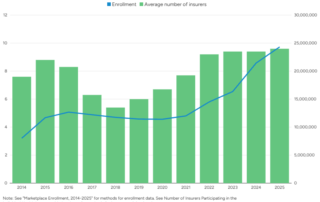
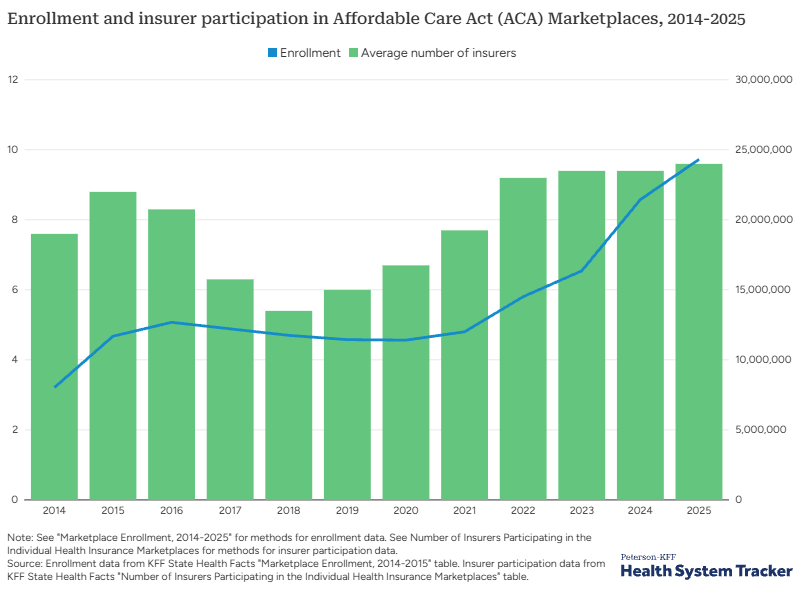
A decade of dramatic change is reshaping America’s health insurance markets. Employer group plans are becoming increasingly dominated by a few powerful insurers, while the ACA individual marketplace is experiencing record‑breaking competition and enrollment. Self‑funded plans are surging, small‑group premiums are driving employers to new coverage models, and major policy shifts in 2025 could redefine affordability for millions. This data‑driven Peterson‑KFF analysis breaks down the trends every insurance, finance, and business professional needs to understand as the industry enters a transformative new era.

Florida’s Next Mega‑Development: Winchester Ranch Set to Transform North Port

Sarasota County is inching closer to approving Winchester Ranch, a massive 8,999‑home community planned for more than 3,100 acres in North Port. With a 7‑1 vote from the Planning Commission and a final decision expected in early 2026, the project could become one of Southwest Florida’s largest developments in decades—bringing new housing, commercial space, and industry while raising fresh questions about growth, the environment, and the region’s rapidly evolving real estate market.

Lument Finance Trust Closes $664 Million CRE CLO, Signaling Strength in 2025 Markets

Lument Finance Trust has closed a major $663.8 million commercial real estate CLO, marking one of the standout CRE finance deals of 2025. The transaction, LMNT 2025-FL3, features a strong reinvestment period, non‑recourse and non‑mark‑to‑market financing, and a diversified pool of 32 loans tied to 49 properties nationwide. With J.P. Morgan leading the structuring and more than $585 million placed in investment‑grade securities, the deal highlights renewed stability in transitional CRE debt—making it a development real estate and finance professionals will want to watch closely.

Walmart Launches America’s Largest 3D‑Printed Commercial Building Initiative

Walmart has partnered with Alquist 3D to roll out the nation’s first large‑scale wave of 3D‑printed commercial buildings, signaling a major shift in how future retail and industrial spaces will be constructed. After completing an 8,000‑square‑foot 3D‑printed expansion in Tennessee—the largest of its kind—the company is moving forward with over a dozen new projects nationwide, accelerating a tech‑driven transformation in commercial real estate.

Citizens Insurance Proposes 2026 Rate Cuts, Signaling Relief for Florida’s Property Market

Citizens Property Insurance Corp. is recommending statewide rate reductions for 2026—the first proposed decrease in more than a decade. Most Citizens policyholders could see an average 11.5% drop, reflecting recent insurance‑market reforms that have stabilized Florida’s turbulent property sector. With hundreds of thousands of policies moving back to private insurers and state‑backed Citizens shrinking to record‑low enrollment, real estate and insurance professionals should prepare for how lower premiums may influence affordability, buyer confidence, and market activity heading into 2026.