Understanding the 2008 Housing Market Crash: A Retrospective

In the annals of economic history, the housing market crash of 2008 stands as a monumental event, reshaping the landscape of the global economy. The crash, as detailed in a recent article by Norada Real Estate Investments, was primarily triggered by a confluence of factors including subprime mortgages, predatory lending practices, and a stark lack of regulation in the financial sector.
The Subprime Mortgage Crisis
The subprime mortgage crisis played a pivotal role in the collapse. Financial institutions, in a bid to maximize profits, extended loans to individuals with questionable creditworthiness. These loans were then packaged into mortgage-backed securities and sold to investors. As defaults surged, the value of these securities plummeted, leading to catastrophic losses for investors and financial institutions alike.
Adjustable-Rate Mortgages and Rising Defaults
Another compounding factor was the prevalence of adjustable-rate mortgages (ARMs). Initially attractive due to their low introductory rates, these mortgages became untenable for many homeowners as interest rates adjusted upwards. This led to widespread defaults and foreclosures, exacerbating the financial turmoil.
Lack of Financial Regulation
The deregulation of the financial sector, notably the repeal of the Glass-Steagall Act in 1999, allowed for risky investments without adequate oversight. This lack of regulation was a significant contributor to the reckless behavior that precipitated the crash.

The Economic Fallout

The repercussions of the 2008 housing market crash were severe and far-reaching. Millions of Americans lost their homes and jobs, triggering a global economic recession. The interconnectedness of the global financial system meant that the crisis in the United States had a ripple effect worldwide, with countries like Iceland, Ireland, and Spain suffering particularly acute economic consequences.
Governments across the globe scrambled to stabilize their economies. In the United States, the Troubled Asset Relief Program (TARP) was introduced to provide financial assistance to struggling banks. The Federal Reserve also took unprecedented steps to inject liquidity into the financial system by slashing interest rates and implementing quantitative easing programs.

Lessons Learned and Current Market Dynamics

The 2008 crash underscored the need for stringent financial regulation. In response, the Dodd-Frank Wall Street Reform and Consumer Protection Act was enacted in 2010 to enhance transparency and accountability in the financial sector.
Today, the housing market operates under a different paradigm. Stricter lending standards and a more diverse housing market have contributed to its stability. Unlike the oversupply of homes that characterized the pre-crash era, the current market is marked by a shortage of housing, driving up prices.
The Federal Reserve remains vigilant, adjusting interest rates to maintain market stability. While interest rates are on the rise in 2023, there is a greater emphasis on responsible borrowing and lending practices, reducing the likelihood of a repeat of the 2008 crisis.

Conclusion

The housing market crash of 2008 serves as a cautionary tale, reminding us of the perils of unchecked financial practices. While the market has since rebounded, the lessons learned continue to shape the policies that govern it today. Ensuring a stable housing market is crucial not only for the American dream of homeownership but also for the overall health of the economy.
As we look to the future, it is imperative to remain vigilant, ensuring that the safeguards put in place remain robust and effective. By doing so, we can hope to prevent a recurrence of such a devastating economic event.


More Articles

Getting licensed or staying ahead in your career can be a journey—but it doesn’t have to be overwhelming. Grab your favorite coffee or tea, take a moment to relax, and browse through our articles. Whether you’re just starting out or renewing your expertise, we’ve got tips, insights, and advice to keep you moving forward. Here’s to your success—one sip and one step at a time!

Malware Trends 2025: The New Era of Subscription‑Based Cybercrime

Cybercrime in 2025 has evolved into a full‑scale service economy, with malware now available through subscription platforms that operate like mainstream tech businesses. Bitsight’s latest analysis reveals explosive growth in Malware‑as‑a‑Service tools, rising attacks across industries like healthcare, finance, tech, and real estate, and a surge in cross‑platform malware and supply‑chain exploits. For professionals in any licensed field, the message is clear: today’s digital landscape demands heightened vigilance, stronger identity security, and proactive defense against an increasingly organized underground threat environment.

The Proptech Revolution: How Gllit Is Making Real Estate Transactions as Simple as Booking a Flight

A new proptech startup in the UAE, Gllit is redefining how property deals happen by removing agents, eliminating commissions, and integrating AI tools that let users create professional listings in seconds. With a fast, transparent, and direct-to-owner model, Gllit offers a glimpse into the future of global real estate — and a powerful case study for U.S. professionals preparing for tech-driven changes in the industry.

2026 Housing Market Outlook: What Buyers, Renters, and Agents Need to Know

The 2026 housing market is shaping up to be a year of stability with a few surprises. Mortgage rates are expected to hold steady, home price growth is slowing, and yet ownership costs continue to rise due to soaring taxes and insurance. Meanwhile, renting is becoming more attractive as affordability improves and built‑to‑rent communities expand. This breakdown highlights the biggest trends ahead — and what they mean for buyers, sellers, and real estate professionals, especially in Florida.

Florida Homeowners Slammed by Soaring Insurance Costs as Lawmakers Push for Major Reform

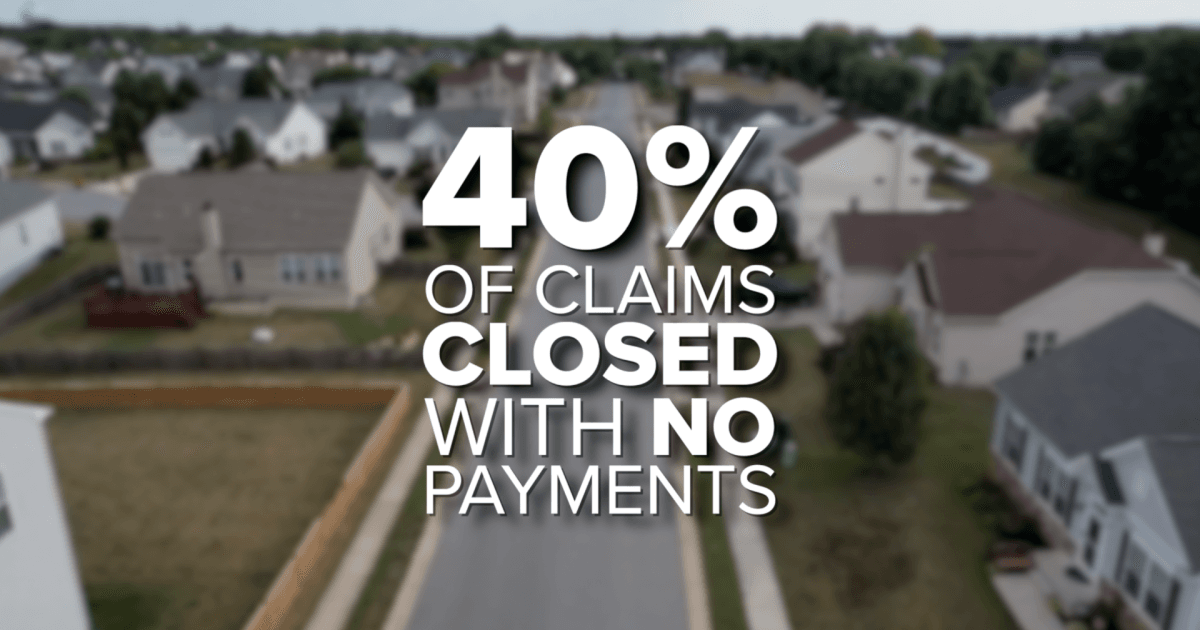
Florida homeowners are facing some of the highest insurance premiums in the nation, with average costs now topping $5,800 per year—about $3,000 above the U.S. average. Many residents report their rates have doubled or even tripled, while more than 40 percent of claims are closed with no payment. As frustration grows, state lawmakers and consumer advocates are pushing for transparency, rate caps, and incentives to help storm‑proof homes. The outcome of these reform efforts could reshape Florida’s real estate market, insurance landscape, and affordability for years to come.

Are Insurance Leaders Stuck in Silos? New Global Study Exposes a Hidden Weakness in Decision‑Making

A new global study from Risk.net and SAS reveals that many insurance companies are still making key decisions in isolated silos, despite industry-wide pushes toward data-driven strategies. While most leaders claim to have a clear vision, 38 percent admit they lack a real-time view of risks, revenue and costs. With poor data quality, limited collaboration and outdated processes holding teams back, experts say the industry is poised for a major transformation through AI, analytics and unified strategy—offering lessons for professionals across insurance, real estate, finance and other regulated fields.

Atlanta Housing Market Outlook 2025–2026: Stability, Rising Inventory, and What It Means for You

Atlanta’s housing market is shifting into a more balanced and predictable phase. Prices have leveled off, inventory has finally caught up, and mortgage rates are easing enough to bring buyers back into the game. With steady demand, growing listings, and only mild price corrections forecasted into 2026, Atlanta remains one of the Southeast’s strongest real estate markets for buyers, sellers, and investors alike.