Understanding the Future of the U.S. Housing Market
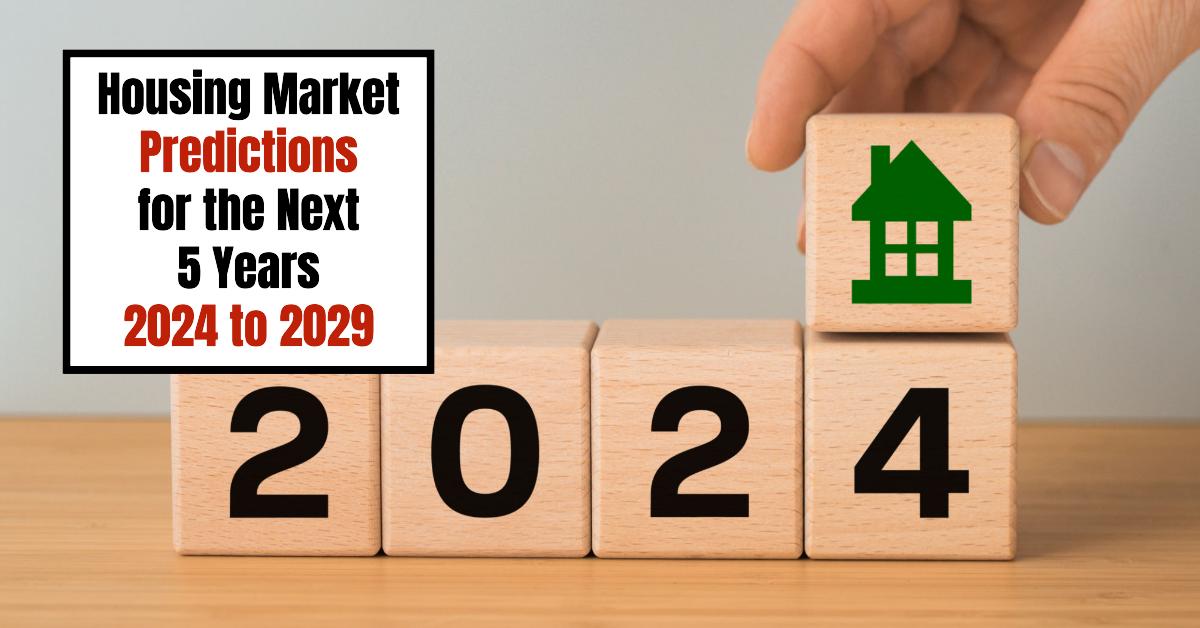
The U.S. housing market is poised for a significant transformation over the next five years, according to a recent article from Norada Real Estate Investments. As we navigate through 2025 to 2029, several key trends and predictions will shape the market landscape.
Price Trends and Market Stability
In the coming years, the housing market is expected to experience a slowdown, with home prices remaining flat or experiencing a modest decline. This trend reflects a shift towards a more stable market, where the rapid price increases of recent years will ease. According to Zillow’s latest forecast, home values are projected to rise by a modest 1.8% nationally in 2024, suggesting a trend of stability.
Mortgage Rates and Affordability
Mortgage rates, a critical factor in the housing market, are anticipated to remain stable in the near future. The Federal Reserve’s efforts to combat inflation have led to higher interest rates, but a gradual decline is expected, potentially spurring renewed demand in the housing market. This decrease in rates, coupled with income growth, is likely to improve affordability for prospective buyers.
Supply and Demand Dynamics
The housing market is also expected to see an increase in the supply of homes. The previous shortage of available homes, which drove prices up, is anticipated to ease as more homes are built and listed for sale. This increase in supply could help alleviate market competition and stabilize prices.
Looking Ahead: 2025 and Beyond
By 2025, the market is expected to pick up again, with home prices rising modestly by 1% to 2% above the current inflation rate. This growth will be driven by factors such as real income increases and lower mortgage rates. Additionally, technological advancements in construction, such as 3D printing, are likely to improve building quality and speed up timelines.
Long-term Predictions: 2026 to 2029
In the latter part of the decade, the housing market is projected to continue its upward trend, with a gradual increase in home prices. The demand for housing is expected to shift towards suburban and rural areas, driven by changing demographics and a desire for more space. Technological innovations will continue to reshape the buying process, offering greater transparency and efficiency.
Conclusion
The U.S. housing market is set to undergo significant changes over the next five years, influenced by a combination of economic factors, technological advancements, and evolving consumer preferences. As we move forward, stakeholders must stay informed about these trends to make strategic decisions.
References:
Getting licensed or staying ahead in your career can be a journey—but it doesn’t have to be overwhelming. Grab your favorite coffee or tea, take a moment to relax, and browse through our articles. Whether you’re just starting out or renewing your expertise, we’ve got tips, insights, and advice to keep you moving forward. Here’s to your success—one sip and one step at a time!
"Remote work has redefined what homebuyers seek in a property. The demand for larger living spaces has surged as individuals prioritize homes that can accommodate both living and working activities."
Extreme weather events are expected to become more common, affecting real-estate asset values through higher insurance premiums and disruption costs. Despite this, the risk is not yet adequately priced into transaction yields.
Generative AI (GenAI) is emerging as a transformative force, poised to revolutionize real estate operations by automating and optimizing functions such as property operations and asset management with unprecedented insights and efficiency gains.
Almal Real Estate, known for its innovative approaches in the real estate sector, is now setting its sights on international markets, including the UAE, Bali, and Thailand. This expansion is part of a broader strategy to diversify its portfolio and tap into the lucrative commercial real estate sector.
The commercial real estate sector is poised for significant transformation as we move into 2025. This evolution is driven by a confluence of economic shifts, demographic changes, and technological advancements, creating both challenges and opportunities for stakeholders in the industry.
The introduction of a national guidance framework for Global Capability Centres (GCCs) is set to bolster the sector significantly, particularly in tier-II and tier-III cities.