
Understanding the Future of the U.S. Housing Market

The U.S. housing market is poised for a significant transformation over the next five years, according to a recent article from Norada Real Estate Investments. As we navigate through 2025 to 2029, several key trends and predictions will shape the market landscape.

Price Trends and Market Stability

In the coming years, the housing market is expected to experience a slowdown, with home prices remaining flat or experiencing a modest decline. This trend reflects a shift towards a more stable market, where the rapid price increases of recent years will ease. According to Zillow’s latest forecast, home values are projected to rise by a modest 1.8% nationally in 2024, suggesting a trend of stability.

Mortgage Rates and Affordability

Mortgage rates, a critical factor in the housing market, are anticipated to remain stable in the near future. The Federal Reserve’s efforts to combat inflation have led to higher interest rates, but a gradual decline is expected, potentially spurring renewed demand in the housing market. This decrease in rates, coupled with income growth, is likely to improve affordability for prospective buyers.

Supply and Demand Dynamics

The housing market is also expected to see an increase in the supply of homes. The previous shortage of available homes, which drove prices up, is anticipated to ease as more homes are built and listed for sale. This increase in supply could help alleviate market competition and stabilize prices.

Looking Ahead: 2025 and Beyond

By 2025, the market is expected to pick up again, with home prices rising modestly by 1% to 2% above the current inflation rate. This growth will be driven by factors such as real income increases and lower mortgage rates. Additionally, technological advancements in construction, such as 3D printing, are likely to improve building quality and speed up timelines.

Long-term Predictions: 2026 to 2029

In the latter part of the decade, the housing market is projected to continue its upward trend, with a gradual increase in home prices. The demand for housing is expected to shift towards suburban and rural areas, driven by changing demographics and a desire for more space. Technological innovations will continue to reshape the buying process, offering greater transparency and efficiency.

Conclusion

The U.S. housing market is set to undergo significant changes over the next five years, influenced by a combination of economic factors, technological advancements, and evolving consumer preferences. As we move forward, stakeholders must stay informed about these trends to make strategic decisions.
Housing market forecast
References:

More Articles

Getting licensed or staying ahead in your career can be a journey—but it doesn’t have to be overwhelming. Grab your favorite coffee or tea, take a moment to relax, and browse through our articles. Whether you’re just starting out or renewing your expertise, we’ve got tips, insights, and advice to keep you moving forward. Here’s to your success—one sip and one step at a time!

2025 Commercial Real Estate Outlook: Navigating a New Era

The commercial real estate landscape is on the brink of transformation as leaders seek to navigate the challenges of recent years and position their organizations for future opportunities.

The Emerging Mental Health Crisis Among Healthcare Workers During the COVID-19 Pandemic

The pandemic has ushered in a wave of mental health challenges that affect healthcare workers profoundly. From the onset of COVID-19, these professionals have been at the forefront, facing immense pressure, long hours, and the constant fear of exposure.

By |December 18, 2024|Categories: Article, Healthcare Workers, Mental Health|Tags: , |0 Comments

Ethical Concerns of Large Language Models in Healthcare

Exploring the dual nature of LLMs offers substantial benefits in healthcare but also raises significant ethical concerns, underscoring the need for well-defined guidelines and human oversight.

The Role of Wearable Devices in Chronic Disease Monitoring and Patient Care: A Comprehensive Review

Wearable devices have become integral in managing chronic conditions by providing continuous health data, empowering patients and healthcare professionals with insights that were previously unattainable.

AI Training Mandates: Navigating Legal Waters in Dentistry

The integration of artificial intelligence (AI) into dental practices is more than a technological trend; it represents a seismic shift in the industry. This transformation is reshaping skill sets and prompting a thorough examination of legal and ethical implications.

By |December 17, 2024|Categories: Article, Legal, Technology|Tags: , |0 Comments

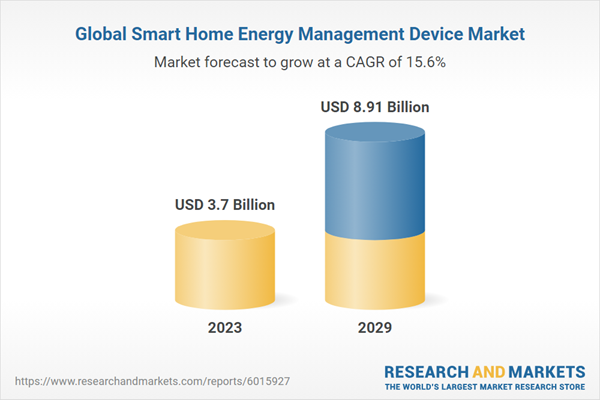
Smart Home Energy Management Devices: A Market Poised for Growth

The Global Smart Home Energy Management Device Market is on the brink of a significant transformation, driven by escalating demands for energy-efficient solutions and the increasing adoption of smart home technologies.