Understanding the Growing Importance of Cyber Insurance

In today’s digital landscape, cyber insurance has emerged as a critical component of a modern security strategy. With cyber incidents on the rise and associated business costs soaring, many experts view it as indispensable. The global cyber insurance market is projected to reach a staggering $90.6 billion by 2033, underscoring its escalating relevance.

Cyber insurance growth

Challenges in Current Cyber Insurance Policies

Despite its necessity, many organizations find that their cyber insurance policies are not working effectively. According to a 2023 Delinea report, there is a growing disconnect between carriers and enterprises, leading to numerous claims being rejected. This issue is particularly prevalent among small businesses, which face an increase in cyberattacks yet often remain uncertain about their coverage details.

A striking example comes from a 2022 report by the UK’s Federation of Small Businesses, revealing that 38% of its members with cyber insurance do not know what their policy includes. Furthermore, a recent study by Aviva found that only 17% of small businesses have cyber insurance, illustrating the widespread skepticism and lack of adoption in the sector.

Barriers to Effective Coverage

One of the primary barriers to effective cyber insurance coverage is the complexity and ambiguity of policy terms. Tarnveer Singh, CISO of The Exeter, highlighted that this can lead to disputes and delays during cyber incidents, exacerbating stress and financial strain for policyholders. The evolving nature of cyber threats adds another layer of complexity, often resulting in inadequate or overpriced policies.

Additionally, the growing cost of premiums, projected to increase by 25-30% annually until 2025 by S&P Global Ratings, further complicates matters for small and medium-sized enterprises (SMEs).

Enhancing Cyber Insurance Effectiveness

To make cyber insurance more effective, insurers must offer customizable policies tailored to the specific needs of businesses. Amar Patel, a CISO in financial services, emphasized the importance of innovating product development to align with the evolving cyber threat landscape. This approach can provide more relevant insurance products and encourage broader adoption among SMEs.

Insurers should also improve transparency in policy terms and streamline the claims process, making it more accessible and efficient for businesses. This includes simplifying documentation requirements and establishing clear communication channels to expedite claim assessments and settlements.

Future Directions for Cyber Insurance

Looking to the future, cyber insurers are advised to consider providing holistic risk management services to enhance their offerings. These services could include cybersecurity assessments, incident response planning, and employee training, helping organizations proactively manage cyber risks.

Moreover, collaboration with the cybersecurity industry is crucial. By building closer relationships, insurers can gain insights into the evolving threat landscape and refine their risk assessment models. This partnership can lead to the development of joint frameworks for cyber risk assessment, standardizing and streamlining the process.

Conclusion

Cyber insurance is an essential part of modern cybersecurity strategies, but it remains a relatively young sector with room for growth. Addressing the challenges in policy application and fostering collaboration with the cybersecurity industry will be key to enhancing its effectiveness and adoption in the coming years.


More Articles

Getting licensed or staying ahead in your career can be a journey—but it doesn’t have to be overwhelming. Grab your favorite coffee or tea, take a moment to relax, and browse through our articles. Whether you’re just starting out or renewing your expertise, we’ve got tips, insights, and advice to keep you moving forward. Here’s to your success—one sip and one step at a time!

Florida Homeowners Finally Get Relief as Gov. DeSantis Announces Significant Insurance Premium Cuts

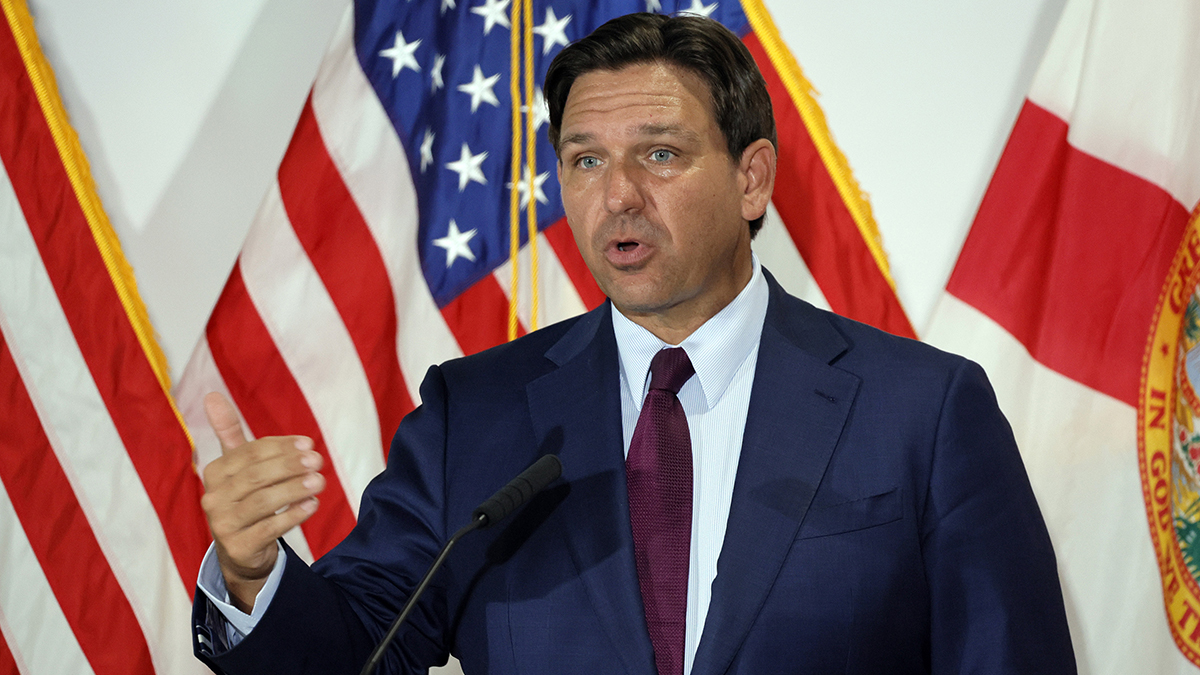
Florida homeowners — especially in hard‑hit South Florida — are set to see rare and substantial reductions in their property insurance premiums. Gov. Ron DeSantis announced an average statewide Citizens Insurance decrease of 8.7%, with even larger savings of up to 14% in counties like Miami-Dade, Broward, and Palm Beach. State officials credit recent legal and regulatory reforms for stabilizing the market, attracting new insurers, and delivering the first meaningful rate relief Floridians have seen in years.

Tampa’s Real Estate Market Enters a Smarter, More Selective Growth Phase

Tampa’s commercial real estate market isn’t slowing—it’s maturing. With strong population growth, rising office demand, a normalized industrial sector, resurgent retail, and an emerging health‑care real estate boom, investors are shifting from speed to strategy. Tighter underwriting, cautious capital and increased due‑diligence are shaping a more disciplined market, creating new opportunities for informed professionals.

Florida Slashes Home Insurance Rates: Biggest Drop in a Decade Sends Shockwaves Through the Market

Florida homeowners are finally seeing relief as Citizens Property Insurance announces a major 8.7% average rate decrease—far larger than originally proposed. Driven by legislative reforms, fewer lawsuits, and a calm hurricane season, the state’s once‑unstable insurance market is showing real signs of recovery. But with reduced coverage limits and shifting legal protections, experts warn that lower premiums may come with hidden trade‑offs.

Florida Homeowners Finally Get Insurance Relief After Years of Soaring Premiums

After a decade of rising premiums and retreating carriers, Florida homeowners are finally seeing long‑awaited relief. Dozens of insurers have filed for rate decreases—some as high as 11%—thanks to legislative reforms and a stabilizing market. Early approvals are already hitting counties across the state, and experts say the momentum could boost buyer confidence, affordability, and competition throughout Florida’s real estate and insurance sectors.

Self‑Storage Investing in 2026: A Market Thaw Opens the Door to Big Opportunities

After years of slowed activity caused by rising interest rates, the self‑storage industry is heating up again. New data from Marcus & Millichap shows a fresh market cycle emerging, driven by renewed buyer confidence, recalibrated pricing, and stronger lender participation. Acquisitions are rebounding, development is resetting in a healthier direction, and financing conditions are improving—creating one of the most promising investment landscapes the sector has seen in years.

Brookline’s Real Flood Risk: What FEMA’s New Maps Reveal—and What They Miss

Brookline’s newly updated FEMA flood maps identify 97 high‑risk parcels, but local experts warn the true threat is far greater. While FEMA highlights river‑based flooding around Leverett Pond and the Muddy River, alternative models show more than 1,300 Brookline properties at risk within 30 years. Hidden vulnerabilities along major corridors like Beacon Street, rising rainfall intensity, aging infrastructure, and climate‑driven storm patterns suggest that many “low‑risk” areas may be anything but safe.