Understanding the Growing Importance of Cyber Insurance

In today’s digital landscape, cyber insurance has emerged as a critical component of a modern security strategy. With cyber incidents on the rise and associated business costs soaring, many experts view it as indispensable. The global cyber insurance market is projected to reach a staggering $90.6 billion by 2033, underscoring its escalating relevance.

Cyber insurance growth

Challenges in Current Cyber Insurance Policies

Despite its necessity, many organizations find that their cyber insurance policies are not working effectively. According to a 2023 Delinea report, there is a growing disconnect between carriers and enterprises, leading to numerous claims being rejected. This issue is particularly prevalent among small businesses, which face an increase in cyberattacks yet often remain uncertain about their coverage details.

A striking example comes from a 2022 report by the UK’s Federation of Small Businesses, revealing that 38% of its members with cyber insurance do not know what their policy includes. Furthermore, a recent study by Aviva found that only 17% of small businesses have cyber insurance, illustrating the widespread skepticism and lack of adoption in the sector.

Barriers to Effective Coverage

One of the primary barriers to effective cyber insurance coverage is the complexity and ambiguity of policy terms. Tarnveer Singh, CISO of The Exeter, highlighted that this can lead to disputes and delays during cyber incidents, exacerbating stress and financial strain for policyholders. The evolving nature of cyber threats adds another layer of complexity, often resulting in inadequate or overpriced policies.

Additionally, the growing cost of premiums, projected to increase by 25-30% annually until 2025 by S&P Global Ratings, further complicates matters for small and medium-sized enterprises (SMEs).

Enhancing Cyber Insurance Effectiveness

To make cyber insurance more effective, insurers must offer customizable policies tailored to the specific needs of businesses. Amar Patel, a CISO in financial services, emphasized the importance of innovating product development to align with the evolving cyber threat landscape. This approach can provide more relevant insurance products and encourage broader adoption among SMEs.

Insurers should also improve transparency in policy terms and streamline the claims process, making it more accessible and efficient for businesses. This includes simplifying documentation requirements and establishing clear communication channels to expedite claim assessments and settlements.

Future Directions for Cyber Insurance

Looking to the future, cyber insurers are advised to consider providing holistic risk management services to enhance their offerings. These services could include cybersecurity assessments, incident response planning, and employee training, helping organizations proactively manage cyber risks.

Moreover, collaboration with the cybersecurity industry is crucial. By building closer relationships, insurers can gain insights into the evolving threat landscape and refine their risk assessment models. This partnership can lead to the development of joint frameworks for cyber risk assessment, standardizing and streamlining the process.

Conclusion

Cyber insurance is an essential part of modern cybersecurity strategies, but it remains a relatively young sector with room for growth. Addressing the challenges in policy application and fostering collaboration with the cybersecurity industry will be key to enhancing its effectiveness and adoption in the coming years.


More Articles

Getting licensed or staying ahead in your career can be a journey—but it doesn’t have to be overwhelming. Grab your favorite coffee or tea, take a moment to relax, and browse through our articles. Whether you’re just starting out or renewing your expertise, we’ve got tips, insights, and advice to keep you moving forward. Here’s to your success—one sip and one step at a time!

A New Blueprint for True Florida Affordability: Jayden D’Onofrio Pushes for Real Relief in 2026

Florida families are feeling the squeeze as everyday costs, insurance premiums, and homeownership barriers continue to climb. House District 102 candidate Jayden D’Onofrio is calling for a broader, more unified affordability strategy—one that tackles the state’s insurance crisis, supports first‑time homebuyers, and restores real competition in the market. His message centers on transparency, practical solutions, and keeping Florida livable for the professionals, workers, and families who power its economy.

Health Insurance Shake‑Up: America’s Coverage Markets Enter a New Era

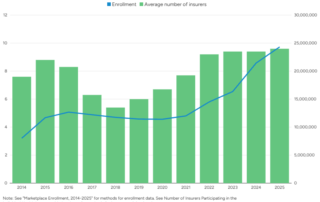
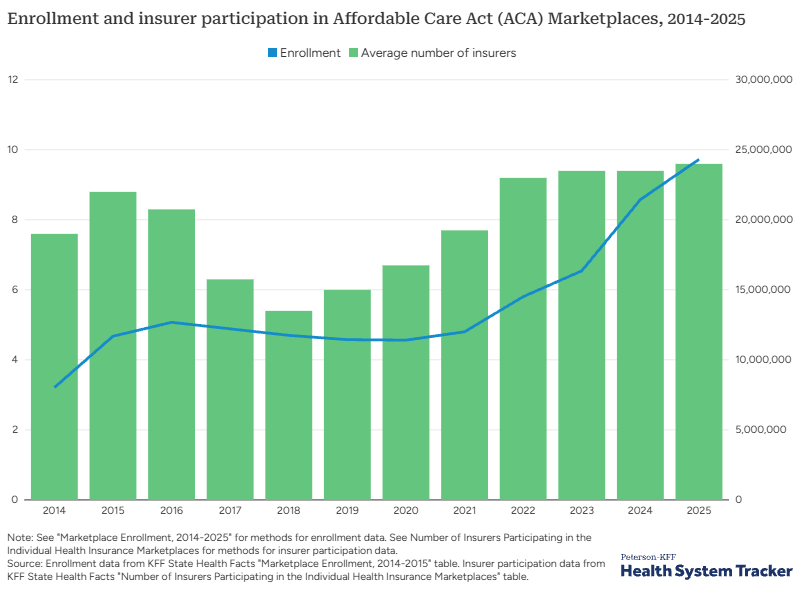
A decade of dramatic change is reshaping America’s health insurance markets. Employer group plans are becoming increasingly dominated by a few powerful insurers, while the ACA individual marketplace is experiencing record‑breaking competition and enrollment. Self‑funded plans are surging, small‑group premiums are driving employers to new coverage models, and major policy shifts in 2025 could redefine affordability for millions. This data‑driven Peterson‑KFF analysis breaks down the trends every insurance, finance, and business professional needs to understand as the industry enters a transformative new era.

Florida’s Next Mega‑Development: Winchester Ranch Set to Transform North Port

Sarasota County is inching closer to approving Winchester Ranch, a massive 8,999‑home community planned for more than 3,100 acres in North Port. With a 7‑1 vote from the Planning Commission and a final decision expected in early 2026, the project could become one of Southwest Florida’s largest developments in decades—bringing new housing, commercial space, and industry while raising fresh questions about growth, the environment, and the region’s rapidly evolving real estate market.

Lument Finance Trust Closes $664 Million CRE CLO, Signaling Strength in 2025 Markets

Lument Finance Trust has closed a major $663.8 million commercial real estate CLO, marking one of the standout CRE finance deals of 2025. The transaction, LMNT 2025-FL3, features a strong reinvestment period, non‑recourse and non‑mark‑to‑market financing, and a diversified pool of 32 loans tied to 49 properties nationwide. With J.P. Morgan leading the structuring and more than $585 million placed in investment‑grade securities, the deal highlights renewed stability in transitional CRE debt—making it a development real estate and finance professionals will want to watch closely.

Walmart Launches America’s Largest 3D‑Printed Commercial Building Initiative

Walmart has partnered with Alquist 3D to roll out the nation’s first large‑scale wave of 3D‑printed commercial buildings, signaling a major shift in how future retail and industrial spaces will be constructed. After completing an 8,000‑square‑foot 3D‑printed expansion in Tennessee—the largest of its kind—the company is moving forward with over a dozen new projects nationwide, accelerating a tech‑driven transformation in commercial real estate.

Citizens Insurance Proposes 2026 Rate Cuts, Signaling Relief for Florida’s Property Market

Citizens Property Insurance Corp. is recommending statewide rate reductions for 2026—the first proposed decrease in more than a decade. Most Citizens policyholders could see an average 11.5% drop, reflecting recent insurance‑market reforms that have stabilized Florida’s turbulent property sector. With hundreds of thousands of policies moving back to private insurers and state‑backed Citizens shrinking to record‑low enrollment, real estate and insurance professionals should prepare for how lower premiums may influence affordability, buyer confidence, and market activity heading into 2026.