Understanding the Legal and Ethical Challenges AI Poses in Oncology
The field of oncology is undergoing a transformation, driven by the rapid integration of artificial intelligence (AI) technology. These advancements promise unprecedented improvements in cancer detection, personalized treatment strategies, and patient support. However, as the integration of AI into oncology progresses, a myriad of legal and ethical challenges emerges.
AI in Diagnosis and Treatment
AI tools have been instrumental in enhancing the analysis of medical imaging data, such as MRI scans, CT scans, and mammograms. These algorithms are adept at identifying subtle patterns that might elude human observation, potentially leading to faster and more accurate cancer detection. AI also plays a crucial role in treatment delivery and decision-making, particularly in radiation therapy and immunotherapy regimen design.
Yet, the use of AI in diagnosis raises significant legal questions. Traditionally, human physicians are not held strictly liable for incorrect diagnoses or treatments if their conduct meets the standard of care. However, defining a legal standard for AI-related errors remains uncertain. Some propose a strict liability standard, holding manufacturers accountable for defects without needing to prove fault, while others suggest alternative product liability standards.
Legal Standards and Liability
The complexity of applying legal standards to AI tools is compounded by their evolving nature. AI algorithms often change as they process more data, challenging traditional product liability frameworks. Different jurisdictions are adopting varied approaches to liability, with the European Commission discussing a proposed AI Liability Directive for high-risk AI systems.
Patient Counseling and Ethical Considerations
Beyond diagnostics, AI is also being explored for patient counseling. Studies have evaluated the use of AI chatbots for cancer-related inquiries, with mixed results. While these chatbots can provide helpful information, they are not yet fully ready for patient-facing roles. A recent study found that AI chatbots were as effective as human counselors in educating breast cancer patients about genetic dimensions, suggesting potential in freeing up human resources for more intensive counseling.
However, using AI in patient counseling introduces critical ethical issues, particularly regarding data security and informed consent. Patients must be aware they are receiving advice from an AI system, and there must be safeguards against harmful advice.
Future Directions and Challenges
The integration of AI into oncology presents long-term challenges, including ensuring that AI enhances rather than diminishes professional skills. Oncology professionals must be trained to effectively use AI tools, much like adapting to electronic medical records in previous eras.
In conclusion, while AI offers promising advancements in oncology, its legal and ethical implications are evolving and uncertain. Understanding these complexities is crucial to ensuring that AI serves as a tool to augment human expertise and improve patient outcomes. For more details, refer to the original article on The ASCO Post.
More Articles
Getting licensed or staying ahead in your career can be a journey—but it doesn’t have to be overwhelming. Grab your favorite coffee or tea, take a moment to relax, and browse through our articles. Whether you’re just starting out or renewing your expertise, we’ve got tips, insights, and advice to keep you moving forward. Here’s to your success—one sip and one step at a time!
Artificial intelligence has shifted from futuristic idea to everyday assistant for real estate professionals. Instead of replacing agents, AI now enhances their workflows—automating repetitive tasks, improving communication, strengthening branding, and turning complex market data into clear insights. From smarter CRMs to AI-powered marketing tools, today’s agents can focus more on relationships and client service while technology handles the busywork behind the scenes.
A Florida House committee is advancing a bill that would crack down on insurers shifting profits to affiliated companies — a practice highlighted by recent investigative reporting. With premiums soaring and options shrinking, the proposed oversight could reshape the state’s insurance landscape and create ripple effects across the real estate market, impacting buyers, agents, and investors statewide.
Proptech podcast *Tangent* marks its 100th episode with an inside look at Airbnb’s evolving role in multifamily housing. Featuring Airbnb Real Estate Marketing Leader Eliza Lochner, the episode explores the rapid growth of Airbnb‑friendly apartments, the rise of flexible‑living models, and why renters and property owners are increasingly embracing hosting as a way to balance affordability, transparency, and control. For today’s real estate professionals—especially in fast‑changing markets like Florida—the conversation highlights major shifts in tenant expectations, property management strategies, and the intersection of technology, hospitality, and residential development.
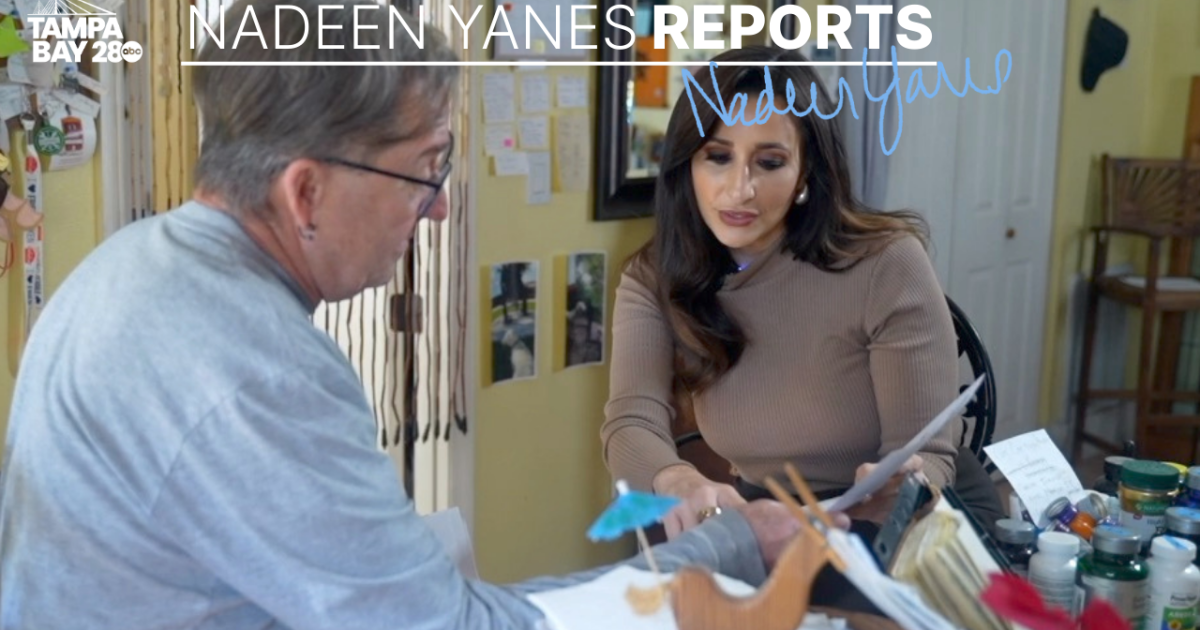
A Tampa Heights homeowner has joined the growing wave of Floridians dropping property insurance altogether after his 2026 renewal skyrocketed to $14,523. With up to 20% of residents now going bare, experts warn that soaring rates, shrinking coverage options, and post‑storm losses are pushing many to take risky measures — even as alternatives like liability‑only plans, dropped wind coverage, or home‑hardening upgrades may offer relief.
A major ERAS overhaul is coming in 2027, replacing the familiar “publications” field with a more rigorous category called “scholarly works.” Only peer‑reviewed submissions—such as manuscripts, abstracts, book chapters, and presentations—will qualify, shifting greater emphasis toward high‑quality research. While the change aims to give residency directors clearer insight into applicants’ academic contributions, many students worry that advocacy and policy work may lose visibility. As programs lean more heavily on research output in a post–Step 1 pass/fail era, future applicants will need to showcase not just what they’ve produced, but the depth and meaning behind it.
Mortgage rates have ticked back up to 6.25% after a brief dip, signaling a return to stability in the housing market. With rising inventory, moderating prices, and forecasts calling for steady rates through 2026, real estate and finance professionals can expect a more predictable environment ahead. This shift opens the door to smoother transactions, improved buyer confidence, and stronger opportunities for career growth across mortgage, real estate, insurance, and related fields.

 Legal Standards and Liability
The complexity of applying legal standards to AI tools is compounded by their evolving nature. AI algorithms often change as they process more data, challenging traditional product liability frameworks. Different jurisdictions are adopting varied approaches to liability, with the European Commission discussing a proposed
Legal Standards and Liability
The complexity of applying legal standards to AI tools is compounded by their evolving nature. AI algorithms often change as they process more data, challenging traditional product liability frameworks. Different jurisdictions are adopting varied approaches to liability, with the European Commission discussing a proposed