“`html

Understanding the REAL ID Act: What You Need to Know

The REAL ID Act, a legislative measure passed by Congress in 2005, was born out of the 9/11 Commission’s recommendation for the Federal Government to establish standards for identification issuance. This act sets forth minimum security standards for the issuance and production of driver’s licenses and identification cards, ensuring that certain federal agencies only accept these documents if they meet the Act’s stringent criteria.

Real id deadline

As we delve into the specifics of the REAL ID Act, it’s essential to address some of the frequently asked questions that have surfaced since its implementation. These questions cover a wide range of topics, from the basics of what REAL ID is, to the implications of not possessing a compliant license when the enforcement date begins.

For the Public: Key Questions Answered

One of the most pressing inquiries is, “When will REAL ID be enforced?” This enforcement is a critical milestone, as it marks the point at which compliant identification will be mandatory for certain federal purposes, including boarding commercial flights and accessing federal facilities.

Another common question is, “How do I know if my license or identification card is REAL ID compliant?” The answer lies in the presence of a star marking on the top of the card, a symbol of compliance with the REAL ID standards.

State Compliance and Implementation

States play a pivotal role in the implementation of the REAL ID Act. They are tasked with ensuring that their issuance processes align with federal guidelines, which includes the ability to issue non-compliant licenses alongside REAL ID-compliant ones. This flexibility allows states to cater to residents who may not require a compliant ID for federal purposes.

For those interested in the legislative nuances, the REAL ID Modernization Act introduced in 2021, brought significant changes. Notably, it removed the requirement for states to collect separate documentation of an applicant’s Social Security number, streamlining the application process without compromising security.

For more detailed information, you can explore the full article on the TSA’s official website.

“`

More Articles

Getting licensed or staying ahead in your career can be a journey—but it doesn’t have to be overwhelming. Grab your favorite coffee or tea, take a moment to relax, and browse through our articles. Whether you’re just starting out or renewing your expertise, we’ve got tips, insights, and advice to keep you moving forward. Here’s to your success—one sip and one step at a time!

Artificial Intelligence in Diagnostics: A Revolution in Healthcare

The global market for artificial intelligence in diagnostics is poised for remarkable growth, with projections estimating it to reach USD 7.3 billion by 2032.

By |December 10, 2024|Categories: Article, Artificial Intelligence, Healthcare|Tags: , |0 Comments

Revolutionizing Medical Education with Extended Reality

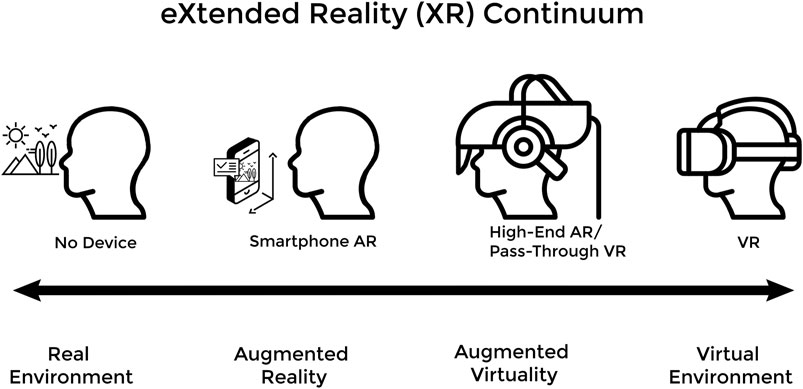
In the ever-evolving landscape of medical education, a new player has emerged, promising to revolutionize the way future doctors are trained. The integration of eXtended Reality (XR) technologies is reshaping the educational landscape by addressing the limitations of traditional methods.

Genetic Testing: A New Dawn in Healthcare

Genetic testing represents more than just a scientific advancement; it signifies a fundamental shift in how we approach health and wellness.

Sustainable Architecture: Blending Innovation with Ecological Responsibility

The journey toward sustainable architecture is ongoing, with each project serving as a beacon of what's achievable when creativity meets ecological awareness.

By |December 9, 2024|Categories: Architecture, Article, Sustainability|Tags: |0 Comments

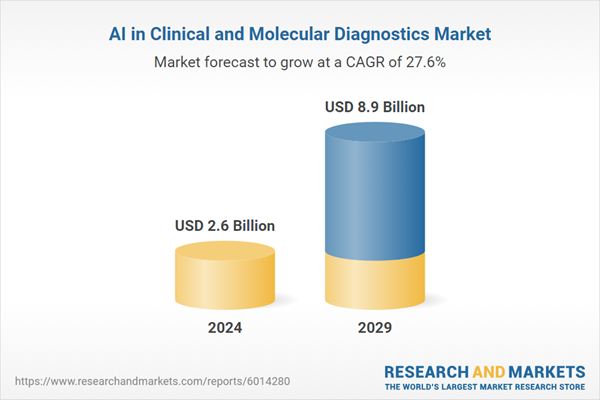
AI in Clinical and Molecular Diagnostics: A Market on the Rise

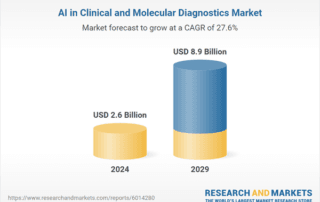
AI in Clinical and Molecular Diagnostics Market is set to experience remarkable growth, projected to surge from USD 2.6 billion in 2024 to USD 8.9 billion by 2029. This growth is driven by the integration of advanced AI technologies such as machine learning and deep learning into traditional diagnostic methodologies like imaging, genomics, and laboratory testing.

AI: A Revolution in Healthcare’s Future

AI is not a distant dream but a present reality, already integrated into everyday life through virtual assistants like Alexa and Siri. AI shows promise in enhancing medical accuracy, such as in predicting mesothelioma survival and improving colonoscopy accuracy, it is not intended to replace healthcare professionals.