Understanding the Shifting Sands of Consumer Behavior in 2024
In a world where consumer preferences are evolving at an unprecedented pace, businesses must stay ahead of the curve to remain competitive. According to a recent report by Exploding Topics, nine key trends in consumer behavior are set to shape the market landscape in 2024 and beyond.
1. Diverse Payment Options: The New Norm
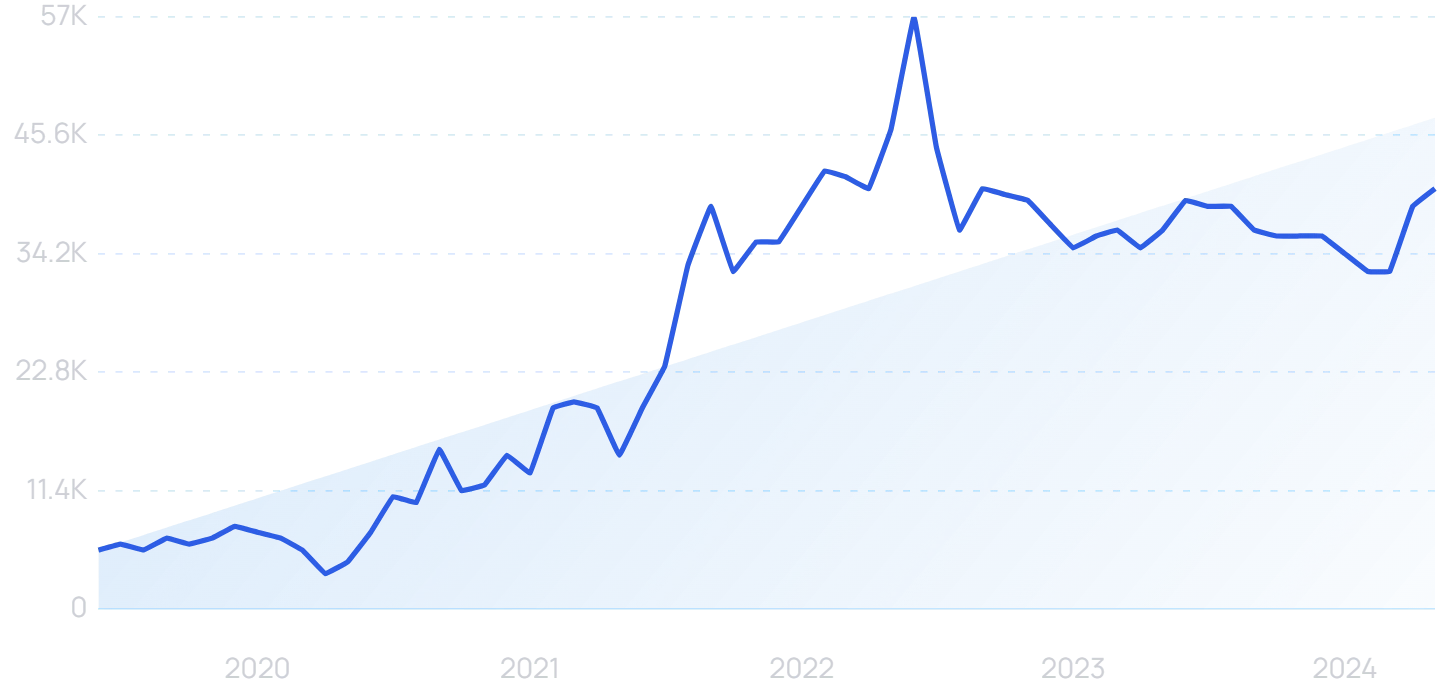
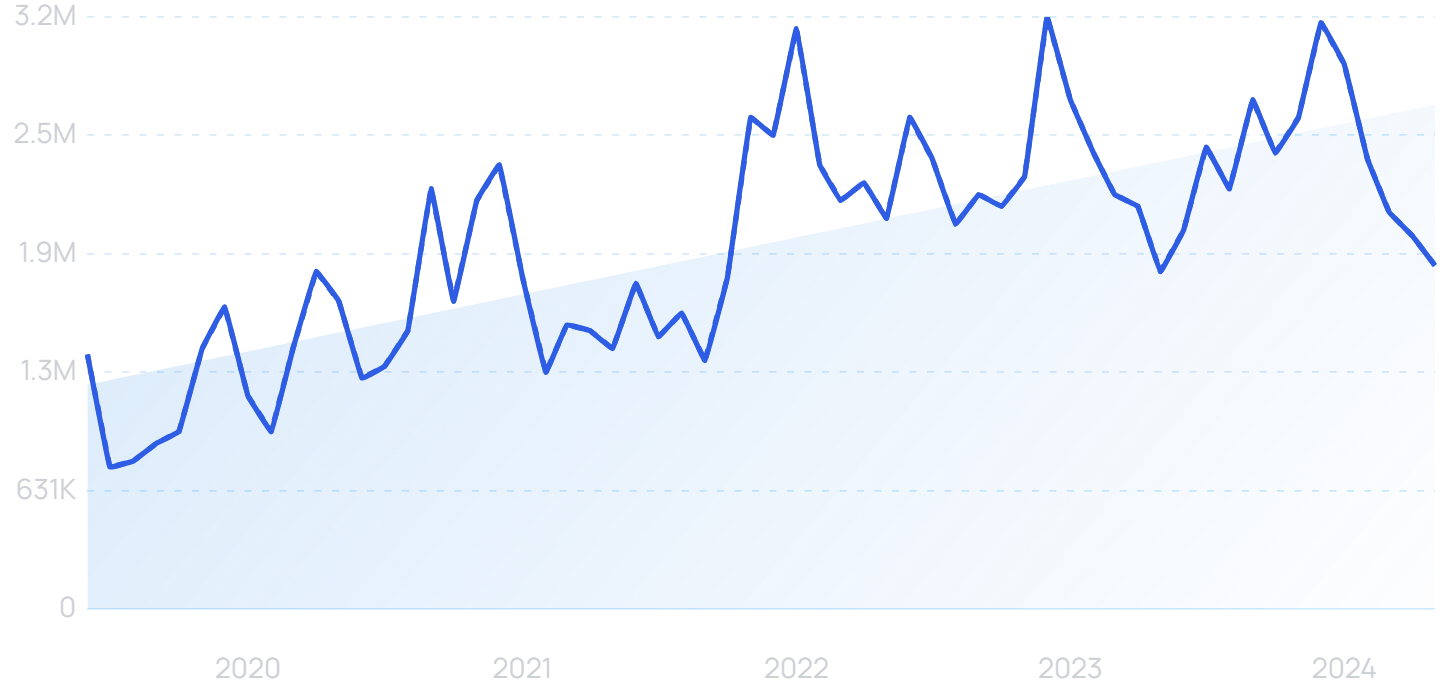
As eCommerce continues to flourish, consumers now expect a variety of payment methods at checkout. The “Buy Now, Pay Later” (BNPL) trend is particularly noteworthy, with searches for “BNPL” growing sixfold over the past five years. Companies like Afterpay and Sezzle are leading this charge, catering to the increasing demand for flexible payment solutions.
2. Expectation for Home Delivery
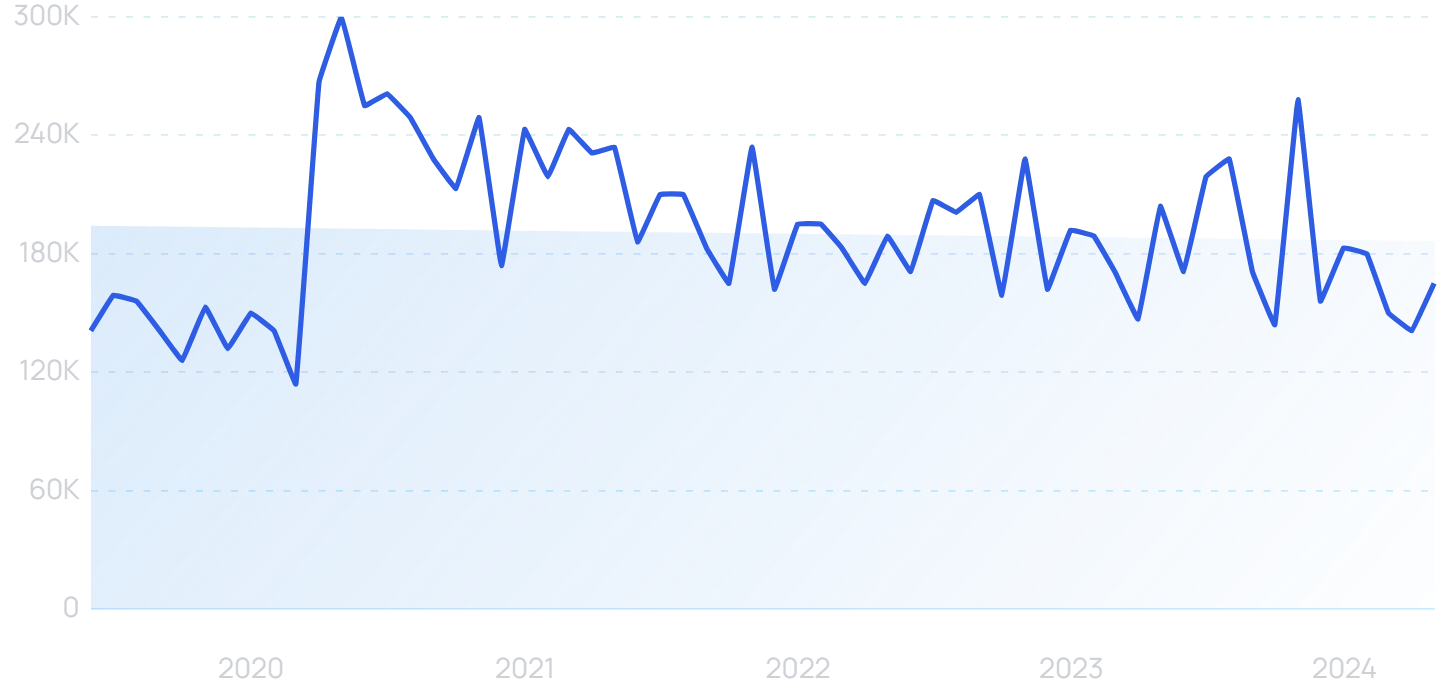
Consumers now anticipate that virtually everything, from eyeglasses to groceries, will be delivered to their doorstep. This shift has propelled the growth of direct-to-consumer brands, such as Warby Parker and Instacart, as they meet the demand for convenience.
3. The Rise of Ethical and Sustainable Products
Sustainability and ethical practices are more than just buzzwords; they are key drivers of consumer decisions. A study by IBM indicates that 77% of consumers value these attributes in brands. This trend is evident in the increasing popularity of products like bamboo clothing, which offer a smaller environmental footprint.
4. Health and Wellness at Home
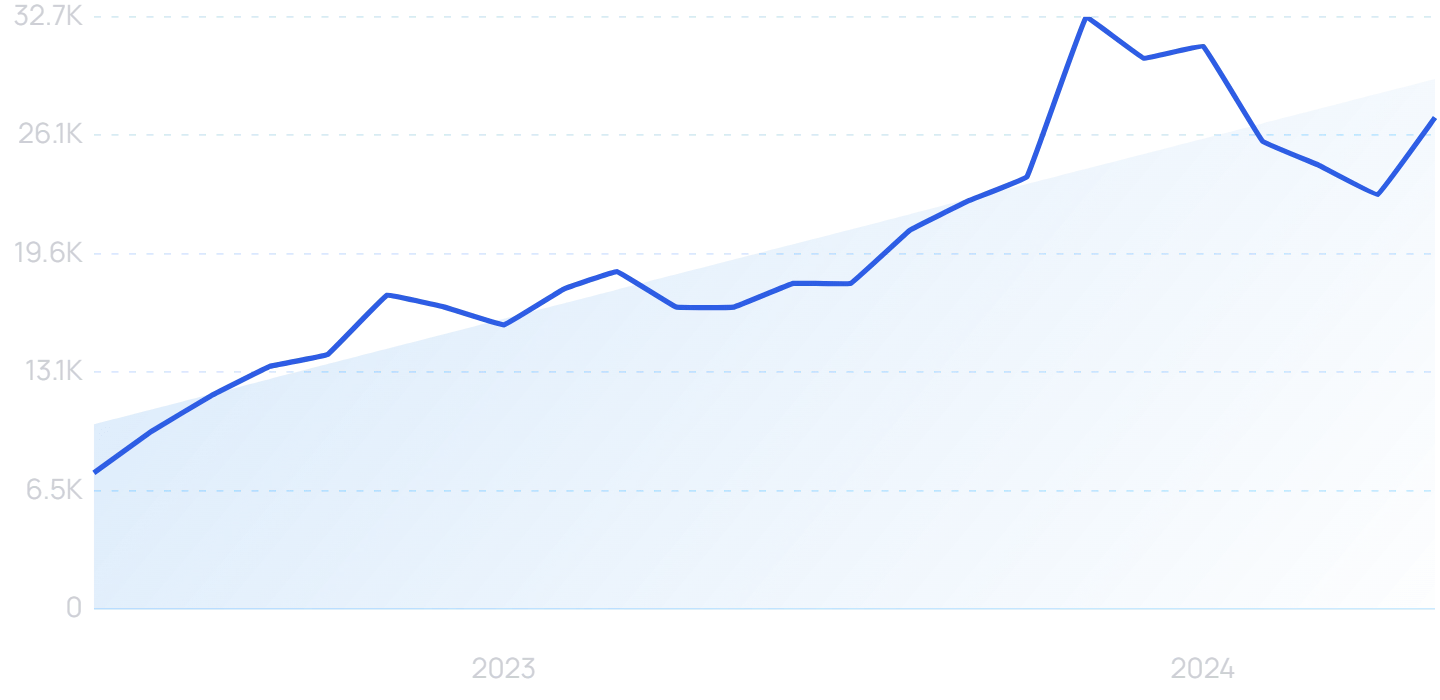
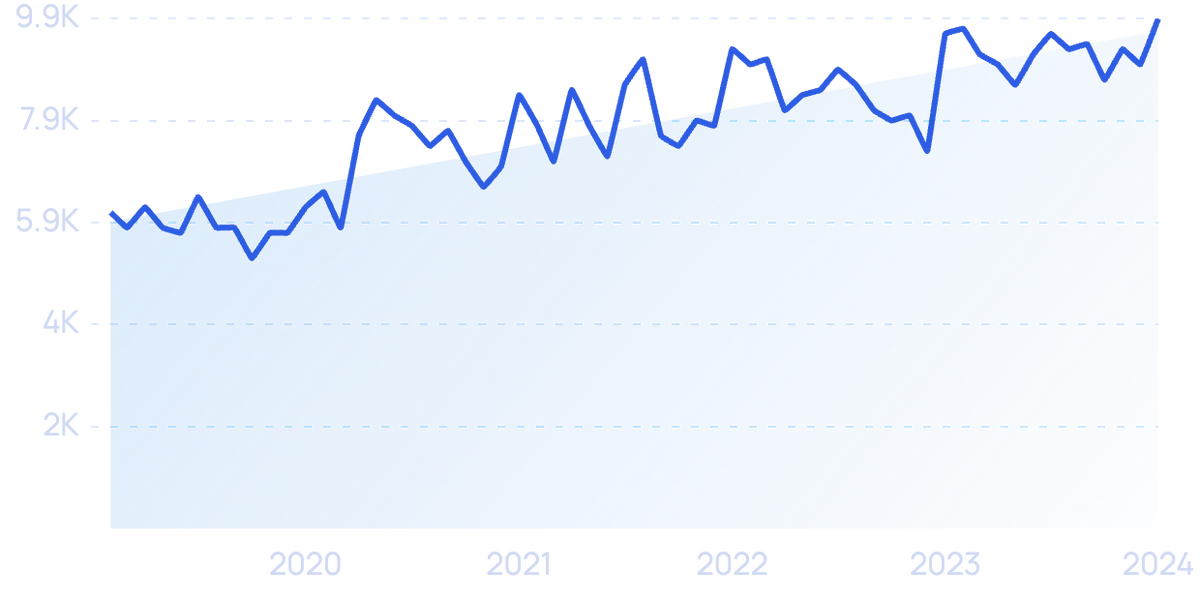
The home has become a sanctuary for health and wellness, with consumers embracing at-home treatments like red light therapy. This trend underscores a shift towards personal health management within the comfort of one’s home.
5. Micro-Influencers: The New Power Players
The influence of social media personalities on consumer choices has not waned. However, the focus is shifting towards micro-influencers, who boast higher engagement rates. Their authentic and niche content resonates more effectively with targeted audiences.
6. Subscription Services: A Growing Market
The subscription model is thriving, with a 90% year-over-year increase in subscribers. From gaming to streaming services, consumers are drawn to the convenience and variety these subscriptions offer.
7. Elevated Spending on Pets
Pet owners are increasingly investing in luxury products for their furry companions. The pet industry is witnessing a surge in demand for items like CBD for dogs and high-end pet furniture.
8. The Expanding Mindfulness Market
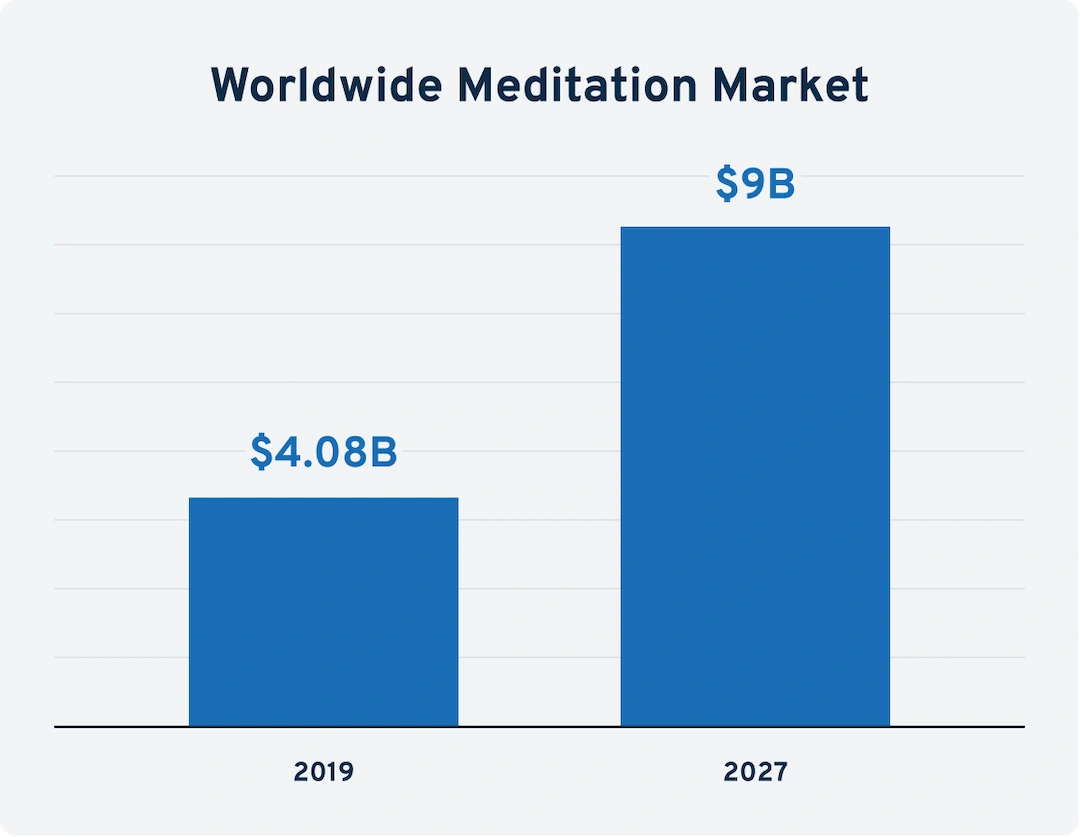
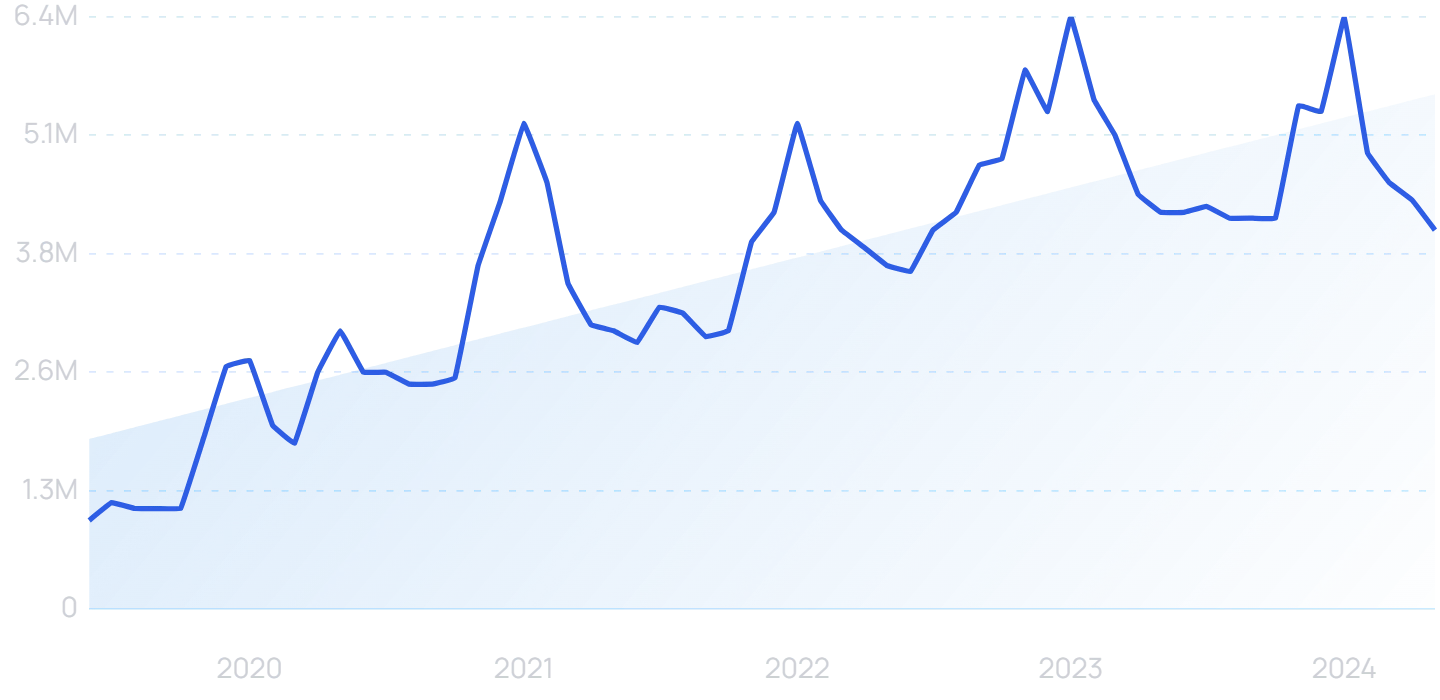
With the global meditation market projected to reach $9 billion by 2027, mindfulness practices are becoming mainstream. Apps like Calm and Headspace are leading the charge in providing accessible mental wellness solutions.
9. The Home as the Central Hub
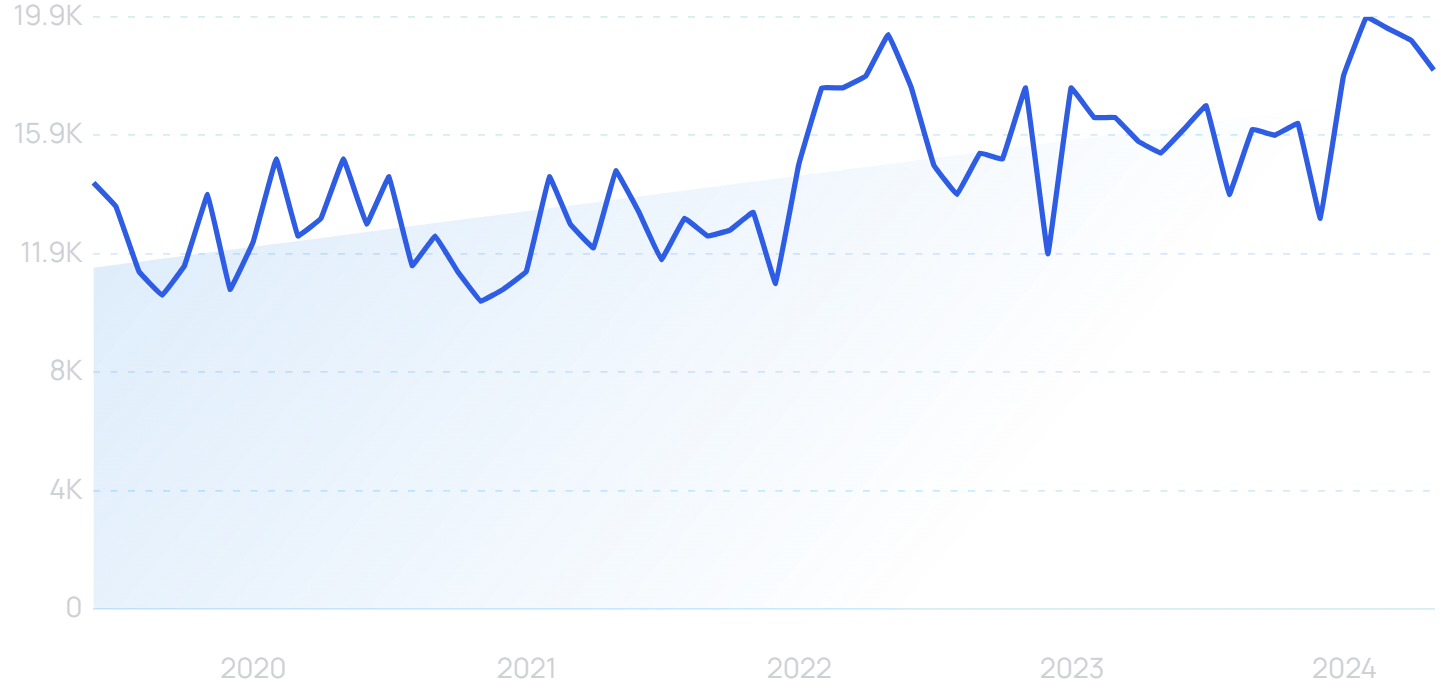
With more people working remotely, the home has evolved into a multifaceted hub for work, leisure, and security. This has spurred interest in products like smart doorbells and air fryers, enhancing both convenience and functionality at home.
Conclusion
These trends highlight a consumer landscape increasingly focused on convenience, sustainability, and enhanced home environments. As brands navigate this evolving terrain, understanding these shifts will be crucial in meeting consumer expectations and driving future growth.
“`
More Articles
Getting licensed or staying ahead in your career can be a journey—but it doesn’t have to be overwhelming. Grab your favorite coffee or tea, take a moment to relax, and browse through our articles. Whether you’re just starting out or renewing your expertise, we’ve got tips, insights, and advice to keep you moving forward. Here’s to your success—one sip and one step at a time!
The greenhouse industry is entering 2026 with a complex wave of overlapping risks — from rising insurance costs and extreme weather to cyber threats, labor shortages, and unstable supply chains. These challenges aren’t isolated; they compound one another, increasing pressure on growers and business owners alike. Insights from industry experts reveal the key trends shaping risk management in the year ahead and what operators must do now to stay resilient.
New FDIC reporting rules are changing how banks classify and disclose commercial real estate loans, replacing the old Troubled Debt Restructuring label with clearer “financial difficulty” modifications and expanding transparency across structured products and capital requirements. These updates may briefly tighten lending but ultimately promise stronger liquidity, cleaner risk data, and more predictable CRE financing as banks adapt.
Artificial intelligence is no longer an upcoming trend—it's already reshaping how real estate professionals work, compete, and win. With the AI real estate sector set to surge from $222B in 2024 to nearly $1T by 2029, the industry is undergoing a rapid transformation in valuations, virtual tours, listings, investment analysis, and client management. Agents and investors who embrace AI tools are gaining unprecedented efficiency and insight, while those who resist risk falling behind.
The Federal Housing Finance Agency is weighing the idea of 50‑year mortgages, a move that could make monthly payments more affordable but dramatically increase total interest costs. Supporters say it may help young professionals break into the housing market, while critics warn it could trap families in half a century of debt. As the industry debates this controversial loan option, real estate and mortgage professionals must stay informed to guide clients through the shifting landscape.
December is shaping up to be another unpredictable month for mortgage rates. With the Federal Reserve signaling mixed messages, key economic reports running behind schedule, and lenders already looking ahead to 2026, rates could face upward pressure. Experts from Fannie Mae and the MBA project an average 30‑year rate around 6.3% for late 2025, suggesting a potential December bump. For real estate and mortgage professionals, understanding this volatility isn’t just helpful — it’s a competitive edge.
Sellers are cutting prices at record levels, delistings are surging to highs not seen since 2017, and buyers remain hesitant despite slightly lower mortgage rates. With affordability still strained and new construction slowing, the 2025 housing market is entering a deeper‑than‑usual winter slowdown marked by caution on all sides.