In a pivotal step towards addressing the intersection of climate change and healthcare, the University of Pennsylvania’s Perelman School of Medicine (PSOM) has introduced the Planetary Health curriculum, spearheaded by Farah Hussain, MD. This innovative program equips medical students with the knowledge to understand and mitigate the effects of climate change on human health.

Farah hussain

Dr. Hussain, who originally found her passion for environmental advocacy during her undergraduate studies with sea anemones, has become a trailblazer in integrating environmental considerations into medical education. Inspired by the stark evidence presented in the Intergovernmental Panel on Climate Change’s reports, Hussain realized the importance of aligning her medical career with ecological preservation.

The curriculum, launched in 2022, enjoys growing momentum, reflecting a broader trend in medical education as institutions like Harvard Medical School and Stanford University’s School of Medicine adopt similar programs. The educational content is seamlessly woven into existing courses at PSOM, where students learn about the direct implications of climate changes—such as extreme weather and pollution—on human health alongside traditional medical subjects.

Aside from core courses, PSOM continues to offer specialized classes like the Climate Change and Health elective, examining the differential impact of environmental changes on vulnerable populations and their healthcare outcomes. This elective delves into how shifts in the ecosystem can influence disease prevalence and respiratory health.

Collaboration is Key


A crucial component of this educational initiative is collaboration. Under Hussain’s guidance, PSOM’s students and faculty collaborate to integrate climate-awareness in various medical disciplines, from Psychiatry to Pulmonology, ensuring that students are well-prepared to tackle these challenges in their professional lives.

Additionally, the thriving student-led Healthcare Sustainability Group leads efforts in pushing beyond classroom learning. Their projects aim to transform healthcare operations, such as creating greener operating rooms, thus reducing the environmental footprint of healthcare services.

From Classroom to Clinical Practice


The curriculum’s next phase will broaden its scope from classroom learning to practical applications during clinical rotations, preparing students to engage with patients directly on environmental factors affecting health and advocating for systemic changes.

As Sarah Wornow and her fellow students champion this vital cause, PSOM remains committed to its institutional goal of becoming the most environmentally friendly healthcare system in the nation. Their comprehensive approach reflects a keen understanding that sustainable practices are essential in preserving both planetary and human health.

For more detailed stories and updates on Penn Medicine’s ongoing sustainability efforts, readers can explore related articles discussing the transformational work in operating rooms, healthcare sustainability goals, and groundbreaking health research on climate change impacts.

More Articles

Getting licensed or staying ahead in your career can be a journey—but it doesn’t have to be overwhelming. Grab your favorite coffee or tea, take a moment to relax, and browse through our articles. Whether you’re just starting out or renewing your expertise, we’ve got tips, insights, and advice to keep you moving forward. Here’s to your success—one sip and one step at a time!

Free Money in 2026? The Truth About the DOGE Dividend Stimulus Check

The DOGE Dividend: What You Need to Know About the Proposed 2026 Stimulus Check Hey there! If you’ve been wondering #ReadMore

Navigating Seller’s Market: Twin Cities Housing Trends and Predictions for 2024

The Minneapolis housing market is currently navigating a complex terrain, marked by a curious blend of optimism and caution. In 2024, home sales in the Twin Cities area experienced a modest uptick of 1.8%.

Future Homes: Sustainability and Smart Technology Shaping Real Estate

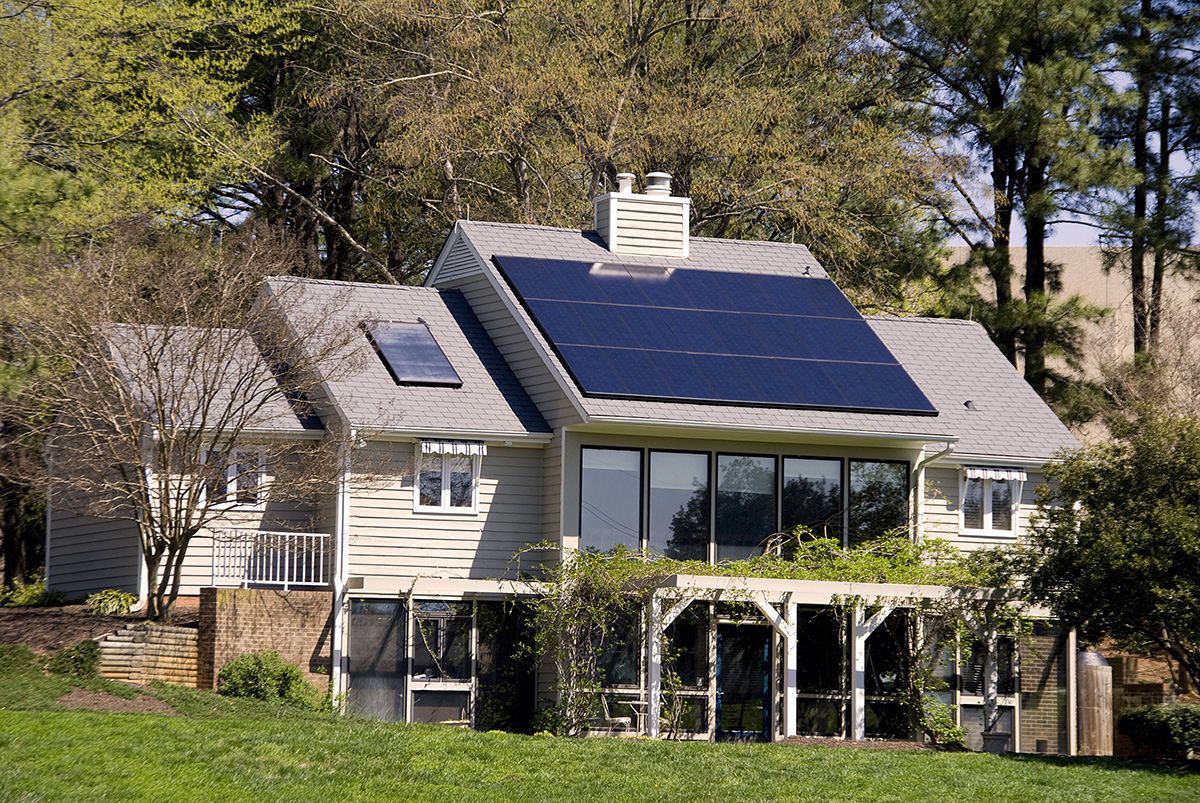
In the ever-evolving landscape of real estate, two groundbreaking trends are shaping the homes of tomorrow: sustainability and smart home technology. As consumers become increasingly aware of their environmental impact and as technology continues to advance at lightning speed, these trends are significantly influencing buying decisions in the residential real estate market.

By |February 25, 2025|Categories: Article, Real Estate, Technology|Tags: , |0 Comments

Harvard Study Projects Dramatic Slowdown in U.S. Household Growth

In a comprehensive analysis by Harvard's Joint Center for Housing Studies, there is a projected increase of 8.6 million households in the United States from 2025 to 2035. This equates to approximately 860,000 new households per year, marking a significant deceleration compared to the post-Great Recession era, which saw a sluggish yet larger gain of 10.1 million households.

By |February 24, 2025|Categories: Article, Demographics, Housing|Tags: , |0 Comments

AI Revolutionizing Real Estate: Predicting Trends and Values

The real estate industry, often seen as conservative, is gradually embracing technological advancements with AI leading the charge. Generative AI is already revolutionizing real estate marketing by enhancing customer experiences and optimizing content creation.

By |February 24, 2025|Categories: Article, Real Estate, Technology/AI|Tags: , |0 Comments

In-Person Work Policies: A Beacon of Hope for Commercial Real Estate

With office occupancy plummeting by 90% from February to March 2020, the impact of remote work was palpable. However, the researchers found that hybrid mandates and adding more in-office days could mitigate some of these challenges.