In a pivotal step towards addressing the intersection of climate change and healthcare, the University of Pennsylvania’s Perelman School of Medicine (PSOM) has introduced the Planetary Health curriculum, spearheaded by Farah Hussain, MD. This innovative program equips medical students with the knowledge to understand and mitigate the effects of climate change on human health.

Farah hussain

Dr. Hussain, who originally found her passion for environmental advocacy during her undergraduate studies with sea anemones, has become a trailblazer in integrating environmental considerations into medical education. Inspired by the stark evidence presented in the Intergovernmental Panel on Climate Change’s reports, Hussain realized the importance of aligning her medical career with ecological preservation.

The curriculum, launched in 2022, enjoys growing momentum, reflecting a broader trend in medical education as institutions like Harvard Medical School and Stanford University’s School of Medicine adopt similar programs. The educational content is seamlessly woven into existing courses at PSOM, where students learn about the direct implications of climate changes—such as extreme weather and pollution—on human health alongside traditional medical subjects.

Aside from core courses, PSOM continues to offer specialized classes like the Climate Change and Health elective, examining the differential impact of environmental changes on vulnerable populations and their healthcare outcomes. This elective delves into how shifts in the ecosystem can influence disease prevalence and respiratory health.

Collaboration is Key


A crucial component of this educational initiative is collaboration. Under Hussain’s guidance, PSOM’s students and faculty collaborate to integrate climate-awareness in various medical disciplines, from Psychiatry to Pulmonology, ensuring that students are well-prepared to tackle these challenges in their professional lives.

Additionally, the thriving student-led Healthcare Sustainability Group leads efforts in pushing beyond classroom learning. Their projects aim to transform healthcare operations, such as creating greener operating rooms, thus reducing the environmental footprint of healthcare services.

From Classroom to Clinical Practice


The curriculum’s next phase will broaden its scope from classroom learning to practical applications during clinical rotations, preparing students to engage with patients directly on environmental factors affecting health and advocating for systemic changes.

As Sarah Wornow and her fellow students champion this vital cause, PSOM remains committed to its institutional goal of becoming the most environmentally friendly healthcare system in the nation. Their comprehensive approach reflects a keen understanding that sustainable practices are essential in preserving both planetary and human health.

For more detailed stories and updates on Penn Medicine’s ongoing sustainability efforts, readers can explore related articles discussing the transformational work in operating rooms, healthcare sustainability goals, and groundbreaking health research on climate change impacts.

More Articles

Getting licensed or staying ahead in your career can be a journey—but it doesn’t have to be overwhelming. Grab your favorite coffee or tea, take a moment to relax, and browse through our articles. Whether you’re just starting out or renewing your expertise, we’ve got tips, insights, and advice to keep you moving forward. Here’s to your success—one sip and one step at a time!

Revolutionizing Clinical Care: The Age of Genome Sequencing

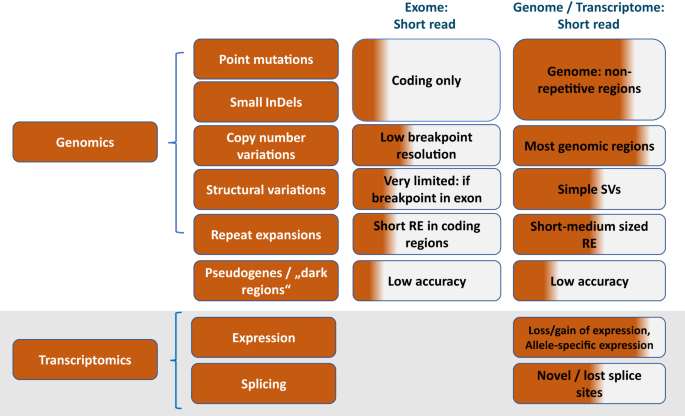
Genome sequencing is taking center stage, reshaping how we approach the diagnosis and treatment of genetic conditions.

By |January 9, 2025|Categories: Article, Genomics, Healthcare|Tags: , |0 Comments

The Future of Health-Tech in 2025

The global market is projected to surpass $200 billion, expanding at a compound annual growth rate (CAGR) of 25%. Predictive and personalized healthcare will see significant advancements in 2025.

Unveiling Flood Adaptation Disparities in the USA

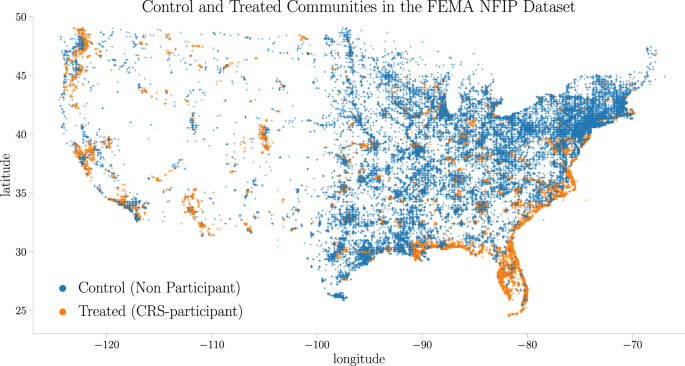
In a groundbreaking analysis published in Nature, researchers have shone a light on the stark disparities in flood adaptation across the United States, exposing significant differences in how communities access and benefit from flood adaptation measures.

Ethereum’s Serenity Upgrade Sparks Excitement and Market Optimism

Ethereum has shifted to a fully proof-of-stake consensus mechanism, drastically cutting down on the energy typically required for network maintenance.

By |January 8, 2025|Categories: Article, Cryptocurrency, Technology|Tags: , |0 Comments

AI Outperforms Human Experts in Ovarian Cancer Detection

In a groundbreaking study led by researchers at the Karolinska Institutet in Sweden, artificial intelligence (AI) has demonstrated a remarkable ability to detect ovarian cancer, surpassing the accuracy of human doctors.


By |January 8, 2025|Categories: Article, Health, Technology|Tags: , |0 Comments