In a pivotal step towards addressing the intersection of climate change and healthcare, the University of Pennsylvania’s Perelman School of Medicine (PSOM) has introduced the Planetary Health curriculum, spearheaded by Farah Hussain, MD. This innovative program equips medical students with the knowledge to understand and mitigate the effects of climate change on human health.

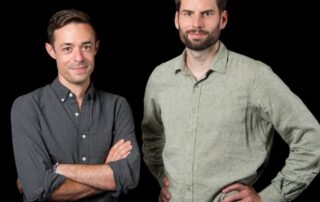
Farah hussain

Dr. Hussain, who originally found her passion for environmental advocacy during her undergraduate studies with sea anemones, has become a trailblazer in integrating environmental considerations into medical education. Inspired by the stark evidence presented in the Intergovernmental Panel on Climate Change’s reports, Hussain realized the importance of aligning her medical career with ecological preservation.

The curriculum, launched in 2022, enjoys growing momentum, reflecting a broader trend in medical education as institutions like Harvard Medical School and Stanford University’s School of Medicine adopt similar programs. The educational content is seamlessly woven into existing courses at PSOM, where students learn about the direct implications of climate changes—such as extreme weather and pollution—on human health alongside traditional medical subjects.

Aside from core courses, PSOM continues to offer specialized classes like the Climate Change and Health elective, examining the differential impact of environmental changes on vulnerable populations and their healthcare outcomes. This elective delves into how shifts in the ecosystem can influence disease prevalence and respiratory health.

Collaboration is Key


A crucial component of this educational initiative is collaboration. Under Hussain’s guidance, PSOM’s students and faculty collaborate to integrate climate-awareness in various medical disciplines, from Psychiatry to Pulmonology, ensuring that students are well-prepared to tackle these challenges in their professional lives.

Additionally, the thriving student-led Healthcare Sustainability Group leads efforts in pushing beyond classroom learning. Their projects aim to transform healthcare operations, such as creating greener operating rooms, thus reducing the environmental footprint of healthcare services.

From Classroom to Clinical Practice


The curriculum’s next phase will broaden its scope from classroom learning to practical applications during clinical rotations, preparing students to engage with patients directly on environmental factors affecting health and advocating for systemic changes.

As Sarah Wornow and her fellow students champion this vital cause, PSOM remains committed to its institutional goal of becoming the most environmentally friendly healthcare system in the nation. Their comprehensive approach reflects a keen understanding that sustainable practices are essential in preserving both planetary and human health.

For more detailed stories and updates on Penn Medicine’s ongoing sustainability efforts, readers can explore related articles discussing the transformational work in operating rooms, healthcare sustainability goals, and groundbreaking health research on climate change impacts.

More Articles

Getting licensed or staying ahead in your career can be a journey—but it doesn’t have to be overwhelming. Grab your favorite coffee or tea, take a moment to relax, and browse through our articles. Whether you’re just starting out or renewing your expertise, we’ve got tips, insights, and advice to keep you moving forward. Here’s to your success—one sip and one step at a time!

The Great Housing Reset: What Redfin Predicts for 2026

Redfin forecasts a slow but meaningful return to normalcy in the U.S. housing market starting in 2026. Instead of a crash or a rapid correction, the year marks the beginning of a “Great Housing Reset” where affordability gradually improves, mortgage rates ease into the low‑6% range, home sales tick upward, and renters, buyers, and professionals finally feel less market pressure. From wage growth outpacing home prices to rising refi activity and the rise of AI‑powered real estate tools, 2026 is shaping up to be a foundational year for real estate careers and long‑term market stability.

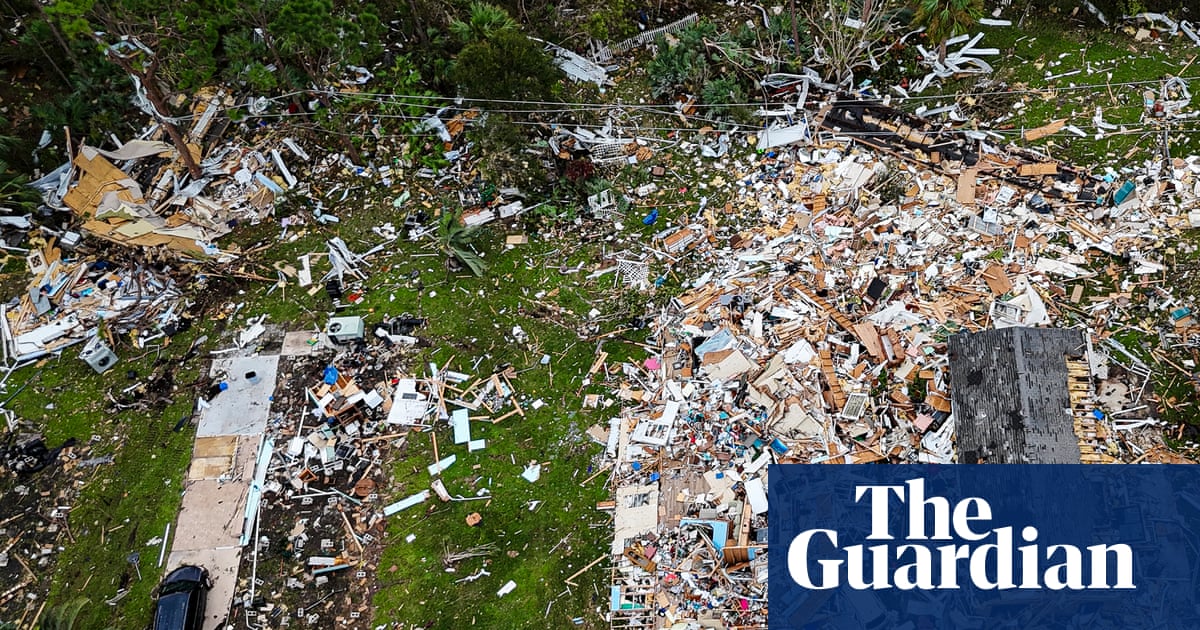
Climate Disasters Are Outpacing Insurance Uptake as the Global Protection Gap Nears Crisis Levels

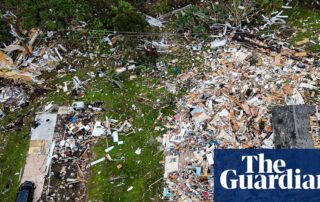
Hurricane Melissa’s destruction in Jamaica highlights a growing global reality: climate risks are accelerating faster than insurance adoption. With more than 90% of disaster losses in developing regions going uninsured and a worldwide protection gap exceeding $1.8 trillion annually, experts warn that traditional insurance systems can no longer keep up. New models—like parametric payouts, community‑based aggregation and bundled climate tools—are emerging, but governments and corporations must step in to prevent financial shocks from destabilizing entire economies.

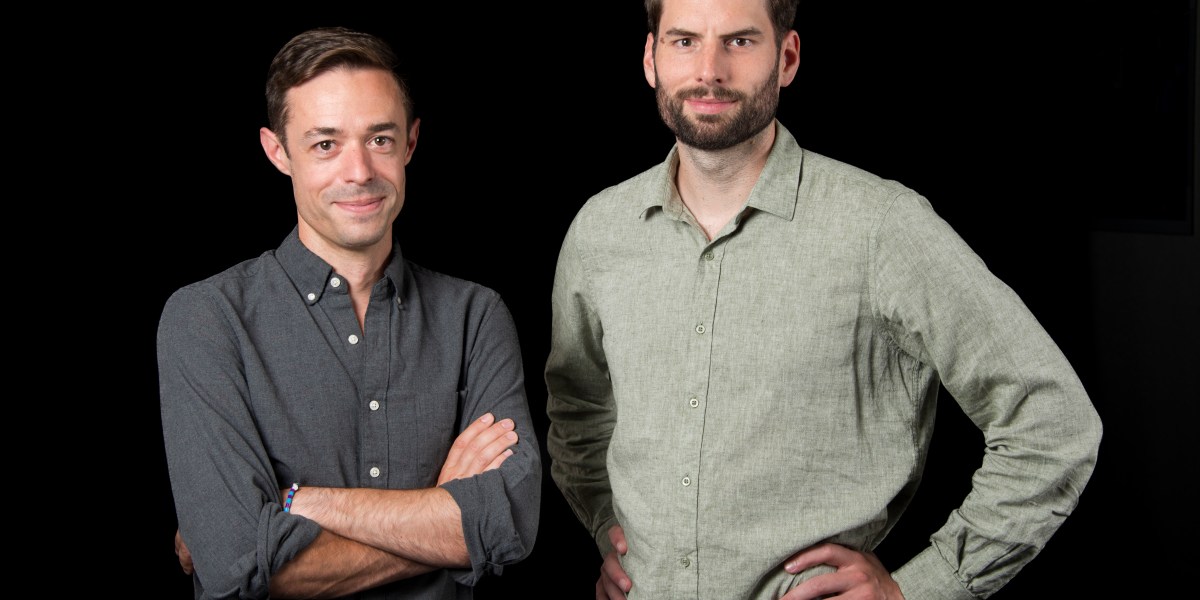
AI-Powered Excavators? Gravis Robotics Secures $23M to Tackle Construction’s Growing Labor Crisis

Gravis Robotics, a Zurich-based startup, just raised $23 million to bring autonomous tech to construction sites facing a massive operator shortage. As demand surges for renewable energy projects, data centers, and new housing, Gravis retrofits traditional heavy machinery with AI-driven systems that can work autonomously or via remote guidance. With trials already underway across seven countries, the company is pushing a future where humans and robots collaborate — speeding up development timelines and reshaping industries from construction to real estate.

Zillow Drops Climate Risk Scores—What It Means for Agents, Buyers, and the Future of Real Estate

Zillow has quietly removed its climate‑risk scores after months of pressure from agents, homeowners, and listing services who said the warnings were scaring off buyers. The move has sparked a national debate: Is this a win for real estate sales or a setback for consumer transparency? Critics warn that without clear climate‑risk data, families could be “flying blind” into costly surprises like insurance spikes and flood damage. As climate impacts intensify and disclosure expectations rise, real estate professionals must stay informed—because whether Zillow shows the data or not, the risks aren’t going anywhere.

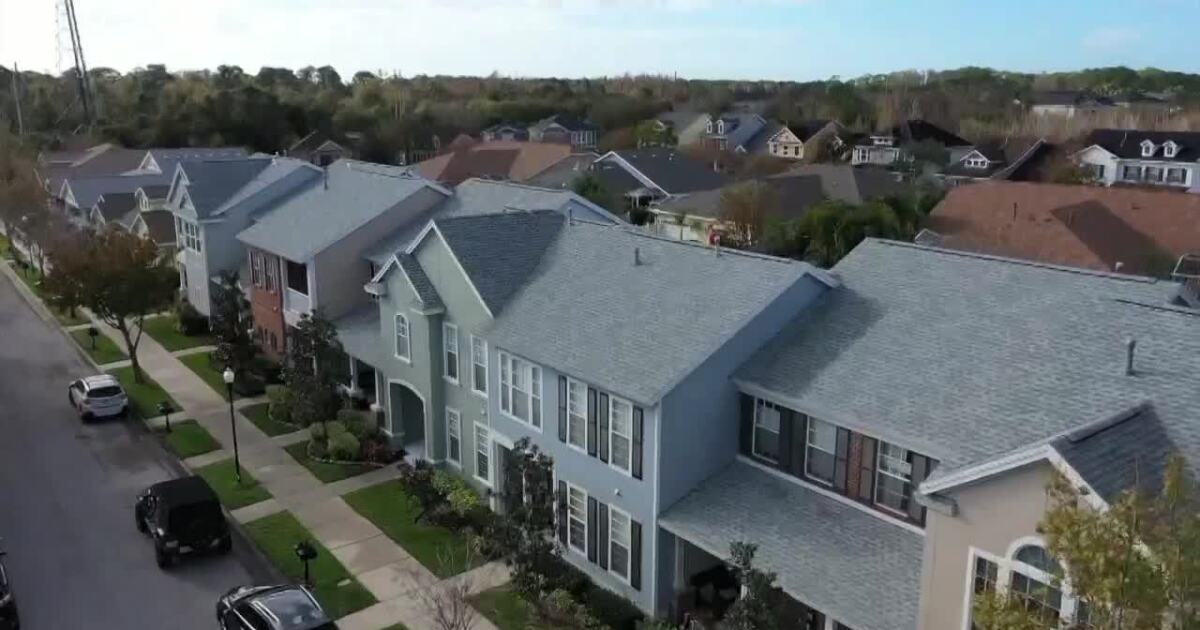
Florida’s Property Insurance Battle Heats Up as 2026 Approaches

Florida’s property insurance crisis is becoming the defining issue heading into the 2026 election season. Republicans argue that recent reforms are finally stabilizing the market, pointing to reduced litigation and cooling reinsurance costs. Democrats counter that families are still facing unbearable premiums, with condo prices dropping over 8% and Floridians paying some of the highest insurance rates in the nation. As lawmakers prepare to return to Tallahassee, the future of insurance reform is set to become the central political fight—one that will directly impact homeowners, investors, and real estate professionals across the state.

The Invisible Backbone Transforming Modern Real Estate

Connectivity has become one of the most powerful differentiators in today’s real estate market. As smart buildings, automation, and sustainability demands accelerate, fiber networks are replacing outdated copper systems and reshaping property value. With lower energy use, unified smart‑building capabilities, reduced long‑term costs, and stronger tenant satisfaction, digital infrastructure is now central to investment strategy. Real estate professionals who understand this shift gain a competitive edge as the industry moves toward cleaner, smarter, more connected buildings.