In a pivotal step towards addressing the intersection of climate change and healthcare, the University of Pennsylvania’s Perelman School of Medicine (PSOM) has introduced the Planetary Health curriculum, spearheaded by Farah Hussain, MD. This innovative program equips medical students with the knowledge to understand and mitigate the effects of climate change on human health.

Farah hussain

Dr. Hussain, who originally found her passion for environmental advocacy during her undergraduate studies with sea anemones, has become a trailblazer in integrating environmental considerations into medical education. Inspired by the stark evidence presented in the Intergovernmental Panel on Climate Change’s reports, Hussain realized the importance of aligning her medical career with ecological preservation.

The curriculum, launched in 2022, enjoys growing momentum, reflecting a broader trend in medical education as institutions like Harvard Medical School and Stanford University’s School of Medicine adopt similar programs. The educational content is seamlessly woven into existing courses at PSOM, where students learn about the direct implications of climate changes—such as extreme weather and pollution—on human health alongside traditional medical subjects.

Aside from core courses, PSOM continues to offer specialized classes like the Climate Change and Health elective, examining the differential impact of environmental changes on vulnerable populations and their healthcare outcomes. This elective delves into how shifts in the ecosystem can influence disease prevalence and respiratory health.

Collaboration is Key


A crucial component of this educational initiative is collaboration. Under Hussain’s guidance, PSOM’s students and faculty collaborate to integrate climate-awareness in various medical disciplines, from Psychiatry to Pulmonology, ensuring that students are well-prepared to tackle these challenges in their professional lives.

Additionally, the thriving student-led Healthcare Sustainability Group leads efforts in pushing beyond classroom learning. Their projects aim to transform healthcare operations, such as creating greener operating rooms, thus reducing the environmental footprint of healthcare services.

From Classroom to Clinical Practice


The curriculum’s next phase will broaden its scope from classroom learning to practical applications during clinical rotations, preparing students to engage with patients directly on environmental factors affecting health and advocating for systemic changes.

As Sarah Wornow and her fellow students champion this vital cause, PSOM remains committed to its institutional goal of becoming the most environmentally friendly healthcare system in the nation. Their comprehensive approach reflects a keen understanding that sustainable practices are essential in preserving both planetary and human health.

For more detailed stories and updates on Penn Medicine’s ongoing sustainability efforts, readers can explore related articles discussing the transformational work in operating rooms, healthcare sustainability goals, and groundbreaking health research on climate change impacts.

More Articles

Getting licensed or staying ahead in your career can be a journey—but it doesn’t have to be overwhelming. Grab your favorite coffee or tea, take a moment to relax, and browse through our articles. Whether you’re just starting out or renewing your expertise, we’ve got tips, insights, and advice to keep you moving forward. Here’s to your success—one sip and one step at a time!

AI Is Reshaping Real Estate: The Tools, Upgrades, and Trends Every Agent Should Be Watching

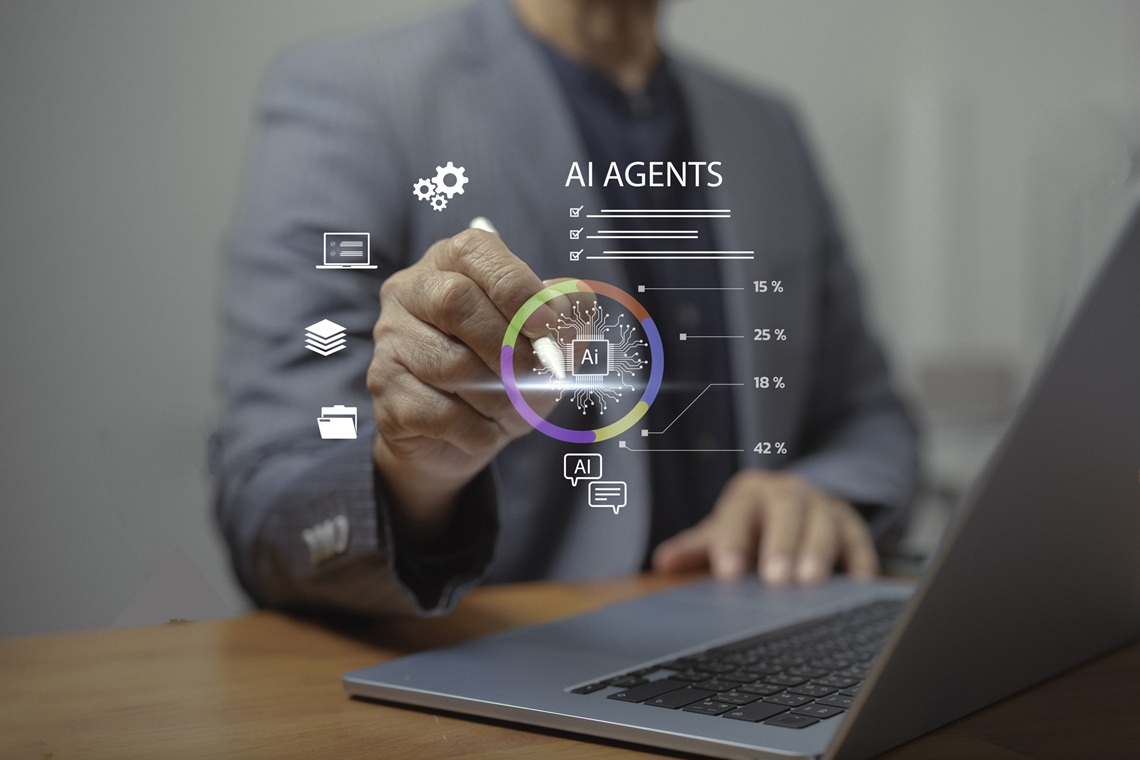
Artificial intelligence is accelerating across the real estate industry, bringing new productivity platforms, smarter MLS systems, cleaner data tools, and AI‑powered consumer guidance. From United Real Estate’s BullseyeAI assistant to Zillow’s integration with Google NotebookLM and major MLS restructures, technology is rapidly reshaping how agents research properties, communicate with clients, and manage daily workflows. For future and current professionals, understanding these tools isn’t optional—it's becoming the new foundation for a competitive real estate career.

New Federal Rule Targets “Dirty Money” in U.S. Real Estate, Reshaping Compliance for Agents Nationwide

A sweeping Treasury Department rule has activated the first nationwide anti–money laundering requirements for residential real estate, forcing professionals involved in closings and settlements to report certain non‑financed property transfers. The move closes long‑standing loopholes that allowed criminals, corrupt officials, and foreign adversaries to hide illicit funds in U.S. housing. Backed by recent federal court decisions, the rule positions the U.S. as a global leader in financial transparency—and signals that commercial real estate may be next. For today’s real estate professionals, staying compliant is becoming just as essential as understanding the market itself.

United Real Estate Launches BullseyeAI, a Game‑Changing AI Suite Built to Supercharge Agent Productivity

United Real Estate has introduced BullseyeAI, a fully integrated AI platform designed to help agents cut overhead, automate daily tasks, and reclaim valuable time. Powered by a proprietary large‑language‑model system, BullseyeAI blends dashboards, navigation, voice commands, and automated assistants into one intelligent workspace. With AI agents like Sofie and Rosie managing client nurturing, recruiting workflows, marketing, data handling, and more, the platform marks a major leap toward faster, smarter productivity for real estate professionals.

Florida City Enforces New Driveway Parking Ban, Leaving Homeowners Facing Surprise Fines

Boynton Beach residents are reeling after a new city ordinance began issuing fines to homeowners for parking on their own property—unless the vehicle sits on an official driveway. The rule bans parking on grass or unpaved areas, shocking families who’ve parked the same way for years. With fines starting at 25 dollars per car and rising if unpaid, many residents say the sudden crackdown is unfair and financially burdensome, sparking a heated debate over property rights and local government authority.

AI and MLS Upgrades Are Reshaping Real Estate Faster Than Ever

From AI assistants like United’s BullseyeAI to MLS upgrades rolling out across the country, real estate professionals are entering a new tech‑driven era. This week’s highlights include smarter productivity tools, unified MLS systems, enhanced data access, and even AI‑powered buyer education through Zillow’s new NotebookLM partnership. Whether you’re a seasoned broker or preparing for your license exam, these innovations show how rapidly the industry is evolving—and why staying informed is becoming essential for success.

AI Is Rewriting the Rules of Real Estate Data—And MLSs Are Scrambling to Keep Up

Artificial intelligence is rapidly moving from a helpful tool to a central force inside real estate transactions, MLS systems, and agent workflows. As AI reshapes everything from listing photos to data distribution, MLSs, regulators, and brokerages are racing to set clear rules that protect consumers and reduce legal risks. With new laws, updated agreements, and rising debates over who should regulate AI, the industry is confronting a defining moment—one that every current and future real estate professional must understand.