“`html

Unlocking Real Estate Wealth in 2025: Strategies for Success

Step into 2025, where the real estate market emerges as a resilient beacon amidst economic unpredictability. Investors are increasingly drawn to secondary cities like Austin and Manchester, attracted by their growth potential, affordability, and enhanced quality of life. These markets promise higher returns, though they come with challenges such as slower sales and liquidity issues.

Sustainability has become the new benchmark in real estate. Eco-friendly properties not only cater to environmentally conscious consumers but also command premium prices. This trend aligns with a broader consumer shift towards green living, emphasizing the importance of energy-efficient buildings.

However, the landscape is not without its hurdles. High interest rates and evolving regulations on short-term rentals in major cities pose significant challenges. Investors must adopt strategic approaches, utilizing innovative financing options and staying informed about local laws to navigate these complexities.

Technology, particularly AI, plays a crucial role in democratizing access to real estate insights. While digital tools enrich market analysis, the nuanced understanding provided by local expertise remains invaluable. No algorithm can fully capture the essence of promising neighborhoods or emerging markets.

For those prepared to decode the complex threads of this year’s market, 2025 offers a rich tapestry of real estate opportunities. By embracing sustainability, leveraging technology, and maintaining an adaptable strategy, investors can harness the wealth potential of this transformative landscape.

For further insights, visit credible real estate websites like the National Association of Realtors or consult a professional financial advisor specializing in real estate.

Additional Resources

“`

More Articles

Getting licensed or staying ahead in your career can be a journey—but it doesn’t have to be overwhelming. Grab your favorite coffee or tea, take a moment to relax, and browse through our articles. Whether you’re just starting out or renewing your expertise, we’ve got tips, insights, and advice to keep you moving forward. Here’s to your success—one sip and one step at a time!

Artificial Intelligence in Diagnostics: A Revolution in Healthcare

The global market for artificial intelligence in diagnostics is poised for remarkable growth, with projections estimating it to reach USD 7.3 billion by 2032.

By |December 10, 2024|Categories: Article, Artificial Intelligence, Healthcare|Tags: , |0 Comments

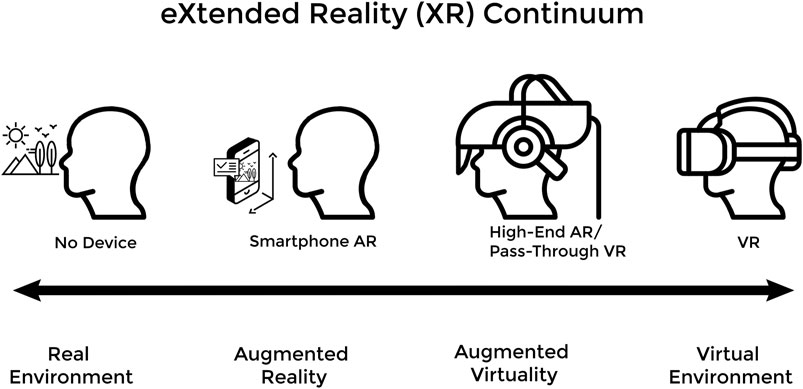
Revolutionizing Medical Education with Extended Reality

In the ever-evolving landscape of medical education, a new player has emerged, promising to revolutionize the way future doctors are trained. The integration of eXtended Reality (XR) technologies is reshaping the educational landscape by addressing the limitations of traditional methods.

Genetic Testing: A New Dawn in Healthcare

Genetic testing represents more than just a scientific advancement; it signifies a fundamental shift in how we approach health and wellness.

Sustainable Architecture: Blending Innovation with Ecological Responsibility

The journey toward sustainable architecture is ongoing, with each project serving as a beacon of what's achievable when creativity meets ecological awareness.

By |December 9, 2024|Categories: Architecture, Article, Sustainability|Tags: |0 Comments

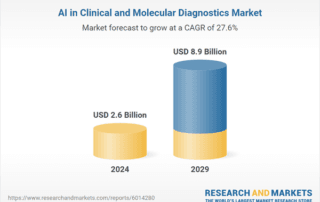
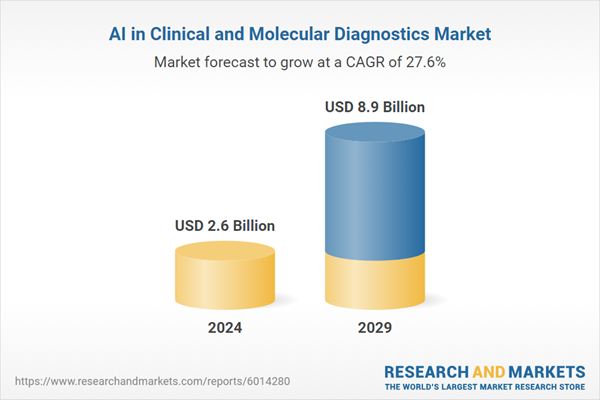
AI in Clinical and Molecular Diagnostics: A Market on the Rise

AI in Clinical and Molecular Diagnostics Market is set to experience remarkable growth, projected to surge from USD 2.6 billion in 2024 to USD 8.9 billion by 2029. This growth is driven by the integration of advanced AI technologies such as machine learning and deep learning into traditional diagnostic methodologies like imaging, genomics, and laboratory testing.

AI: A Revolution in Healthcare’s Future

AI is not a distant dream but a present reality, already integrated into everyday life through virtual assistants like Alexa and Siri. AI shows promise in enhancing medical accuracy, such as in predicting mesothelioma survival and improving colonoscopy accuracy, it is not intended to replace healthcare professionals.