“`html

Unlocking Success: The Best Online Real Estate Courses in New York for 2025

In the bustling world of New York real estate, aspiring agents are seeking the best pathways to success. As the market continues to evolve, the demand for comprehensive and flexible learning options has never been greater. HousingWire has meticulously reviewed the top online real estate courses available in New York State, providing a roadmap for those eager to make their mark in the industry.


Why Choose Online Courses?

For those aiming to become a real estate agent in New York, the journey begins with a mandatory 77-hour prelicensing course followed by the state exam. Online courses offer a unique blend of flexibility, affordability, and accessibility, catering to diverse learning styles and schedules. Whether you’re balancing a full-time job or other commitments, these courses are designed to fit seamlessly into your life.


Top Picks for 2025

HousingWire’s review highlights five standout courses, each offering distinct features to suit various needs:

  • The CE Shop: Known for its intuitive user dashboard and a 5-day free trial, this course offers a pass guarantee and comprehensive exam prep tools.
  • Aceable Agent: Perfect for those on the go, this course provides mobile app access and audio lessons, making learning convenient and flexible.
  • Colibri Real Estate: With a focus on goal tracking and accountability, this course includes study schedules and progress tracking.
  • Kaplan Real Estate Education: Offers robust instructor support with video content and career mentoring opportunities.
  • RealEstateU: A budget-friendly option providing essential courses with a focus on independent study.

Investment in Your Future

While the costs of these courses range from $149 to $909, they represent an investment in a lucrative career. According to Indeed, New York real estate agents earn an average of $105,472 annually. This potential return makes the initial outlay for education a worthwhile consideration.


Preparation is Key

With a pass rate of around 60% for the New York real estate licensing exam, preparation is crucial. The courses recommended by HousingWire provide a variety of study tools, including practice tests, quizzes, and webinars, ensuring that students are well-equipped to succeed on their first attempt.


For more detailed insights and to explore these courses further, visit the original article on HousingWire. This comprehensive guide will help you navigate the options and choose the course that aligns with your career aspirations and learning style.


As you embark on your journey into the dynamic world of New York real estate, remember that the right education is the foundation of your success. With the guidance of these top online courses, you’ll be well on your way to a rewarding and prosperous career.


“`

More Articles

Getting licensed or staying ahead in your career can be a journey—but it doesn’t have to be overwhelming. Grab your favorite coffee or tea, take a moment to relax, and browse through our articles. Whether you’re just starting out or renewing your expertise, we’ve got tips, insights, and advice to keep you moving forward. Here’s to your success—one sip and one step at a time!

Florida Homeowners Finally Get Relief as Gov. DeSantis Announces Significant Insurance Premium Cuts

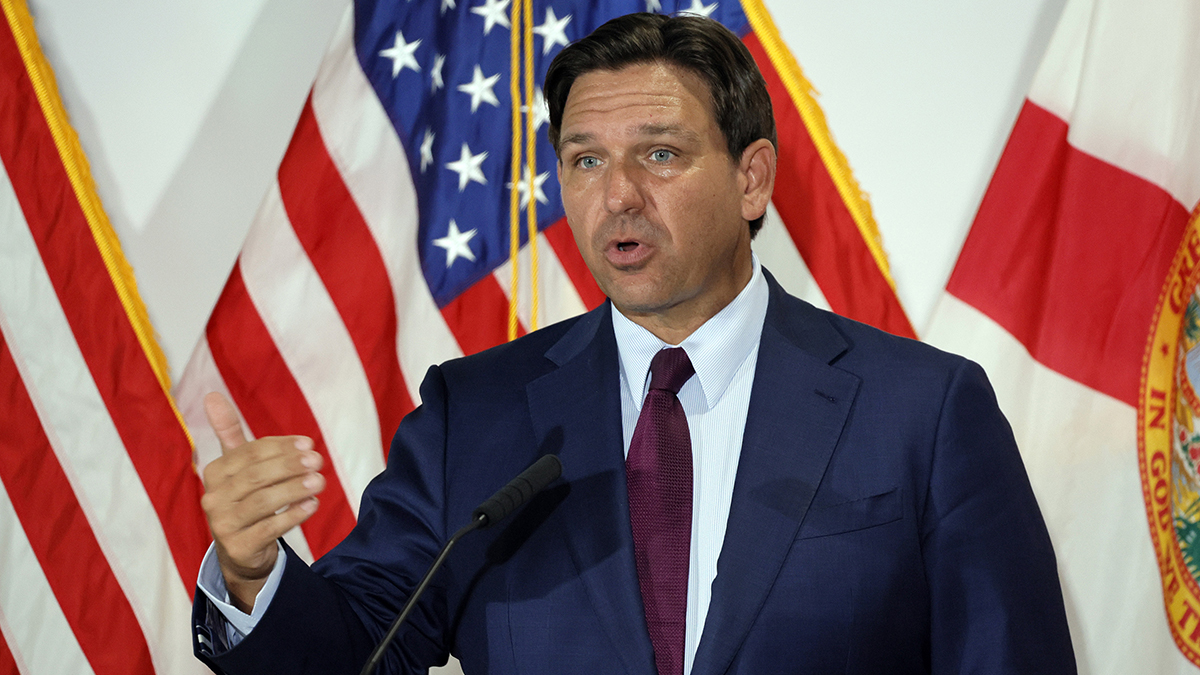
Florida homeowners — especially in hard‑hit South Florida — are set to see rare and substantial reductions in their property insurance premiums. Gov. Ron DeSantis announced an average statewide Citizens Insurance decrease of 8.7%, with even larger savings of up to 14% in counties like Miami-Dade, Broward, and Palm Beach. State officials credit recent legal and regulatory reforms for stabilizing the market, attracting new insurers, and delivering the first meaningful rate relief Floridians have seen in years.

Tampa’s Real Estate Market Enters a Smarter, More Selective Growth Phase

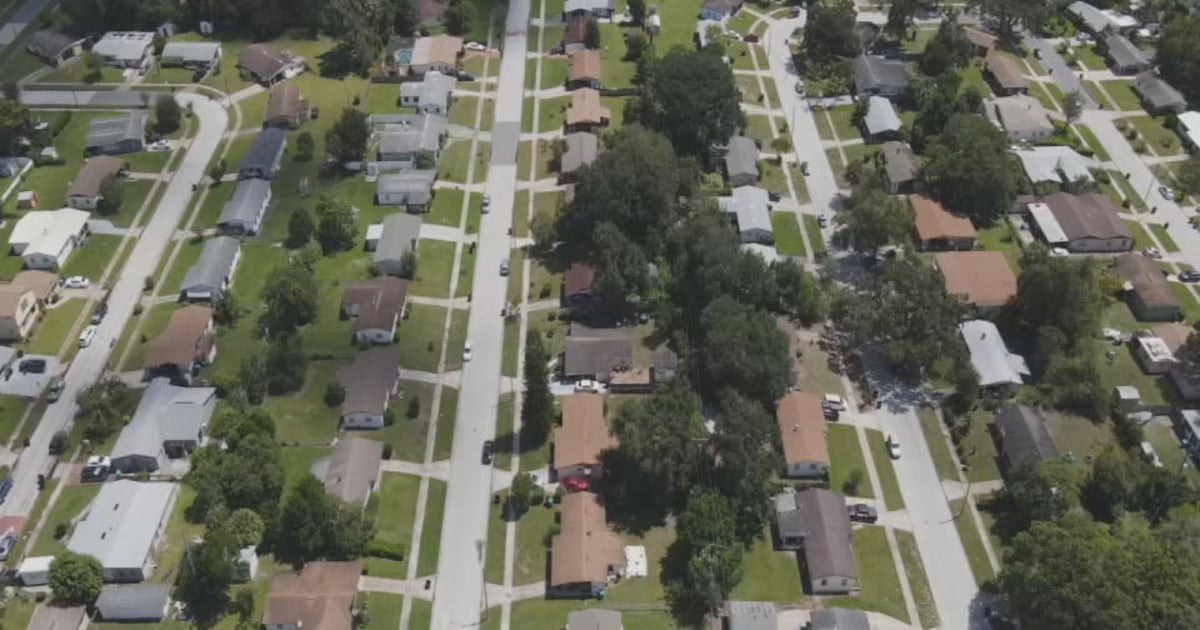
Tampa’s commercial real estate market isn’t slowing—it’s maturing. With strong population growth, rising office demand, a normalized industrial sector, resurgent retail, and an emerging health‑care real estate boom, investors are shifting from speed to strategy. Tighter underwriting, cautious capital and increased due‑diligence are shaping a more disciplined market, creating new opportunities for informed professionals.

Florida Slashes Home Insurance Rates: Biggest Drop in a Decade Sends Shockwaves Through the Market

Florida homeowners are finally seeing relief as Citizens Property Insurance announces a major 8.7% average rate decrease—far larger than originally proposed. Driven by legislative reforms, fewer lawsuits, and a calm hurricane season, the state’s once‑unstable insurance market is showing real signs of recovery. But with reduced coverage limits and shifting legal protections, experts warn that lower premiums may come with hidden trade‑offs.

Florida Homeowners Finally Get Insurance Relief After Years of Soaring Premiums

After a decade of rising premiums and retreating carriers, Florida homeowners are finally seeing long‑awaited relief. Dozens of insurers have filed for rate decreases—some as high as 11%—thanks to legislative reforms and a stabilizing market. Early approvals are already hitting counties across the state, and experts say the momentum could boost buyer confidence, affordability, and competition throughout Florida’s real estate and insurance sectors.

Self‑Storage Investing in 2026: A Market Thaw Opens the Door to Big Opportunities

After years of slowed activity caused by rising interest rates, the self‑storage industry is heating up again. New data from Marcus & Millichap shows a fresh market cycle emerging, driven by renewed buyer confidence, recalibrated pricing, and stronger lender participation. Acquisitions are rebounding, development is resetting in a healthier direction, and financing conditions are improving—creating one of the most promising investment landscapes the sector has seen in years.

Brookline’s Real Flood Risk: What FEMA’s New Maps Reveal—and What They Miss

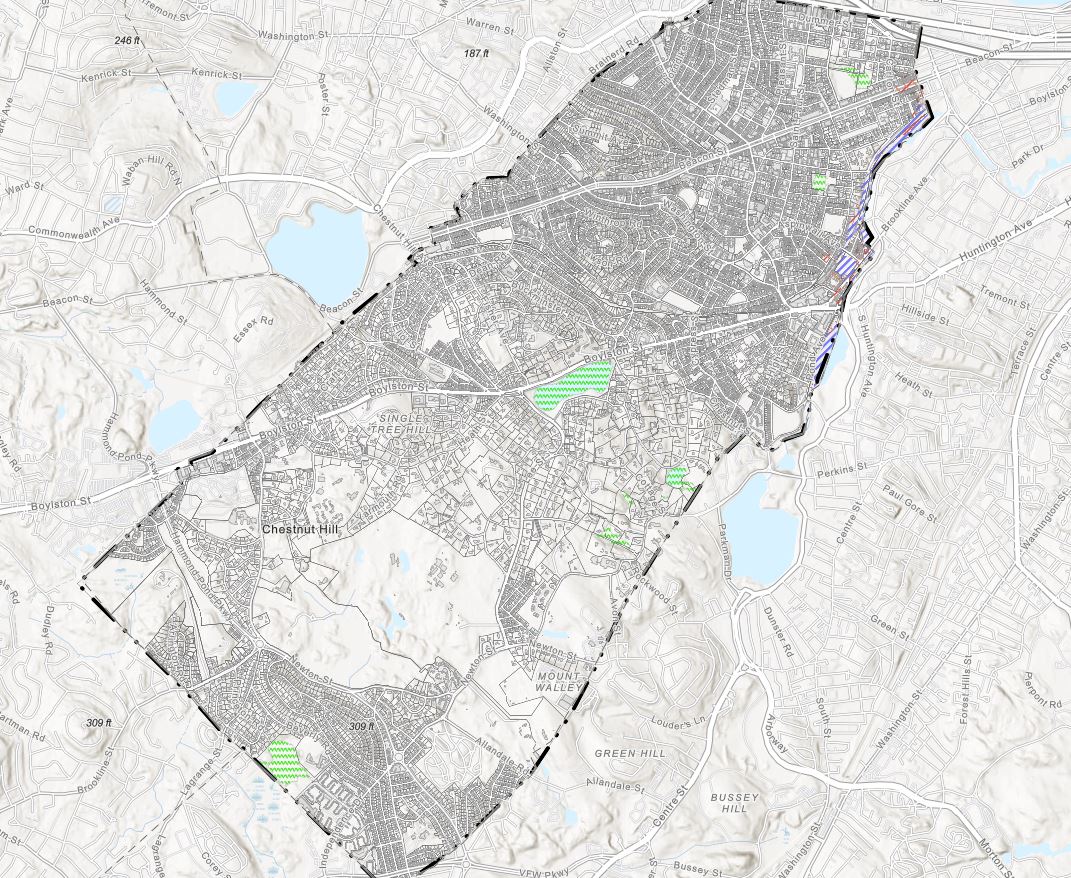
Brookline’s newly updated FEMA flood maps identify 97 high‑risk parcels, but local experts warn the true threat is far greater. While FEMA highlights river‑based flooding around Leverett Pond and the Muddy River, alternative models show more than 1,300 Brookline properties at risk within 30 years. Hidden vulnerabilities along major corridors like Beacon Street, rising rainfall intensity, aging infrastructure, and climate‑driven storm patterns suggest that many “low‑risk” areas may be anything but safe.