In an intriguing exploration of memory, the University of Cambridge’s Memory Lab is shedding light on the intricate workings of our minds. This initiative, led by Professor Jon Simons, delves into the various facets of memory, offering insights into how we can enhance and preserve our cognitive abilities.
“When anxious thoughts flood our minds, they compete for space in our working memory and impair our ability to recall long-term memories. If we can find ways to reduce stress and anxiety, our memory can often bounce back.”
Jon Simons
What exactly is a memory? According to Simons, it’s a complex interplay of brain activities, a skill to hone, and a blueprint for future actions. The Memory Lab invites volunteers to engage in tasks that range from online exercises to MRI scans, all in the quest to decode memory’s mysteries.
If Memory Serves
Memories are biochemical changes that span the brain’s landscape, influenced by factors such as whether a memory is being encoded or reconstructed. The hippocampus plays a crucial role in forming new memories, but long-term storage involves multiple cortical areas.
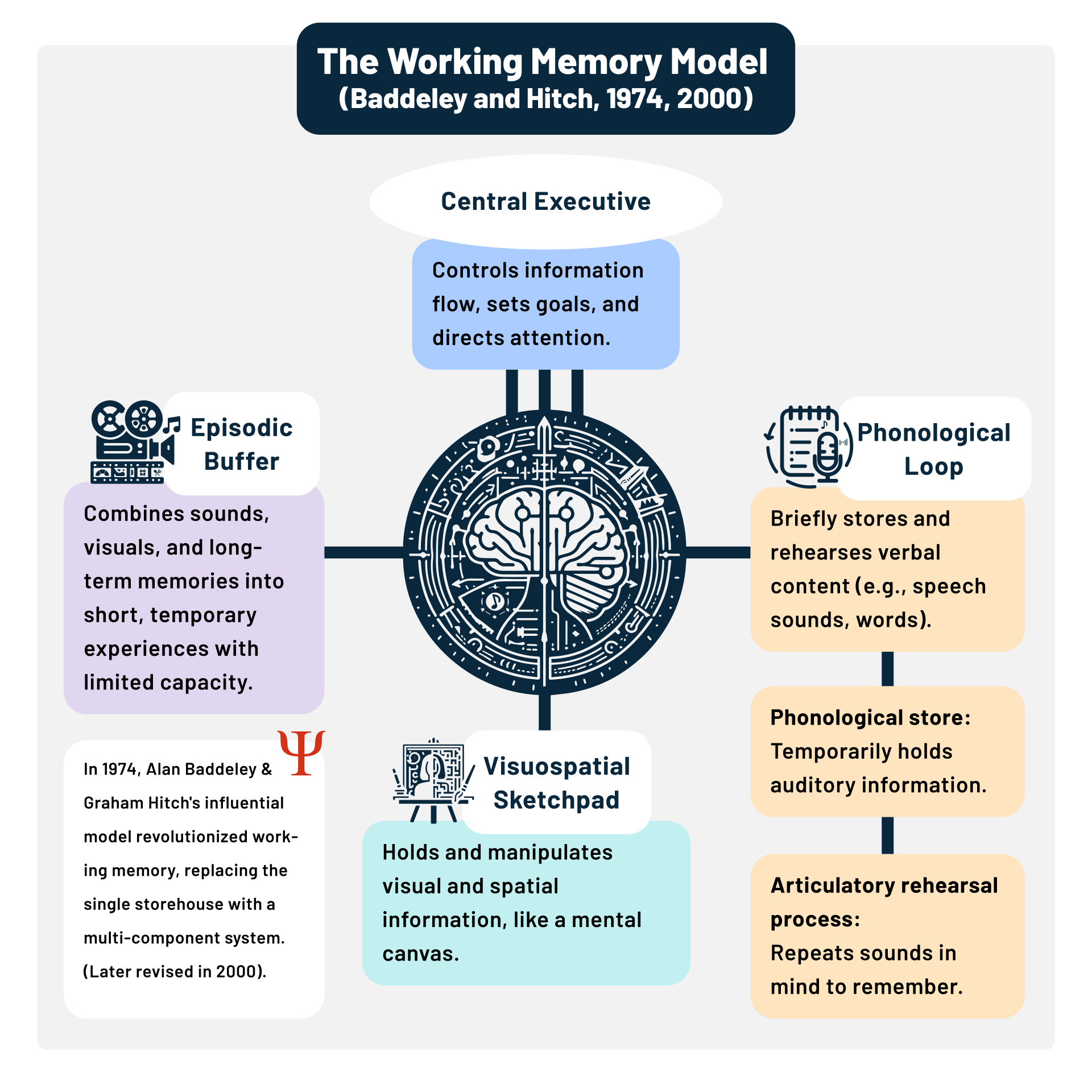
Short-term memory, with its fleeting nature, is limited to about 7 items, as posited by Harvard’s George Miller. Alan Baddeley, a former director at Cambridge’s MRC Applied Psychology Unit, introduced a ‘working memory’ model that distinguishes between different types of short-term memories.
Long-term memories, on the other hand, allow us to ‘mentally time-travel,’ reliving past events with vivid sensory details. Research suggests that memory reconstruction is a creative process influenced by biases and emotions.
Cambridge’s Long Memory
Cambridge’s memory research legacy includes the work of Sir Frederic Bartlett, whose experiments demonstrated how cultural biases shape our recollections. His famous ‘war of the ghosts’ study revealed how students altered story elements to fit their familiar world.
Another pivotal figure, Brenda Milner, studied patient Henry Molaison, whose case highlighted the hippocampus’s role in memory formation. Her work transformed our understanding of memory.
Peak Performance
Simons, alongside Professor Simon Baron-Cohen, is investigating the UK’s top memorisers to uncover the secrets of their exceptional abilities. Preliminary findings suggest that a psychological trait called ‘systemising’ might be linked to superior memory performance.
For those not naturally inclined to ‘systemise,’ there are strategies to boost memory. Mnemonics, for example, involve spatial thinking, akin to the ‘mind palace’ technique used by ancient orators.
Jon Simons advises making memory triggers distinctive, as this helps the brain differentiate between memories. The hippocampus’s role in pattern separation underscores the importance of creating unique memory cues.
The COVID-19 pandemic’s ‘brain fog’ phenomenon illustrates how routine experiences can blur memories. To enrich our lives, we should seek varied experiences and manage stress, as anxiety can reduce cognitive abilities.
For those eager to delve deeper into memory research, Cambridge offers opportunities to participate in studies. To learn more about enhancing mental resilience and combating anxiety, explore resources like Brain Boost by Dr. Barbara Sahakian and Dr. Christelle Langley, or Dr. Olivia Remes’s techniques.
To participate in Memory Lab studies, get in touch.
“`
More Articles
Getting licensed or staying ahead in your career can be a journey—but it doesn’t have to be overwhelming. Grab your favorite coffee or tea, take a moment to relax, and browse through our articles. Whether you’re just starting out or renewing your expertise, we’ve got tips, insights, and advice to keep you moving forward. Here’s to your success—one sip and one step at a time!
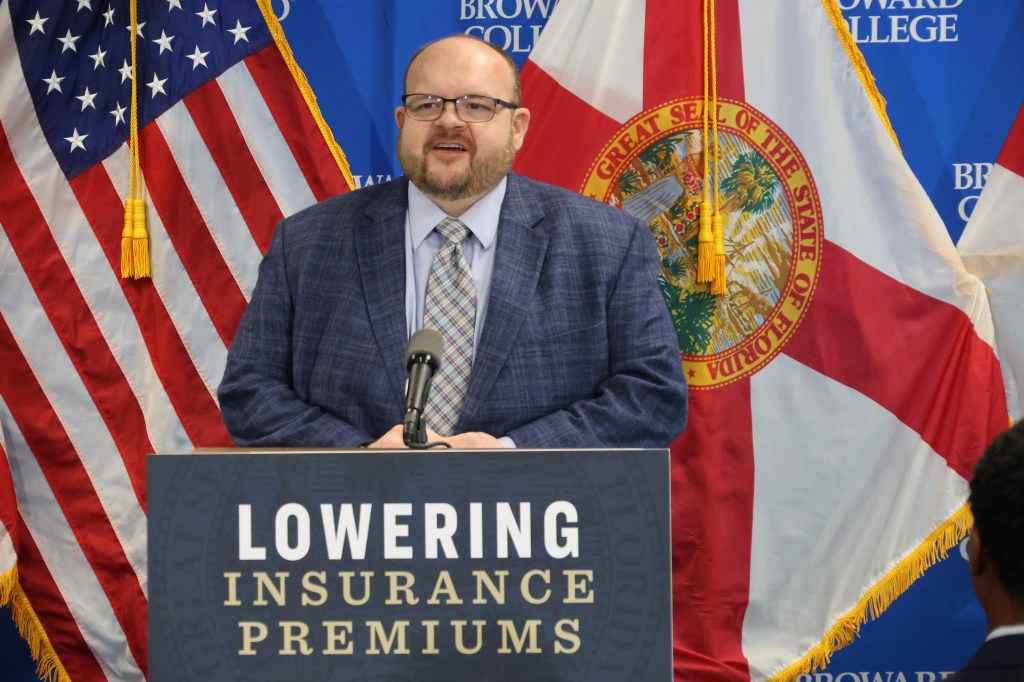
Florida’s property insurance market is finally showing signs of recovery after years of soaring premiums, litigation chaos, and insurer withdrawals. With rate increases now the lowest in the nation, Citizens Insurance shrinking, and new carriers re‑entering the state, Insurance Commissioner Michael Yaworsky says the market is turning a corner. But while stabilization is underway, many homeowners are still asking why premiums haven’t dropped—and the answer lies in skyrocketing replacement costs, not rates. As reforms continue and AI, transparency rules, and mitigation incentives expand, real estate and insurance professionals should prepare for an evolving landscape that directly impacts affordability, buyer behavior, and long‑term market confidence.
In a candid conversation with Mortgage Professional America, NAMB president Kimber White lays out a series of structural reforms aimed at restoring homeownership access for millions of Americans. From revitalizing down payment assistance to rethinking loan-level price adjustments and incentivizing builders, White argues that meaningful affordability relief is achievable—but only through coordinated policy changes that address both costs and inventory shortages.
Artificial intelligence is rapidly transforming the insurance world, but a major power struggle is unfolding over who gets to regulate it. As insurers adopt AI at record speed, state regulators and the federal government are clashing over oversight authority—especially after a new executive order aims to put Washington in charge. With states pushing back and new evaluation tools on the horizon, the future of AI in insurance is becoming one of the biggest regulatory battles professionals need to watch.
A new CBRE Investor Intentions Survey shows that 2026 is shaping up to be a strong year for commercial real estate, with 95 percent of investors planning to buy more assets and over half increasing their capital allocation. Stabilizing pricing, improving market fundamentals, and expectations of cooling debt costs are driving renewed optimism as investors target high‑growth markets like Dallas, Atlanta, Tampa, and Charlotte, while doubling down on multifamily, industrial, and value‑add strategies.
Lofty has introduced Lofty AOS, the first agentic AI operating system built to autonomously manage real estate workflows—from lead engagement to marketing, transactions, and website creation. Unlike traditional AI that waits for prompts, Lofty’s system operates like a full digital workforce, coordinating tasks across specialized AI agents. As this technology transforms daily operations for agents and brokerages, professionals with strong training and licensing will become even more essential.
The Federal Reserve has started 2026 by keeping interest rates unchanged, despite political pressure, stubborn inflation, and a cooling job market. While consumers don’t pay the federal funds rate directly, its effects ripple through mortgages, credit cards, auto loans, and savings accounts. Mortgage affordability remains tight, credit card APRs are easing slowly, auto loan balances are climbing, and savings yields are one of the few bright spots. For real estate, mortgage, and finance professionals, understanding these shifts is essential as the market braces for another complex year.