In an intriguing exploration of memory, the University of Cambridge’s Memory Lab is shedding light on the intricate workings of our minds. This initiative, led by Professor Jon Simons, delves into the various facets of memory, offering insights into how we can enhance and preserve our cognitive abilities.
“When anxious thoughts flood our minds, they compete for space in our working memory and impair our ability to recall long-term memories. If we can find ways to reduce stress and anxiety, our memory can often bounce back.”
Jon Simons
What exactly is a memory? According to Simons, it’s a complex interplay of brain activities, a skill to hone, and a blueprint for future actions. The Memory Lab invites volunteers to engage in tasks that range from online exercises to MRI scans, all in the quest to decode memory’s mysteries.
If Memory Serves
Memories are biochemical changes that span the brain’s landscape, influenced by factors such as whether a memory is being encoded or reconstructed. The hippocampus plays a crucial role in forming new memories, but long-term storage involves multiple cortical areas.
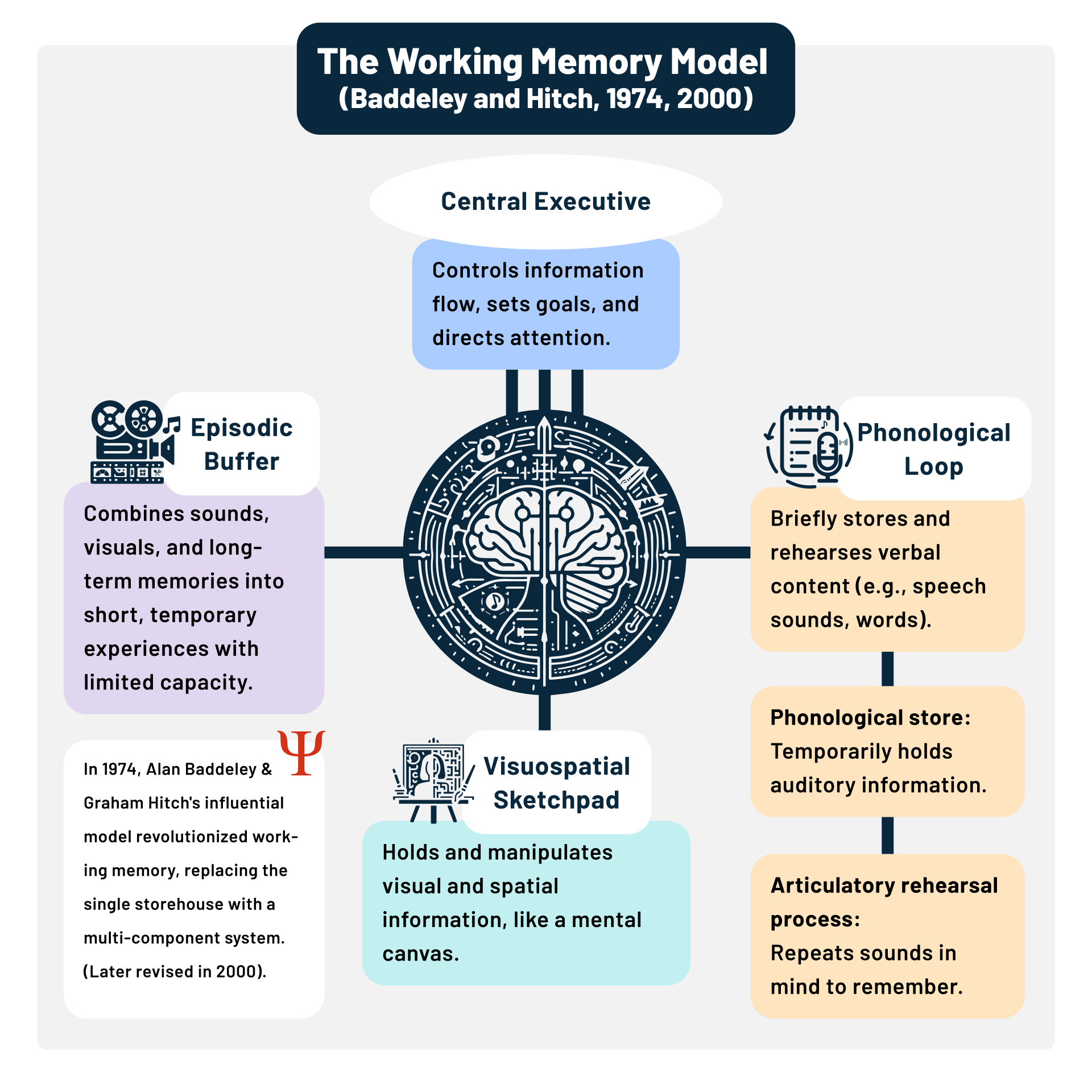
Short-term memory, with its fleeting nature, is limited to about 7 items, as posited by Harvard’s George Miller. Alan Baddeley, a former director at Cambridge’s MRC Applied Psychology Unit, introduced a ‘working memory’ model that distinguishes between different types of short-term memories.
Long-term memories, on the other hand, allow us to ‘mentally time-travel,’ reliving past events with vivid sensory details. Research suggests that memory reconstruction is a creative process influenced by biases and emotions.
Cambridge’s Long Memory
Cambridge’s memory research legacy includes the work of Sir Frederic Bartlett, whose experiments demonstrated how cultural biases shape our recollections. His famous ‘war of the ghosts’ study revealed how students altered story elements to fit their familiar world.
Another pivotal figure, Brenda Milner, studied patient Henry Molaison, whose case highlighted the hippocampus’s role in memory formation. Her work transformed our understanding of memory.
Peak Performance
Simons, alongside Professor Simon Baron-Cohen, is investigating the UK’s top memorisers to uncover the secrets of their exceptional abilities. Preliminary findings suggest that a psychological trait called ‘systemising’ might be linked to superior memory performance.
For those not naturally inclined to ‘systemise,’ there are strategies to boost memory. Mnemonics, for example, involve spatial thinking, akin to the ‘mind palace’ technique used by ancient orators.
Jon Simons advises making memory triggers distinctive, as this helps the brain differentiate between memories. The hippocampus’s role in pattern separation underscores the importance of creating unique memory cues.
The COVID-19 pandemic’s ‘brain fog’ phenomenon illustrates how routine experiences can blur memories. To enrich our lives, we should seek varied experiences and manage stress, as anxiety can reduce cognitive abilities.
For those eager to delve deeper into memory research, Cambridge offers opportunities to participate in studies. To learn more about enhancing mental resilience and combating anxiety, explore resources like Brain Boost by Dr. Barbara Sahakian and Dr. Christelle Langley, or Dr. Olivia Remes’s techniques.
To participate in Memory Lab studies, get in touch.
Select options
This product has multiple variants. The options may be chosen on the product page
Details
More Articles
Getting licensed or staying ahead in your career can be a journey—but it doesn’t have to be overwhelming. Grab your favorite coffee or tea, take a moment to relax, and browse through our articles. Whether you’re just starting out or renewing your expertise, we’ve got tips, insights, and advice to keep you moving forward. Here’s to your success—one sip and one step at a time!
The debut episode of NAR’s Change Agents podcast highlights why real estate expertise is more valuable than ever in an AI-driven world. eXp Realty CEO Leo Pareja explains that while technology accelerates communication and connections, consumers still rely on seasoned professionals to guide them through life’s biggest financial decisions. From the Everest analogy to real-world AI success stories, the conversation reveals how trust, transparency, and expert guidance remain the core of the real estate experience.
U.S. 30‑year mortgage rates have dipped to 5.98%, breaking below 6% for the first time since 2022. This third consecutive weekly decline signals a potentially energized spring buying season as lower Treasury yields and easing market anxiety push rates down. Buyers, sellers, and real estate professionals may see renewed activity as affordability slightly improves and refinancing picks up momentum.
A sweeping federal reporting requirement is about to impact how companies, trusts, investors, and even cash buyers purchase residential real estate. FinCEN’s new rule closes long‑standing loopholes that allowed anonymous all‑cash property deals, requiring many entity-based buyers to disclose their true beneficial owners. Real estate agents, brokers, and advisors should brace for workflow changes and increased compliance responsibilities, while investors are urged to review their acquisition structures now to avoid delays once the rule takes effect.
After briefly dipping below 6 percent for the first time in years, mortgage rates have surged again following U.S.-Israeli military strikes on Iran. Rising oil prices and a jump in Treasury yields have pushed the average 30-year fixed rate back to 6.12 percent, creating fresh uncertainty just as the spring housing market was gaining traction. Experts warn that continued geopolitical instability could keep rates elevated, while upcoming U.S. employment data may determine whether relief is on the horizon for buyers and sellers.
New 2026 data reveals that the average life insurance policy costs just 26 dollars a month—less than most lunch outings—making it more affordable than many professionals expect. Rates vary based on age, health, gender, smoking habits, and term length, with younger and healthier applicants paying significantly less. As real estate, mortgage, insurance, and finance professionals plan long-term financial stability, understanding these pricing factors is crucial.