Transforming Boston’s Schools: A Simple Yet Powerful Idea
On a bright spring morning at John Hay Community Academy in Chicago, a scene unfolds that could hold the key to transforming Boston’s public schools. Three first-graders, Faye, Ka’mari, and A’Kyng, are eagerly participating in a high-dosage tutoring session. This method, which involves intensive, individualized instruction, has shown remarkable promise in improving academic performance.
Just across the hall, Felicia Mason, a dedicated member of the school district’s Tutor Corps, is guiding her young charges through a series of words. With each correct pronunciation, the children’s excitement grows—a testament to the effectiveness of this educational intervention.
High-dosage tutoring is not just another educational fad; it is backed by extensive research. Studies have demonstrated that this approach can significantly enhance learning outcomes, often outperforming other popular strategies like extended school days or summer programs. In fact, a pair of randomized control trials conducted in Chicago a decade ago found that high-dosage tutoring doubled or tripled the learning of low-income Black and Latino high school students.
The COVID-19 pandemic provided a unique opportunity to test the scalability of this intervention. With federal funding pouring into academic recovery, districts across the country, including Boston, were encouraged to adopt evidence-based strategies like high-dosage tutoring. While some states and districts have embraced this approach, Boston has yet to make it a priority.
The Boston Connection
Interestingly, Boston is the birthplace of the high-dosage tutoring movement. Match Charter Public High School, which opened at the turn of the century, pioneered this approach. By employing a “Match Corps” of live-in tutors, the school transformed its student body into one of the highest achieving in the state.
Despite its origins, Boston has not fully embraced high-dosage tutoring in its public schools. The city has experimented with the intervention in a small number of schools, but it has not been prioritized. With a wealth of underutilized school buildings and a rich philanthropic infrastructure, Boston is well-positioned to implement a robust high-dosage tutoring program.
The Boston Globe editorial board argues that Boston should seriously consider investing in high-quality, high-dosage tutoring. The potential benefits are immense—not only in terms of academic achievement but also in addressing long-standing achievement gaps between white students and students of color.
Scaling Up
Scaling up high-dosage tutoring presents challenges, particularly in terms of cost and labor. However, innovative solutions, such as remote and hybrid tutoring models, offer promising pathways to expand these programs. By leveraging technology, districts can tap into a wider pool of qualified tutors, thereby reducing costs and increasing reach.
In Chicago, for example, the district has partnered with Saga Education to implement a hybrid tutoring model. This approach combines self-guided computer lessons with live, remote tutoring sessions, allowing more students to benefit from high-dosage tutoring.
As Boston considers its educational future, it would do well to learn from these examples. By investing in high-dosage tutoring, the city can provide its students with the best learning conditions possible. The potential for transformative change is within reach—Boston just needs to take the leap.
More Articles
Getting licensed or staying ahead in your career can be a journey—but it doesn’t have to be overwhelming. Grab your favorite coffee or tea, take a moment to relax, and browse through our articles. Whether you’re just starting out or renewing your expertise, we’ve got tips, insights, and advice to keep you moving forward. Here’s to your success—one sip and one step at a time!
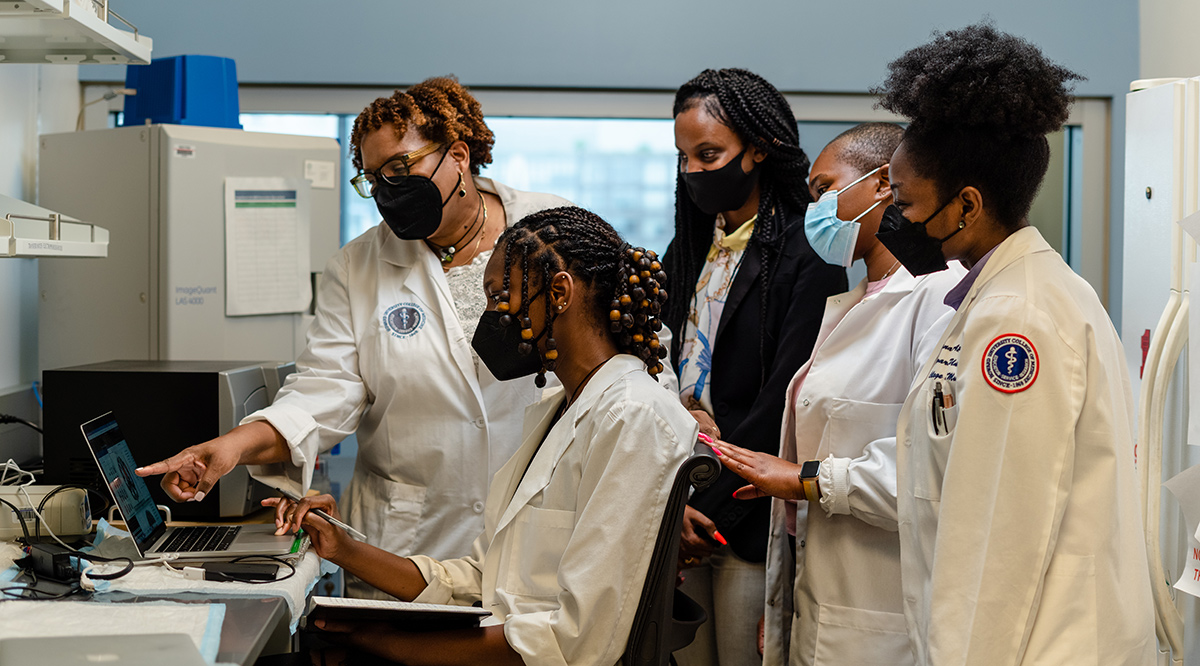
The Association of American Medical Colleges (AAMC) reports that while breast cancer mortality has decreased, Black women still face a 40% higher death rate compared to their White counterparts. This inequity is partly due to the fact that Black women are less frequently offered genetic screenings that could potentially save their lives.
In the rapidly evolving landscape of healthcare, two fields stand at the forefront of innovation: MedTech and BioTech. While both are pivotal in enhancing patient care, they operate in distinct domains.
The nanomedicine market is set to experience a remarkable expansion, projected to surge from USD 223.6 billion in 2023 to a staggering USD 634.2 billion by 2032.
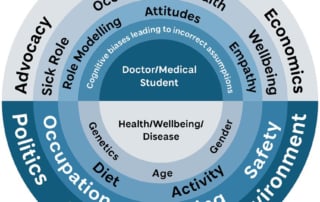
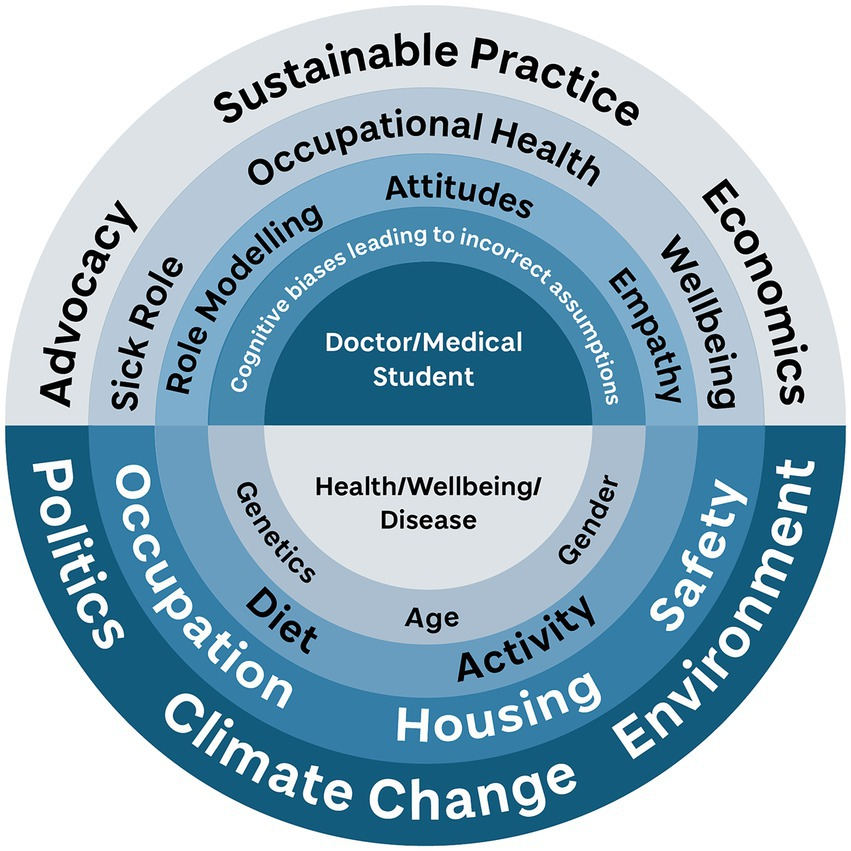
In a world where healthcare and its education are undergoing seismic shifts, the University of Dundee is pioneering a transformative approach. The institution is integrating public health into its medical curriculum, responding to the rapid technological, political, and social changes reshaping the medical landscape.