Transforming Boston’s Schools: A Simple Yet Powerful Idea
On a bright spring morning at John Hay Community Academy in Chicago, a scene unfolds that could hold the key to transforming Boston’s public schools. Three first-graders, Faye, Ka’mari, and A’Kyng, are eagerly participating in a high-dosage tutoring session. This method, which involves intensive, individualized instruction, has shown remarkable promise in improving academic performance.
Just across the hall, Felicia Mason, a dedicated member of the school district’s Tutor Corps, is guiding her young charges through a series of words. With each correct pronunciation, the children’s excitement grows—a testament to the effectiveness of this educational intervention.
High-dosage tutoring is not just another educational fad; it is backed by extensive research. Studies have demonstrated that this approach can significantly enhance learning outcomes, often outperforming other popular strategies like extended school days or summer programs. In fact, a pair of randomized control trials conducted in Chicago a decade ago found that high-dosage tutoring doubled or tripled the learning of low-income Black and Latino high school students.
The COVID-19 pandemic provided a unique opportunity to test the scalability of this intervention. With federal funding pouring into academic recovery, districts across the country, including Boston, were encouraged to adopt evidence-based strategies like high-dosage tutoring. While some states and districts have embraced this approach, Boston has yet to make it a priority.
The Boston Connection
Interestingly, Boston is the birthplace of the high-dosage tutoring movement. Match Charter Public High School, which opened at the turn of the century, pioneered this approach. By employing a “Match Corps” of live-in tutors, the school transformed its student body into one of the highest achieving in the state.
Despite its origins, Boston has not fully embraced high-dosage tutoring in its public schools. The city has experimented with the intervention in a small number of schools, but it has not been prioritized. With a wealth of underutilized school buildings and a rich philanthropic infrastructure, Boston is well-positioned to implement a robust high-dosage tutoring program.
The Boston Globe editorial board argues that Boston should seriously consider investing in high-quality, high-dosage tutoring. The potential benefits are immense—not only in terms of academic achievement but also in addressing long-standing achievement gaps between white students and students of color.
Scaling Up
Scaling up high-dosage tutoring presents challenges, particularly in terms of cost and labor. However, innovative solutions, such as remote and hybrid tutoring models, offer promising pathways to expand these programs. By leveraging technology, districts can tap into a wider pool of qualified tutors, thereby reducing costs and increasing reach.
In Chicago, for example, the district has partnered with Saga Education to implement a hybrid tutoring model. This approach combines self-guided computer lessons with live, remote tutoring sessions, allowing more students to benefit from high-dosage tutoring.
As Boston considers its educational future, it would do well to learn from these examples. By investing in high-dosage tutoring, the city can provide its students with the best learning conditions possible. The potential for transformative change is within reach—Boston just needs to take the leap.
More Articles
Getting licensed or staying ahead in your career can be a journey—but it doesn’t have to be overwhelming. Grab your favorite coffee or tea, take a moment to relax, and browse through our articles. Whether you’re just starting out or renewing your expertise, we’ve got tips, insights, and advice to keep you moving forward. Here’s to your success—one sip and one step at a time!
The title insurance industry is entering 2026 with a renewed focus on technology, operational efficiency, and stronger agent support after years of volatility. Leaders from major underwriters report rising transaction activity, improved affordability, and a surge in automation and fraud‑prevention tools—signs that smarter systems and better training will define the next wave of growth.
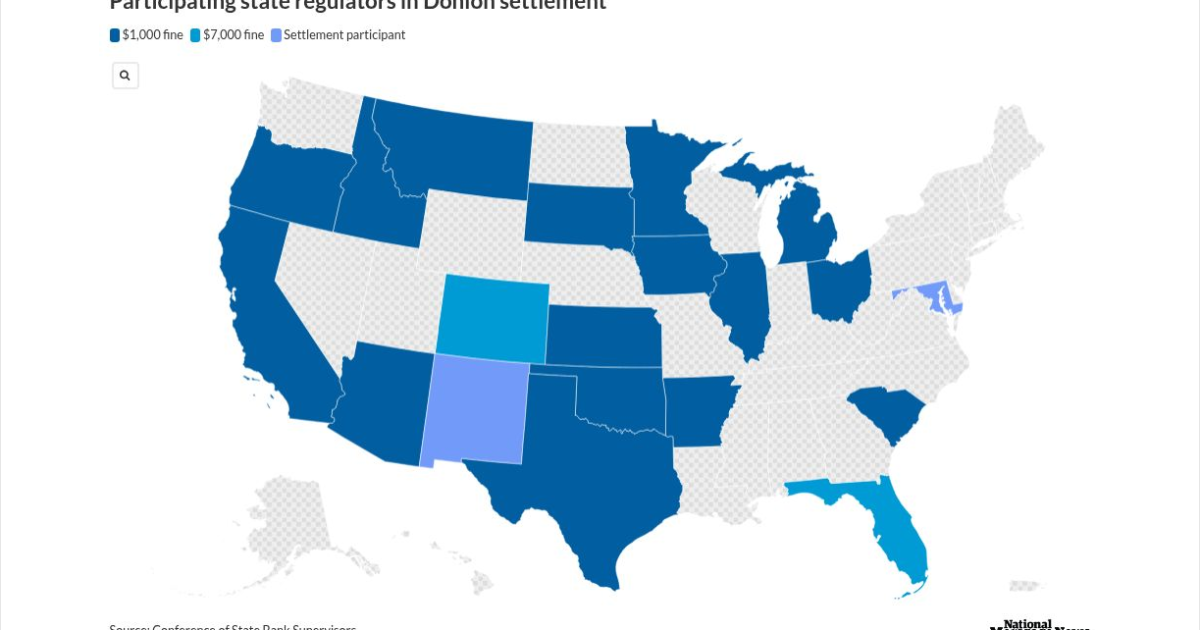
A multistate crackdown has sent shockwaves through the mortgage industry as Patrick Terrance Donlon, CEO of Trusted American Mortgage, accepted a sweeping settlement that bans him from working as a mortgage loan originator in 21 states—19 of them permanently. Regulators say Donlon had another individual complete his mandatory licensing and continuing‑education courses, a violation that triggered a coordinated investigation and a $31,000 penalty. The case underscores regulators’ growing intolerance for education fraud and serves as a sharp reminder to industry professionals: cutting corners on licensing can end careers.
Florida’s once‑booming housing market is cooling fast as rising insurance premiums, increasing foreclosures, and expanding flood zones push buyers to back out of deals and force sellers to cut prices. With insurance now adding thousands to annual housing costs, professionals across real estate, mortgage, and insurance are navigating a dramatically shifting landscape that’s redefining affordability in the Sunshine State.
Florida begins 2026 with a wave of more than 250 new laws now in effect, impacting healthcare, insurance, real estate, and consumer protections statewide. From free breast cancer screenings for state employees to tighter pet insurance regulations, mandatory healthcare refund rules, enhanced animal‑cruelty penalties, and new condo‑management requirements, these updates carry major implications for professionals navigating Florida’s evolving regulatory landscape.
Florida’s barrier islands may offer postcard-perfect beaches and soaring real estate demand, but they’re also some of the most fragile and costly places to build in the United States. With 765,000 residents living on land that shifts, sinks, and takes the brunt of every major hurricane, the financial and insurance risks are accelerating fast. From billion‑dollar beach rebuilds to towers settling into the sand, today’s coastal development challenges are reshaping conversations around property values, disclosure, and long‑term resilience. For real estate professionals, understanding these risks isn’t just smart — it’s becoming essential.
A Cedar City development is turning heads with its fresh approach to affordability. The team behind Temple View Commons is delivering luxury‑inspired twin homes at prices below the local median by using a small, hands‑on staff and cutting traditional costs like realtor commissions. In a tight Utah housing market where inventory is scarce and prices remain high, their strategy offers a realistic path to homeownership without sacrificing high‑end finishes.


 Title Insurance Leaders Double Down on Tech and Efficiency to Drive 2026 Market Momentum Gallery