In the bustling realm of Ontario’s housing market, modular construction is emerging as a beacon of hope amid a pressing demand for new homes. However, as Albert Bendersky, vice-president of design at Hamilton’s BECC Modular Solutions, points out, several barriers must be dismantled to fully harness this innovative construction method.
Chief among these obstacles is the absence of formal pre-approval or recognition by provincial and municipal authorities for standardized modular units. The existing building code, described as inflexible, does not yet accommodate the revolutionary technologies that modular construction could bring to the fore.
In an effort to bridge these understanding gaps, BECC recently hosted a group of planners at its facility, coinciding with the annual Ontario Professional Planners Institute conference. During this event, Bendersky emphasized the potential of modular construction to meet various municipal and aesthetic requirements, stating, “We can achieve the same results that have been achieved before,” advocating for a shift towards new technological solutions in the sector.
BECC — An executive with BECC modular solutions recently explained that non-modular areas of a manufactured home typically include foundations, structural cores such as staircases and elevator shafts, and large open public zones with flexible use areas. Often it is easier to leave the ground floor fully traditional.
The essence of resolving the housing crisis, Bendersky asserts, lies in the mass-production of high-quality buildings. This involves integrating 21st-century industrial technologies akin to those used in automobile and electronics manufacturing. BECC, for instance, leverages Hamilton’s high-grade steel as a key component in their process, although other materials like wood or concrete are also viable.
The manufacturing process at BECC begins with pre-cut and pre-drilled steel parts, assembling modules complete with wiring, piping, insulation, and more. This modular approach aims to significantly reduce time and costs, paralleling modern industrial efficiency.
Bendersky highlighted a current project for a California client to illustrate the efficiency of modular construction when supported by an effective approvals system. Unlike Ontario’s layered planning and political processes, California’s system allows for streamlined approvals, enabling projects to proceed without repetitive bureaucratic hurdles.
To truly enhance the adoption of modular construction in Ontario, Bendersky suggests the development of a pre-approval system by large municipalities. Such a system would expedite projects by alleviating some of the red tape associated with building permits, especially for small to mid-size developments.
The integration of new technologies into the building code is essential, as existing codes hinder progress by not recognizing the capabilities of modern construction methods, Bendersky explained.
In conclusion, BECC is on the cusp of further technological advancement with plans to introduce robotic systems, poised to enhance manufacturing speed and efficiency. As the industry becomes more sophisticated, sustainable construction standards like Passive Haus and net-zero should become achievable goals, mirroring traditional building achievements.
Despite these challenges, the sector is advancing rapidly with the help of Building Information Modelling (BIM) platforms and AI tools, enabling a more scientific approach to construction. Follow Don Wall on X/Twitter for ongoing updates in this rapidly evolving field.
More Articles
Getting licensed or staying ahead in your career can be a journey—but it doesn’t have to be overwhelming. Grab your favorite coffee or tea, take a moment to relax, and browse through our articles. Whether you’re just starting out or renewing your expertise, we’ve got tips, insights, and advice to keep you moving forward. Here’s to your success—one sip and one step at a time!
The title insurance industry is entering 2026 with a renewed focus on technology, operational efficiency, and stronger agent support after years of volatility. Leaders from major underwriters report rising transaction activity, improved affordability, and a surge in automation and fraud‑prevention tools—signs that smarter systems and better training will define the next wave of growth.
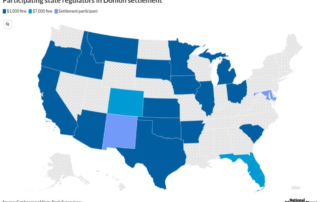
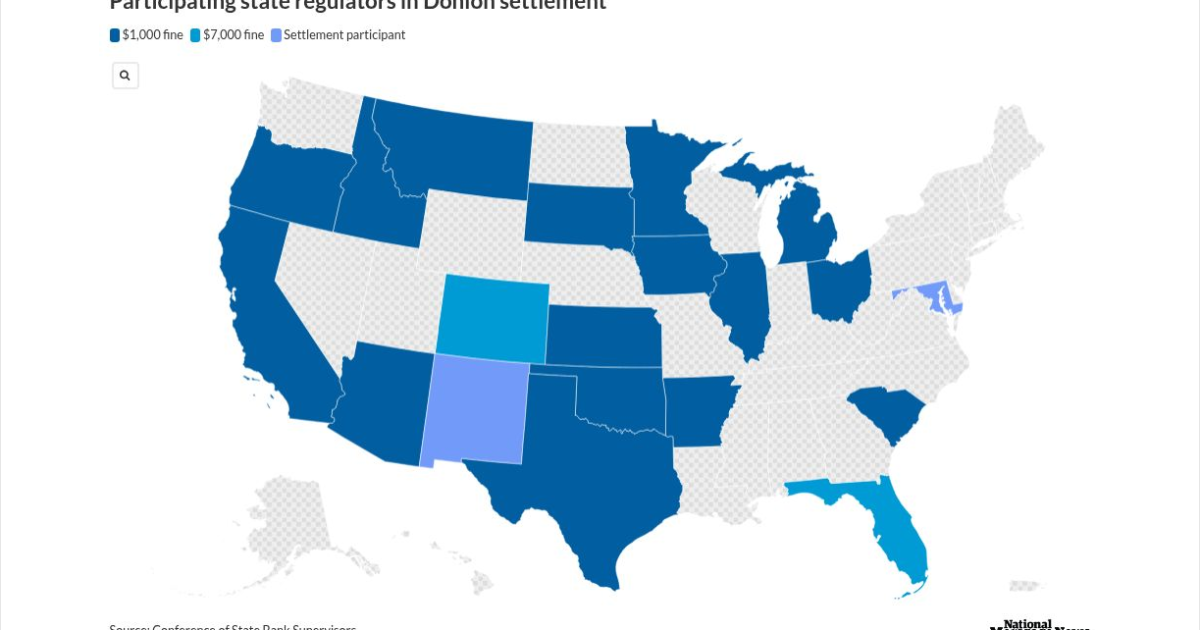
A multistate crackdown has sent shockwaves through the mortgage industry as Patrick Terrance Donlon, CEO of Trusted American Mortgage, accepted a sweeping settlement that bans him from working as a mortgage loan originator in 21 states—19 of them permanently. Regulators say Donlon had another individual complete his mandatory licensing and continuing‑education courses, a violation that triggered a coordinated investigation and a $31,000 penalty. The case underscores regulators’ growing intolerance for education fraud and serves as a sharp reminder to industry professionals: cutting corners on licensing can end careers.
Florida’s once‑booming housing market is cooling fast as rising insurance premiums, increasing foreclosures, and expanding flood zones push buyers to back out of deals and force sellers to cut prices. With insurance now adding thousands to annual housing costs, professionals across real estate, mortgage, and insurance are navigating a dramatically shifting landscape that’s redefining affordability in the Sunshine State.
Florida begins 2026 with a wave of more than 250 new laws now in effect, impacting healthcare, insurance, real estate, and consumer protections statewide. From free breast cancer screenings for state employees to tighter pet insurance regulations, mandatory healthcare refund rules, enhanced animal‑cruelty penalties, and new condo‑management requirements, these updates carry major implications for professionals navigating Florida’s evolving regulatory landscape.
Florida’s barrier islands may offer postcard-perfect beaches and soaring real estate demand, but they’re also some of the most fragile and costly places to build in the United States. With 765,000 residents living on land that shifts, sinks, and takes the brunt of every major hurricane, the financial and insurance risks are accelerating fast. From billion‑dollar beach rebuilds to towers settling into the sand, today’s coastal development challenges are reshaping conversations around property values, disclosure, and long‑term resilience. For real estate professionals, understanding these risks isn’t just smart — it’s becoming essential.
A Cedar City development is turning heads with its fresh approach to affordability. The team behind Temple View Commons is delivering luxury‑inspired twin homes at prices below the local median by using a small, hands‑on staff and cutting traditional costs like realtor commissions. In a tight Utah housing market where inventory is scarce and prices remain high, their strategy offers a realistic path to homeownership without sacrificing high‑end finishes.


 Title Insurance Leaders Double Down on Tech and Efficiency to Drive 2026 Market Momentum Gallery