Facebook analytics are akin to a crystal ball for businesses, providing invaluable insights into page performance, content resonance, and audience engagement. For social media marketers, understanding these analytics is crucial for optimizing strategies and achieving business success.
At the heart of this digital revolution is the choice of the rightFacebook analytics tool. While Facebook’s native tools offer a wealth of insights, there are also numerous user-friendly options available to maximize your page’s performance. Kristen Jefferson, Senior Social Media Manager at luxury sleep company Saatva, shares her expertise on leveraging these tools for optimal results.
Why Facebook Analytics Matter
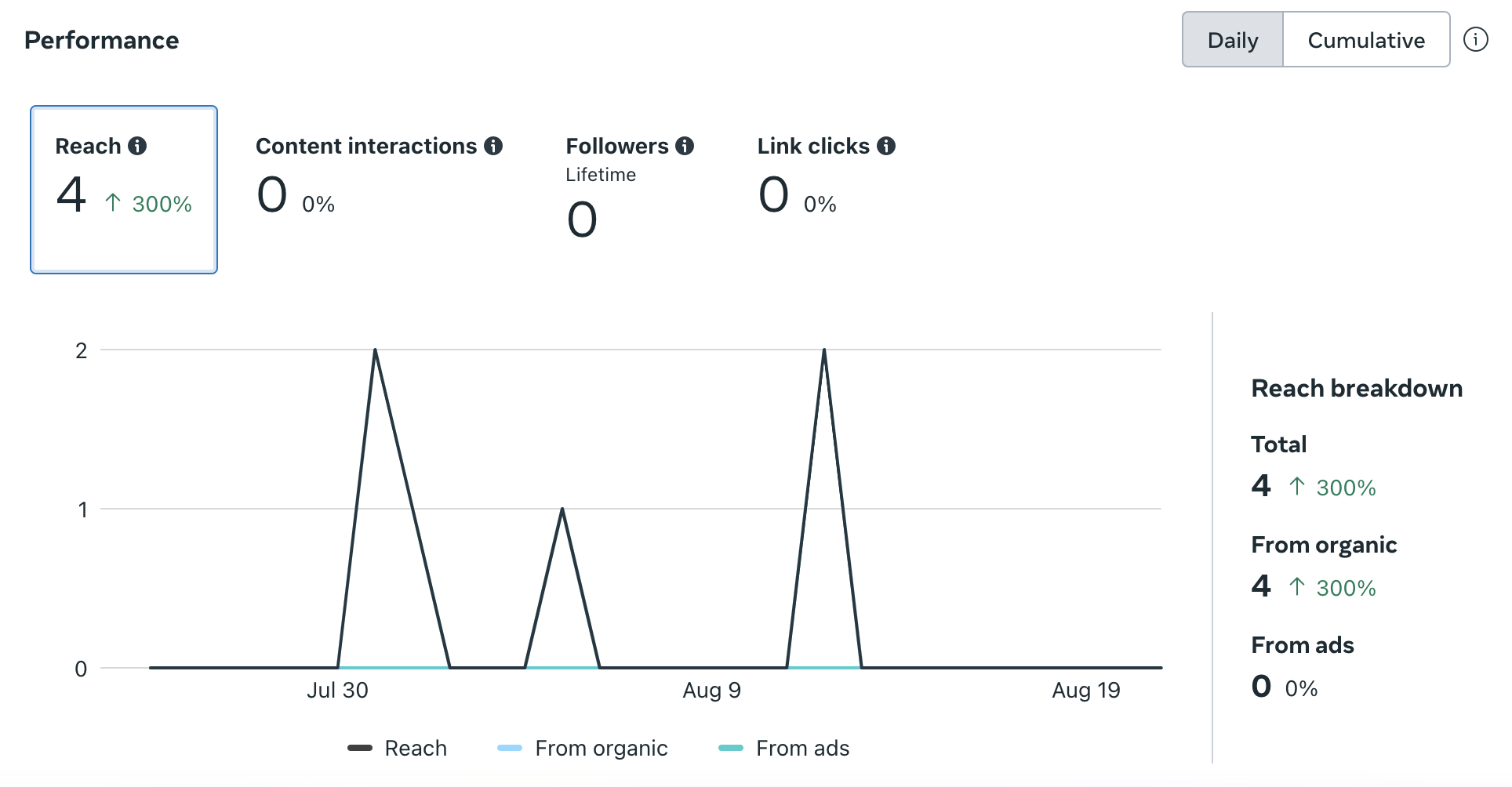
Facebook analytics provide essential data about your page’s performance, audience behavior, and content effectiveness. Regularly reviewing metrics such as reach, engagement, and follower growth can help adjust strategies for better results.
Advanced tools like Hootsuite Analytics and Meta Business Suite offer in-depth insights and reporting features, simplifying data analysis and providing recommendations for optimal posting times.
Benefits of Facebook Analytics
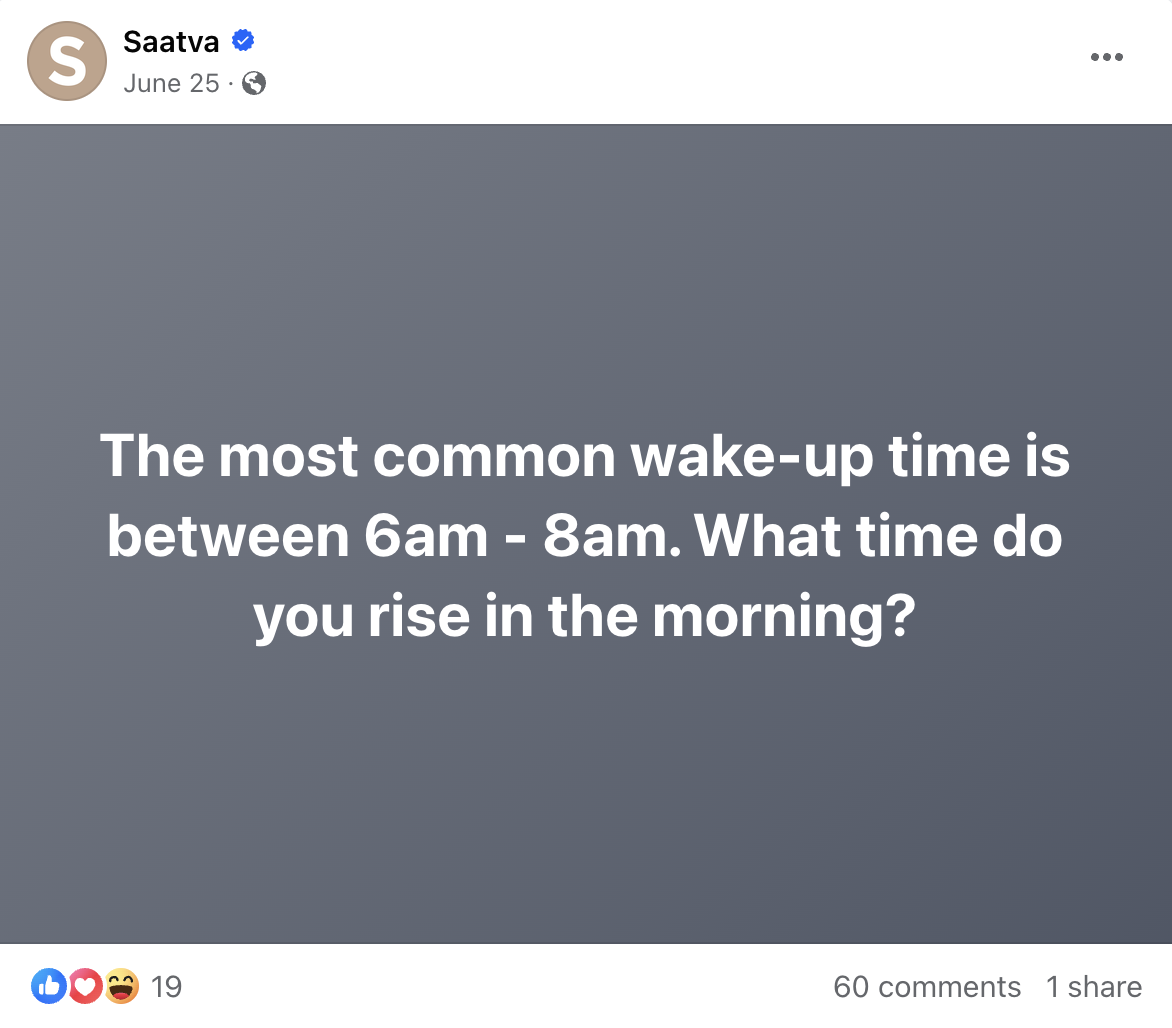
Understanding specific Facebook analytics can significantly enhance engagement. For instance, Saatva increased engagement by optimizing a single content type. Jefferson notes, “We found that asking a simple, clear-cut engagement question as a post without graphics or images was more effective in receiving responses based on our user demographics.”
Increased Engagement: Tailoring content to audience preferences boosts interaction.
Track Page Performance: Specific metrics provide a comprehensive view of Facebook performance.
Foster Community: Understanding audience demographics helps create content that builds a strong community.
Robust Reporting: Analytics tools simplify the creation and sharing of performance reports.
Key Metrics to Track
Facebook page analytics offer insights into performance and audience demographics. Important metrics include:
Reach: The number of people who saw your content.
Visits: The number of times people visited your page.
New Page Likes: The number of new likes your page received.
Follower Growth Rate: How quickly your page is gaining or losing followers.
For a comprehensive guide on improving your Facebook analytics strategy, refer to the original article on the Hootsuite Blog.
More Articles
Getting licensed or staying ahead in your career can be a journey—but it doesn’t have to be overwhelming. Grab your favorite coffee or tea, take a moment to relax, and browse through our articles. Whether you’re just starting out or renewing your expertise, we’ve got tips, insights, and advice to keep you moving forward. Here’s to your success—one sip and one step at a time!
The Florida Treasure Coast started the new year with a surge of 1,905 new home listings—up 22 percent from last January—signaling one of the strongest inventory jumps in years. While Martin County saw its median home price drop by nearly $100,000, nearby St. Lucie and Indian River counties continued to rise, creating a uniquely mixed market. With sales climbing and inventory levels shifting toward a more buyer-friendly landscape, 2026 is shaping up to be an active and opportunity-rich year for both seasoned agents and those entering the real estate field.
A unanimously passed House bill, HB 767, aims to require insurers to publicly disclose rate and premium data—giving Floridians long‑awaited clarity on rising costs. If approved by the Senate, the measure could significantly impact homeowners, real estate agents, mortgage professionals, and insurance specialists by increasing consumer trust and revealing how insurers calculate premiums.
U.S. mortgage rates have dipped to 5.98 percent, breaking below the 6 percent mark for the first time since 2022 and giving the spring home-buying season a fresh boost. With rates falling for the third straight week and buyer interest rising, experts say this shift could encourage more market activity—though many homeowners with ultra‑low pandemic-era rates may still hesitate to sell.
Artificial intelligence is rapidly transforming real estate, from listing creation to MLS infrastructure, forcing the industry to rethink how data is used, altered and protected. With AI tools making it easier than ever to modify photos, automate marketing and process sensitive documents, MLSs and state regulators are racing to establish new guardrails that ensure accuracy, privacy and consumer protection without slowing innovation.
Today’s real estate pros juggle nonstop client demands, constant marketing, and mountains of paperwork—but AI is stepping in as the ultimate assistant. From instant lead responses and personalized follow-up messages to predictive pricing tools and automated transaction support, agents are using AI to save hours, boost production, and stay competitive. The future of real estate belongs to professionals who combine their human touch with smart technology, and the shift is already happening.
A landmark US Supreme Court decision striking down the use of emergency powers to impose broad tariffs has upended global trade expectations, lifted equity markets, and sent businesses scrambling to understand what comes next. While GDP slowed and inflation rose, markets reacted positively as the ruling removed a major source of uncertainty for importers, exporters, and investors. With the old tariff framework dismantled and new targeted measures on the horizon, industries from real estate to finance are bracing for shifting economic conditions that could influence everything from consumer spending to investment strategy.