Unlocking the Power of Facebook Analytics

Facebook analytics are akin to a crystal ball for businesses, providing invaluable insights into page performance, content resonance, and audience engagement. For social media marketers, understanding these analytics is crucial for optimizing strategies and achieving business success.

At the heart of this digital revolution is the choice of the right Facebook analytics tool. While Facebook’s native tools offer a wealth of insights, there are also numerous user-friendly options available to maximize your page’s performance. Kristen Jefferson, Senior Social Media Manager at luxury sleep company Saatva, shares her expertise on leveraging these tools for optimal results.

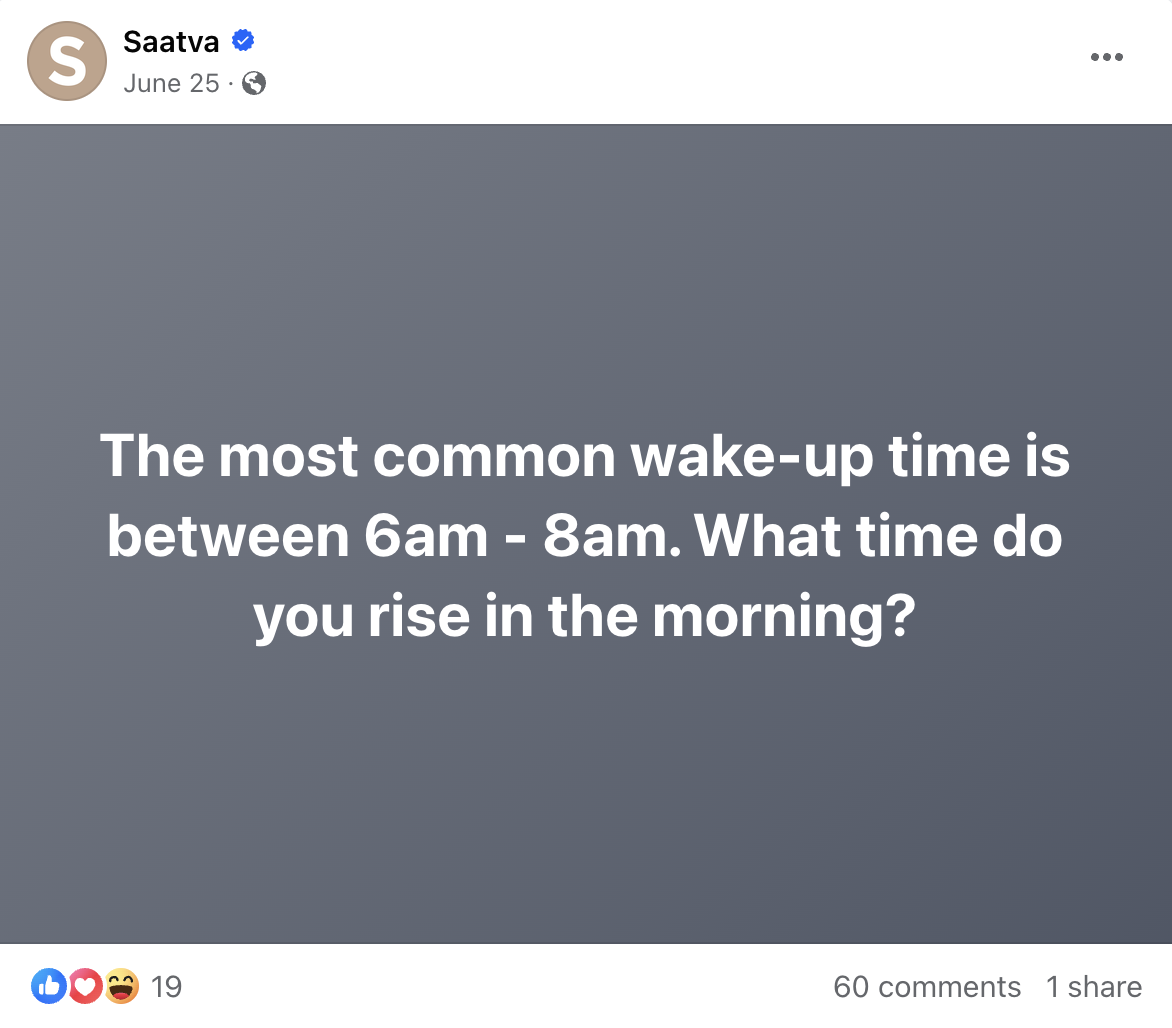
Saatva most common wake up time question

Why Facebook Analytics Matter

Facebook analytics provide essential data about your page’s performance, audience behavior, and content effectiveness. Regularly reviewing metrics such as reach, engagement, and follower growth can help adjust strategies for better results.

Advanced tools like Hootsuite Analytics and Meta Business Suite offer in-depth insights and reporting features, simplifying data analysis and providing recommendations for optimal posting times.

Benefits of Facebook Analytics

Understanding specific Facebook analytics can significantly enhance engagement. For instance, Saatva increased engagement by optimizing a single content type. Jefferson notes, “We found that asking a simple, clear-cut engagement question as a post without graphics or images was more effective in receiving responses based on our user demographics.”

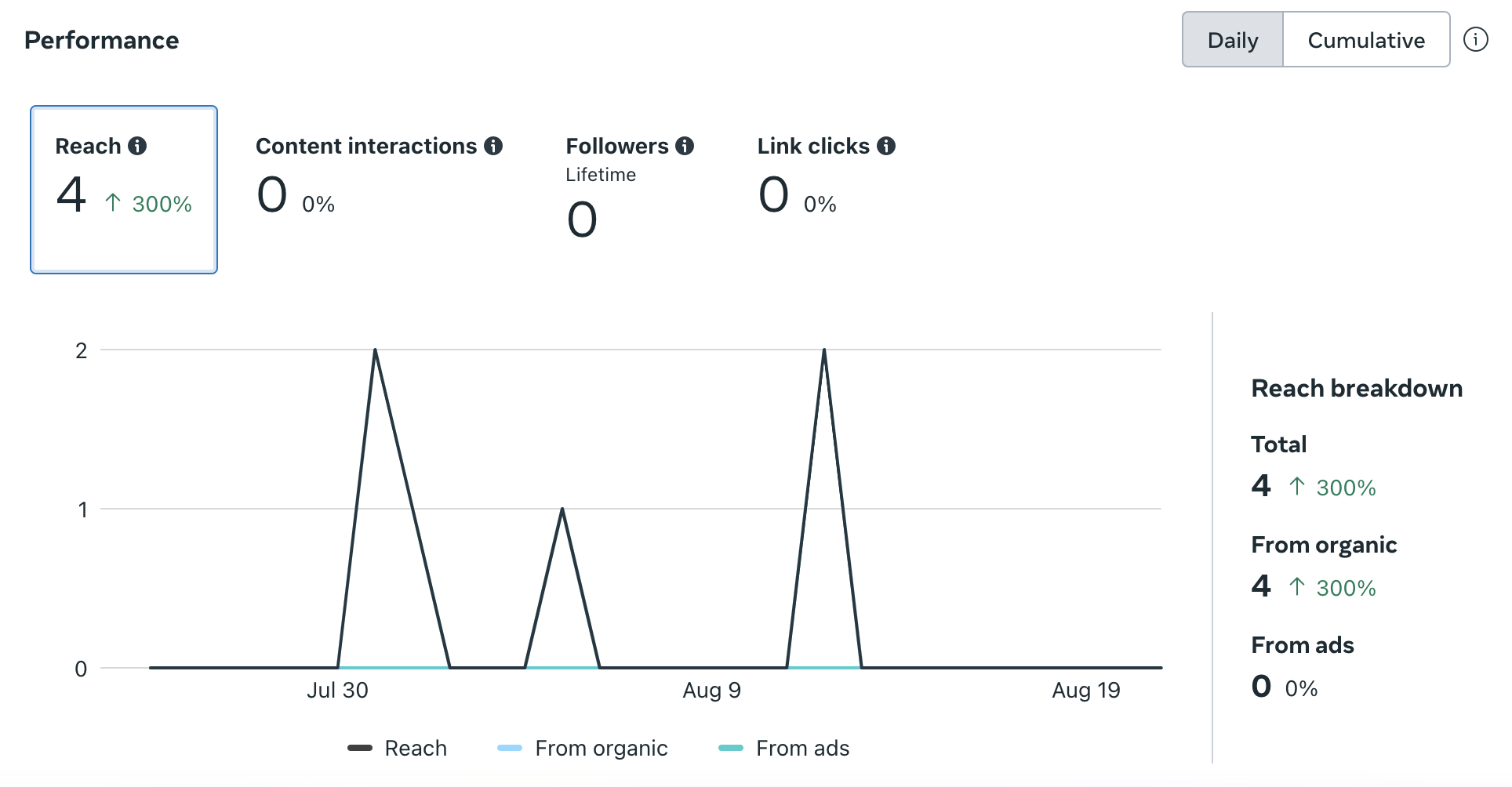
Facebook page analytics graph of performance and reach
  • Increased Engagement: Tailoring content to audience preferences boosts interaction.
  • Track Page Performance: Specific metrics provide a comprehensive view of Facebook performance.
  • Foster Community: Understanding audience demographics helps create content that builds a strong community.
  • Robust Reporting: Analytics tools simplify the creation and sharing of performance reports.

Key Metrics to Track

Facebook page analytics offer insights into performance and audience demographics. Important metrics include:
  • Reach: The number of people who saw your content.
  • Visits: The number of times people visited your page.
  • New Page Likes: The number of new likes your page received.
  • Follower Growth Rate: How quickly your page is gaining or losing followers.


For a comprehensive guide on improving your Facebook analytics strategy, refer to the original article on the Hootsuite Blog.

More Articles

Getting licensed or staying ahead in your career can be a journey—but it doesn’t have to be overwhelming. Grab your favorite coffee or tea, take a moment to relax, and browse through our articles. Whether you’re just starting out or renewing your expertise, we’ve got tips, insights, and advice to keep you moving forward. Here’s to your success—one sip and one step at a time!

The Future of Commercial Real Estate: Trends and Predictions for 2025

The commercial real estate market in 2024 was characterized by adaptation to new economic realities and shifting consumer preferences.

Significant Overhaul in Illinois Real Estate Laws: What’s Changing?

Illinois is set to implement significant changes to its real estate laws following the National Association of REALTORS® rule adjustments, aiming to enhance transparency and accountability in the real estate sector.

Emerging Markets Lead Real Estate’s Green Revolution

Emerging markets are stepping up to the plate, enhancing the green credentials of their real estate assets. This movement is not just a whisper in the wind but a significant stride towards a more sustainable future.

Green Building Trends Reshape U.S. Commercial Real Estate Investing

Institutional investors are encountering a myriad of challenges that are shaping their investment strategies. One of the most significant factors influencing these strategies is the rise in interest rates, which has become a central concern for investors seeking to maximize returns.

The Future of Virtual Reality: Market Growth and Trends 2025-2029

The global virtual reality (VR) market is poised for a significant leap, with projections indicating a growth of USD 133.17 billion from 2025 to 2029. This remarkable expansion is driven by rapid advancements in VR technologies and the integration of artificial intelligence (AI) and machine learning (ML).