Unmasking Myths: Screening Section 8 Tenants

In the realm of real estate, myths and misconceptions about Section 8 tenants often cloud the judgment of landlords. These stereotypes suggest that Section 8 tenants might damage property or fail to pay rent. However, these risks are inherent in renting to any tenant, not just those participating in the Section 8 program. The key to mitigating these risks lies in a robust and consistent screening process.
Understanding Fair Housing Laws
A crucial aspect of managing properties for Section 8 tenants is a thorough understanding of local and state fair housing laws. While the Section 8 program is federally administered, states like California, Washington, and New York have specific regulations that landlords must follow. For instance, in many states, ‘source of income’ is a protected class, meaning landlords cannot reject applicants solely for participating in the Section 8 program. This underscores the importance of applying the same screening criteria to all applicants to avoid potential legal pitfalls.
Developing Thorough Screening Criteria
Landlords are encouraged to establish comprehensive screening criteria that apply universally to all applicants. This includes verifying income and employment, checking landlord references, reviewing credit and criminal histories, and assessing eviction backgrounds. For Section 8 tenants, it is also vital to confirm their housing voucher status and ensure they can cover any remaining rental costs.
To aid in this process, tools like Innago can facilitate credit and criminal checks, helping landlords organize applicant information efficiently.
Consistency is Key
It is imperative that landlords enforce their screening criteria consistently across all tenants. Implementing a tenant scoring system can help maintain fairness and provide documentation in case of disputes. By assigning point values to various criteria, landlords can objectively assess applicants and make decisions based on concrete data rather than subjective impressions.
The Role of Interviews
Conducting interviews with prospective tenants can further enhance the screening process. Interviews offer a chance to establish clear expectations and assess communication skills, which are crucial for Section 8 tenants who must coordinate with both landlords and public housing agencies. However, it’s important to ensure that the same interview process is applied to all applicants to avoid discrimination claims.
Choosing the Right Tenant
Ultimately, the goal is to select the most qualified tenant, whether they are part of the Section 8 program or not. Some landlords may resort to extreme measures, such as home visits or interviewing previous neighbors, but these practices are only valid if applied uniformly to all applicants.
Landlords should focus on criteria that truly matter and avoid letting personal biases influence their decisions. By relying on objective data and maintaining transparency, landlords can ensure they choose the best tenants for their properties.
For a more detailed exploration of this topic, you can refer to the original article on Innago.

More Articles

Getting licensed or staying ahead in your career can be a journey—but it doesn’t have to be overwhelming. Grab your favorite coffee or tea, take a moment to relax, and browse through our articles. Whether you’re just starting out or renewing your expertise, we’ve got tips, insights, and advice to keep you moving forward. Here’s to your success—one sip and one step at a time!

Free Money in 2026? The Truth About the DOGE Dividend Stimulus Check

The DOGE Dividend: What You Need to Know About the Proposed 2026 Stimulus Check Hey there! If you’ve been wondering #ReadMore

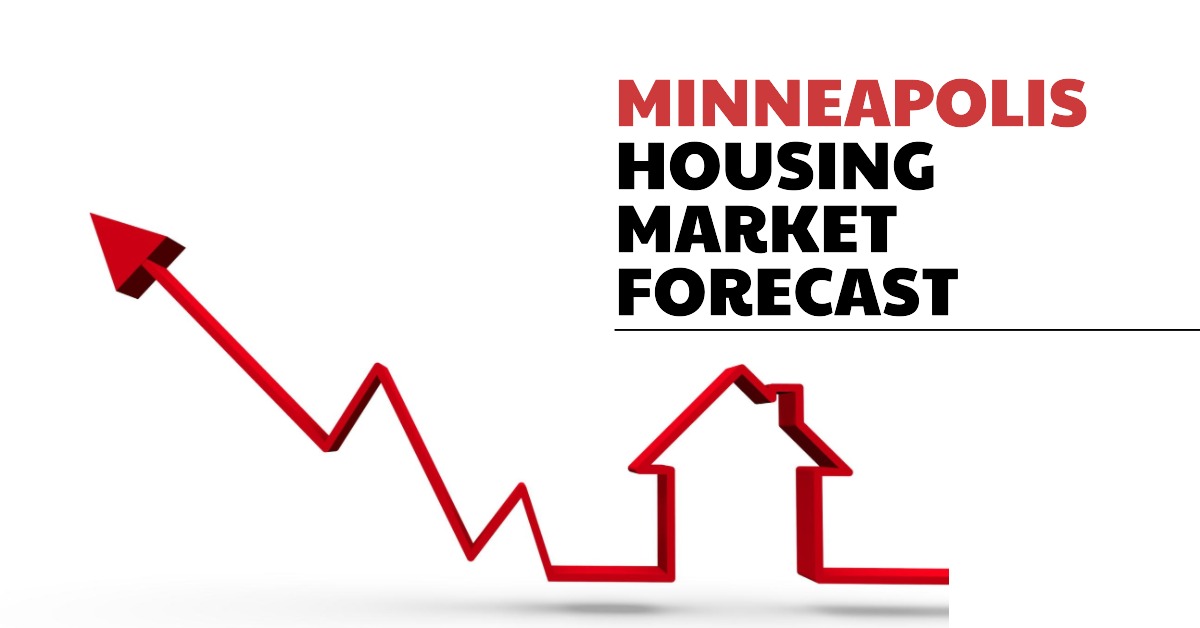
Navigating Seller’s Market: Twin Cities Housing Trends and Predictions for 2024

The Minneapolis housing market is currently navigating a complex terrain, marked by a curious blend of optimism and caution. In 2024, home sales in the Twin Cities area experienced a modest uptick of 1.8%.

Future Homes: Sustainability and Smart Technology Shaping Real Estate

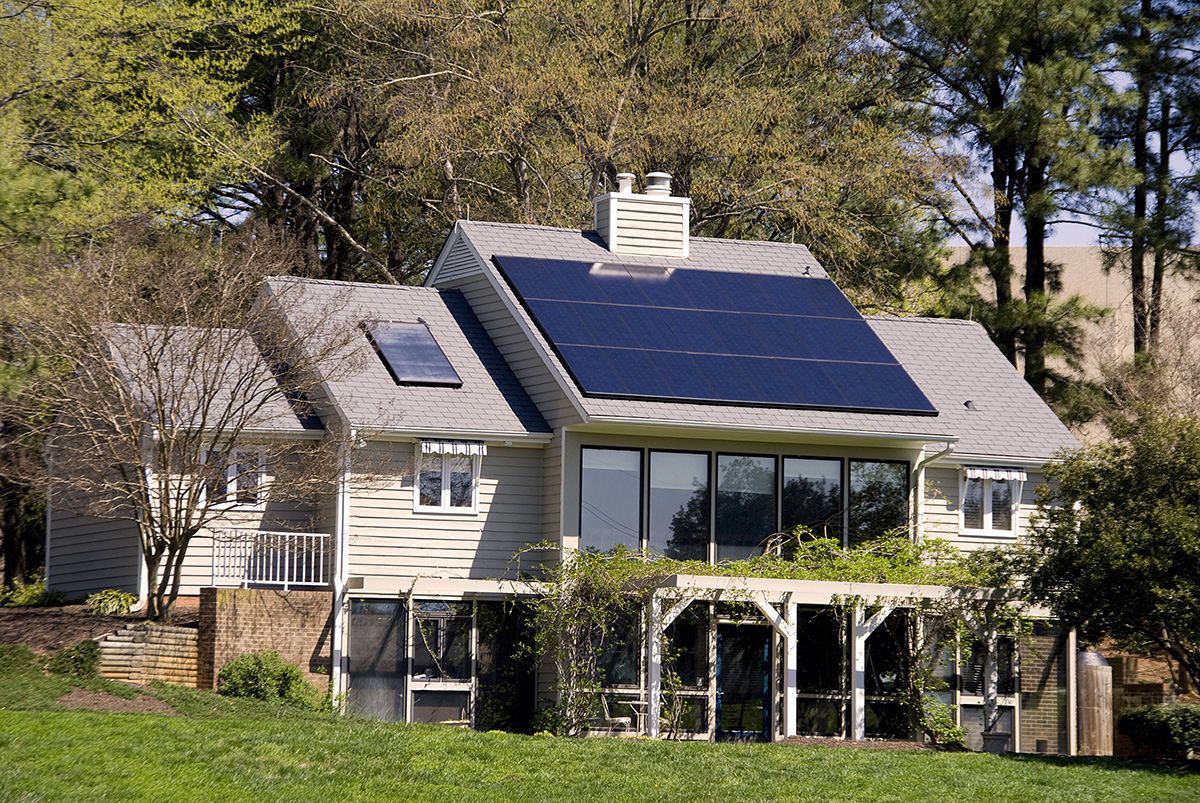
In the ever-evolving landscape of real estate, two groundbreaking trends are shaping the homes of tomorrow: sustainability and smart home technology. As consumers become increasingly aware of their environmental impact and as technology continues to advance at lightning speed, these trends are significantly influencing buying decisions in the residential real estate market.

By |February 25, 2025|Categories: Article, Real Estate, Technology|Tags: , |0 Comments

Harvard Study Projects Dramatic Slowdown in U.S. Household Growth

In a comprehensive analysis by Harvard's Joint Center for Housing Studies, there is a projected increase of 8.6 million households in the United States from 2025 to 2035. This equates to approximately 860,000 new households per year, marking a significant deceleration compared to the post-Great Recession era, which saw a sluggish yet larger gain of 10.1 million households.

By |February 24, 2025|Categories: Article, Demographics, Housing|Tags: , |0 Comments

AI Revolutionizing Real Estate: Predicting Trends and Values

The real estate industry, often seen as conservative, is gradually embracing technological advancements with AI leading the charge. Generative AI is already revolutionizing real estate marketing by enhancing customer experiences and optimizing content creation.

By |February 24, 2025|Categories: Article, Real Estate, Technology/AI|Tags: , |0 Comments

In-Person Work Policies: A Beacon of Hope for Commercial Real Estate

With office occupancy plummeting by 90% from February to March 2020, the impact of remote work was palpable. However, the researchers found that hybrid mandates and adding more in-office days could mitigate some of these challenges.