Unmasking Myths: Screening Section 8 Tenants

In the realm of real estate, myths and misconceptions about Section 8 tenants often cloud the judgment of landlords. These stereotypes suggest that Section 8 tenants might damage property or fail to pay rent. However, these risks are inherent in renting to any tenant, not just those participating in the Section 8 program. The key to mitigating these risks lies in a robust and consistent screening process.
Understanding Fair Housing Laws
A crucial aspect of managing properties for Section 8 tenants is a thorough understanding of local and state fair housing laws. While the Section 8 program is federally administered, states like California, Washington, and New York have specific regulations that landlords must follow. For instance, in many states, ‘source of income’ is a protected class, meaning landlords cannot reject applicants solely for participating in the Section 8 program. This underscores the importance of applying the same screening criteria to all applicants to avoid potential legal pitfalls.
Developing Thorough Screening Criteria
Landlords are encouraged to establish comprehensive screening criteria that apply universally to all applicants. This includes verifying income and employment, checking landlord references, reviewing credit and criminal histories, and assessing eviction backgrounds. For Section 8 tenants, it is also vital to confirm their housing voucher status and ensure they can cover any remaining rental costs.
To aid in this process, tools like Innago can facilitate credit and criminal checks, helping landlords organize applicant information efficiently.
Consistency is Key
It is imperative that landlords enforce their screening criteria consistently across all tenants. Implementing a tenant scoring system can help maintain fairness and provide documentation in case of disputes. By assigning point values to various criteria, landlords can objectively assess applicants and make decisions based on concrete data rather than subjective impressions.
The Role of Interviews
Conducting interviews with prospective tenants can further enhance the screening process. Interviews offer a chance to establish clear expectations and assess communication skills, which are crucial for Section 8 tenants who must coordinate with both landlords and public housing agencies. However, it’s important to ensure that the same interview process is applied to all applicants to avoid discrimination claims.
Choosing the Right Tenant
Ultimately, the goal is to select the most qualified tenant, whether they are part of the Section 8 program or not. Some landlords may resort to extreme measures, such as home visits or interviewing previous neighbors, but these practices are only valid if applied uniformly to all applicants.
Landlords should focus on criteria that truly matter and avoid letting personal biases influence their decisions. By relying on objective data and maintaining transparency, landlords can ensure they choose the best tenants for their properties.
For a more detailed exploration of this topic, you can refer to the original article on Innago.

More Articles

Getting licensed or staying ahead in your career can be a journey—but it doesn’t have to be overwhelming. Grab your favorite coffee or tea, take a moment to relax, and browse through our articles. Whether you’re just starting out or renewing your expertise, we’ve got tips, insights, and advice to keep you moving forward. Here’s to your success—one sip and one step at a time!

Phoenix Housing Market Surges Ahead of the Nation in 2025

The Phoenix housing market continues to outperform the rest of the country, posting stronger sales, rising equity, and an influx of qualified buyers. With closed sales, pending sales, new listings, and median prices all trending upward, the Valley is outpacing national growth by a wide margin. City‑level data shows impressive strength across Scottsdale, Goodyear, Gilbert, Phoenix, and more—making 2025 a powerful year for agents, investors, and professionals watching the Arizona market.

20 High-Demand Jobs to Watch as 2026 Approaches — Major Events Are Fueling New Opportunities

With the 2026 FIFA World Cup and America’s 250th birthday celebrations on the horizon, the U.S. job market is gearing up for a surge across multiple industries. Seasonal, flexible, and part‑time roles are expected to rise—especially for workers 50+ who have struggled in a cooling labor market. From accounting and HR leadership to event staffing and delivery driving, major cities are preparing for increased hiring tied to tourism, infrastructure, and yearlong national celebrations. Many of these fast‑growing roles connect directly to licensing and certification pathways, giving professionals new chances to pivot or upskill through programs offered by Cameron Academy.

New Florida Laws Taking Effect January 1, 2026: Key Updates for Professionals

Florida is rolling out a new wave of laws on January 1, 2026 that will impact professionals in real estate, insurance, healthcare, education, and other regulated industries. From new insurance rules and healthcare billing requirements to condo association deadlines and statewide databases, these updates reshape compliance expectations across the state. Whether you work in property, finance, or public‑facing services, understanding these changes is essential for staying aligned with Florida’s evolving regulations.

Commercial Real Estate Pros Are Almost All Bullish on 2026

Nearly every commercial real estate professional is expecting a stronger year ahead, with 97% predicting increased or stable activity in 2026, according to Avison Young’s latest outlook. Confidence has surged dramatically since mid‑2025 as strong sales, anticipated rate cuts, and improving fundamentals across key sectors signal that CRE recovery and growth may finally be taking hold.

Dallas‑Fort Worth’s 2025 Boom: The Metroplex Redefining U.S. Growth

Dallas‑Fort Worth is finishing 2025 as the nation’s top real estate and business powerhouse, fueled by corporate relocations, a dominant industrial sector, infrastructure megaprojects, and a rapidly evolving workforce landscape. From data center expansion to the launch of the DART Silver Line, the region continues to outpace national trends—while also confronting a growing demand for skilled professionals and licensed talent across construction, real estate, and technical fields.

FEMA and NJDEP Unveil New Morris County Flood Maps, Triggering Key Changes for Property Owners and Professionals

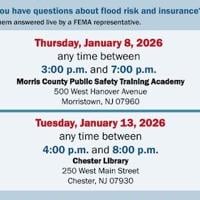
FEMA and the NJDEP have released revised preliminary flood maps for Morris County, reshaping how homeowners, real estate agents, insurers, and mortgage professionals assess flood risk. The updated FIRMs may shift properties into or out of higher‑risk zones, affecting insurance requirements, closing processes, and long‑term property values. With public review and appeals ahead, industry professionals are urged to study the changes now and prepare clients for potential impacts.