Unmasking Myths: Screening Section 8 Tenants

In the realm of real estate, myths and misconceptions about Section 8 tenants often cloud the judgment of landlords. These stereotypes suggest that Section 8 tenants might damage property or fail to pay rent. However, these risks are inherent in renting to any tenant, not just those participating in the Section 8 program. The key to mitigating these risks lies in a robust and consistent screening process.
Understanding Fair Housing Laws
A crucial aspect of managing properties for Section 8 tenants is a thorough understanding of local and state fair housing laws. While the Section 8 program is federally administered, states like California, Washington, and New York have specific regulations that landlords must follow. For instance, in many states, ‘source of income’ is a protected class, meaning landlords cannot reject applicants solely for participating in the Section 8 program. This underscores the importance of applying the same screening criteria to all applicants to avoid potential legal pitfalls.
Developing Thorough Screening Criteria
Landlords are encouraged to establish comprehensive screening criteria that apply universally to all applicants. This includes verifying income and employment, checking landlord references, reviewing credit and criminal histories, and assessing eviction backgrounds. For Section 8 tenants, it is also vital to confirm their housing voucher status and ensure they can cover any remaining rental costs.
To aid in this process, tools like Innago can facilitate credit and criminal checks, helping landlords organize applicant information efficiently.
Consistency is Key
It is imperative that landlords enforce their screening criteria consistently across all tenants. Implementing a tenant scoring system can help maintain fairness and provide documentation in case of disputes. By assigning point values to various criteria, landlords can objectively assess applicants and make decisions based on concrete data rather than subjective impressions.
The Role of Interviews
Conducting interviews with prospective tenants can further enhance the screening process. Interviews offer a chance to establish clear expectations and assess communication skills, which are crucial for Section 8 tenants who must coordinate with both landlords and public housing agencies. However, it’s important to ensure that the same interview process is applied to all applicants to avoid discrimination claims.
Choosing the Right Tenant
Ultimately, the goal is to select the most qualified tenant, whether they are part of the Section 8 program or not. Some landlords may resort to extreme measures, such as home visits or interviewing previous neighbors, but these practices are only valid if applied uniformly to all applicants.
Landlords should focus on criteria that truly matter and avoid letting personal biases influence their decisions. By relying on objective data and maintaining transparency, landlords can ensure they choose the best tenants for their properties.
For a more detailed exploration of this topic, you can refer to the original article on Innago.

More Articles

Getting licensed or staying ahead in your career can be a journey—but it doesn’t have to be overwhelming. Grab your favorite coffee or tea, take a moment to relax, and browse through our articles. Whether you’re just starting out or renewing your expertise, we’ve got tips, insights, and advice to keep you moving forward. Here’s to your success—one sip and one step at a time!

Florida’s Insurance Market Meltdown: Why New Reforms Are Repeating Old Mistakes

Florida’s property insurance system is once again spiraling as new “market-friendly” reforms fail to stabilize rising premiums, insurer failures, and mounting homeowner frustration. Despite aggressive efforts to shift policyholders from Citizens to private carriers, many of the new insurers stepping in are tied to past insolvencies, questionable ratings, and political influence. For real estate, mortgage, and insurance professionals, these systemic cracks are reshaping closings, valuations, and risk across the state—making it essential to stay ahead of ongoing regulatory and market shifts.

Top 2026 Commercial Real Estate Issues: The Trends Professionals Must Watch

Commercial real estate is heading into a turning‑point year in 2026, driven by economic uncertainty, AI‑powered transformation, shifting demographics and rising portfolio risk. Insights from The Counselors of Real Estate highlight the top issues shaping the year ahead—from fiscal pressures and capital constraints to housing shortages, global volatility and the future of data‑driven decision‑making. For real estate, mortgage, insurance and finance professionals, these trends offer a clear roadmap for staying competitive and preparing for the next wave of industry change.

The Tech Wave Transforming Real Estate in 2025

AI-powered tools, fraud protection systems, and smarter MLS integrations are sweeping through the real estate industry as major organizations adopt new technologies. From RealReports hitting its 50th partnership to BeachesMLS unveiling instant AI home visualizations and Doorify boosting security, professionals are seeing rapid advancements that promise sharper insights, safer transactions, and more efficient rental workflows. This evolving tech landscape underscores the importance of staying educated and adaptable — especially for agents preparing for a competitive, AI-enhanced 2025 market.

Florida’s Insurance Crisis Deepens as Premiums Soar and Claims Go Unpaid

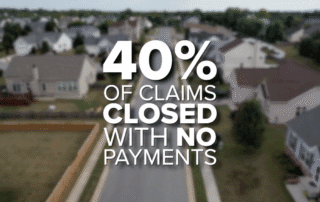
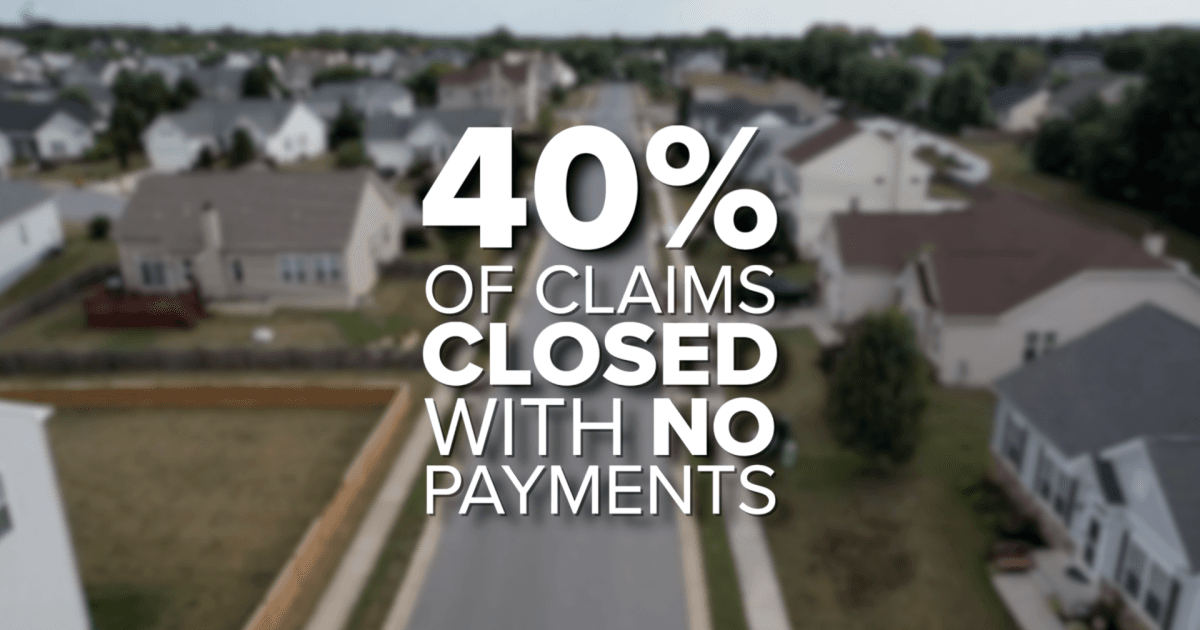
Florida homeowners are being hit with the highest insurance premiums in the nation, averaging $5,838 per year—nearly double the U.S. average. As costs skyrocket, many residents are reporting denied claims, non‑renewals, and impossible financial choices. New investigations reveal that more than 40 percent of claims in Florida close with no payment, while lawmakers push for transparency, fair pricing, and meaningful reform to stabilize a market that’s rapidly becoming unsustainable.

AI-Powered Parking Startup Vend Park Secures $17.5M to Transform a Forgotten Real Estate Asset

Vend Park, a Boston-based proptech company, has raised $17.5 million in Series A funding to reinvent parking as a high-performing commercial real estate asset. By replacing outdated operator–vendor systems with a unified AI-driven platform, Vend Park is helping major property owners boost NOI by up to 30%, slash operating costs, and modernize the tenant experience. As the company expands from three to fifteen cities and partners with giants like Nuveen and Jamestown, its technology highlights a major shift: real estate professionals must now understand AI, automation, and digital infrastructure to stay competitive.

Keller Williams Atlanta Partners Teams Up with Southeast Mortgage in a Major Georgia Market Shake‑Up

Keller Williams Realty Atlanta Partners has formed an exclusive partnership with Southeast Mortgage, Georgia’s largest non‑bank mortgage lender. The collaboration promises faster, tech‑enhanced transactions for both agents and homebuyers, combining real estate expertise with streamlined mortgage services. This move reflects a growing trend toward integrated real‑estate ecosystems designed to reduce delays, boost transparency, and modernize the homebuying experience.