Unmasking The Banking Sector’s Vulnerability To Cyber Threats
In a world where digital threats loom large, the banking sector finds itself at a critical juncture. A recent story shared by an acquaintance, Dave, underscores the pervasive risk of cyberattacks that banks face today. Dave, who works in the banking sector, was caught off guard by a phishing attempt that seemed legitimate. Fortunately, it was a security test, but it highlighted a glaring vulnerability.
According to a Trend Micro report, the first half of 2021 saw an alarming 1,300% increase in ransomware incidents targeting banks. This surge is a wake-up call for financial institutions to reassess their cybersecurity strategies.
Challenges in Banking Cybersecurity
The banking sector’s reliance on outdated systems and slow adoption of cloud technologies are significant hurdles. As Dave pointed out, “Regulations make banks cautious, but this caution leaves us exposed.” This cautious approach has led to systemic flaws that cybercriminals exploit.
Phishing, ransomware, and advanced persistent threats (APTs) are the tools of choice for cybercriminals. These attacks don’t just aim for financial gain; they target sensitive data, which can be weaponized for future attacks or extortion.
Proactive Measures for Enhanced Security
To combat these threats, banks must adopt a proactive cybersecurity posture. Implementing a zero-trust framework—where trust is never assumed, even within the organization—can significantly enhance security. This approach involves verifying every user, device, and application, irrespective of their location.
In addition to zero trust, leveraging advanced tools like remote browser isolation (RBI) can provide an extra layer of protection. RBI ensures that web content is executed in a secure environment, preventing potential malware from reaching users’ devices.
These strategies form the essential toolbox the banking sector must revisit to bolster its defenses against evolving cyber threats. As cybercriminals become more sophisticated, banks must innovate and ensure employees are well-trained to stay ahead.
For more insights, visit the full article on Forbes.
More Articles
Getting licensed or staying ahead in your career can be a journey—but it doesn’t have to be overwhelming. Grab your favorite coffee or tea, take a moment to relax, and browse through our articles. Whether you’re just starting out or renewing your expertise, we’ve got tips, insights, and advice to keep you moving forward. Here’s to your success—one sip and one step at a time!
Among the bustling cities, New York, NY, stands out, capturing 3.4% of the total online traffic. This is followed by Dallas, TX (2.7%), Chicago, IL (2.6%), Miami, FL (2.5%), and Tampa, FL (1.9%). These cities have emerged as hotspots for prospective homebuyers, reflecting a high level of interest and potential market growth.
In a significant move to bolster consumer protections in the mortgage sector, Texas has enacted new regulations aimed at enhancing transparency and accountability among mortgage lenders and servicers.
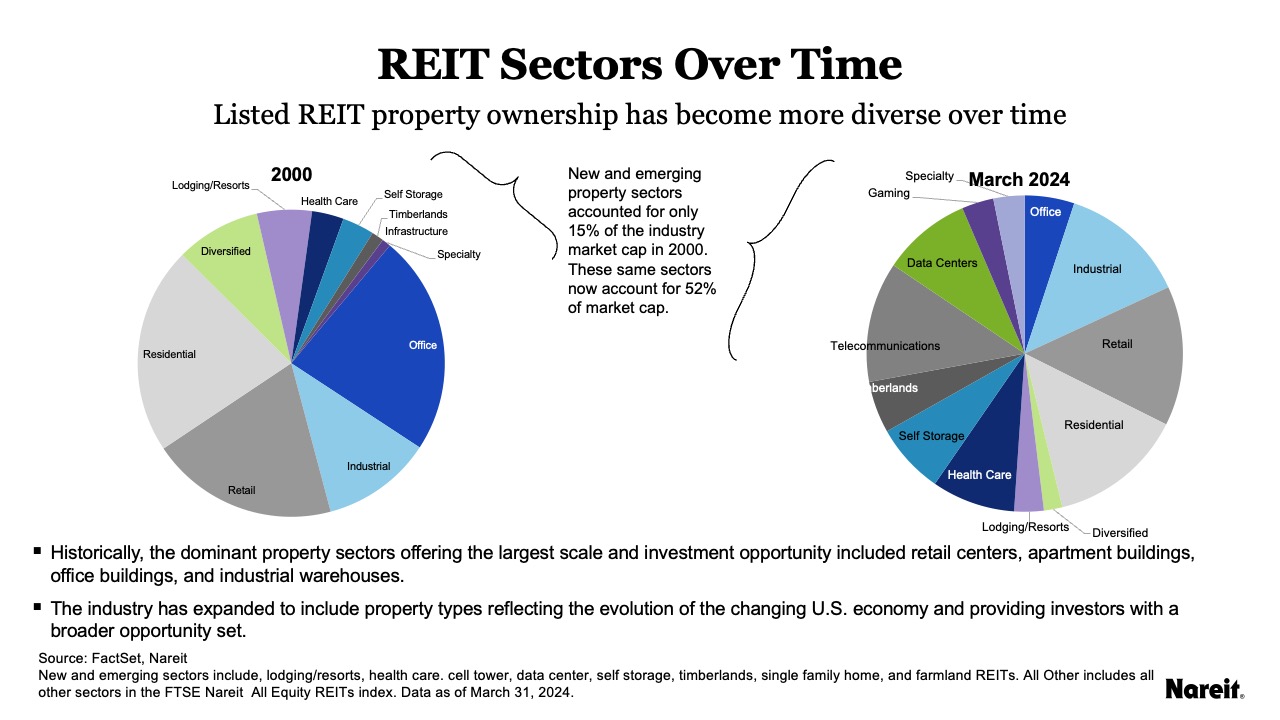
In the world of retirement planning, the integration of underrepresented asset classes into defined contribution (DC) plans is gaining momentum. For decades, defined benefit (DB) pension plans have successfully leveraged real estate within their investment portfolios. Now, DC plans are following suit, largely through the use of Real Estate Investment Trusts (REITs).
REITs have democratized real estate investment, allowing individuals to invest in diverse property portfolios with the same ease as purchasing stocks. The beauty of REITs lies in their ability to transform traditionally illiquid assets into liquid ones, offering investors both liquidity and diversification.
As economic uncertainty continues to cast a shadow over global markets, investors are increasingly seeking strategies to safeguard and grow their wealth.
In a bold move set to transform the real estate sector, EstateSlice NFT is leveraging blockchain technology to break down traditional barriers to property investment.