Unraveling the Affordable Housing Crisis Through Zoning Reforms
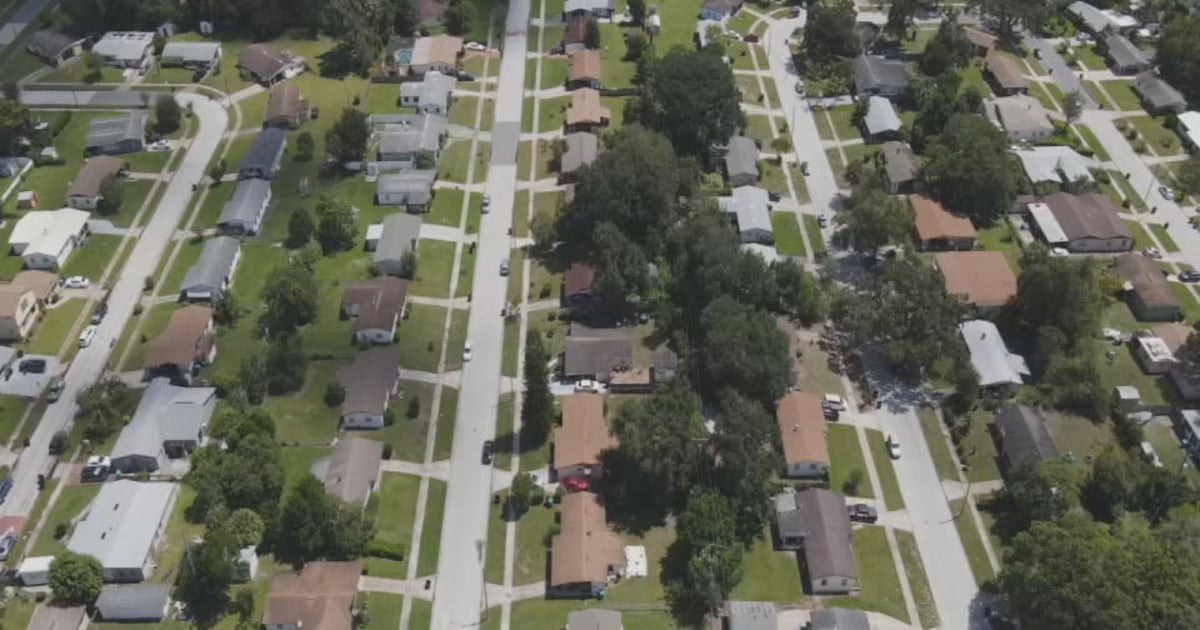
The affordable housing crisis in the United States is a complex issue, and no single solution can address it entirely. However, many cities are increasingly looking to zoning reform as a pivotal strategy to boost housing supply. As Urban Land Magazine reports, the severity of the crisis has pushed it to the forefront of political agendas, making politicians more inclined to tackle the issue.
City planner M. Nolan Gray, author of Arbitrary Lines: How Zoning Broke the American City and How to Fix It, highlights the shift in urban policies. “Dozens of cities have scrapped exclusionary single-family home zoning and parking requirements, which was previously inconceivable,” Gray notes.
The Shift Towards Inclusive Zoning
David Garcia, policy director for the Terner Center for Housing Innovation at the University of California, Berkeley, underscores the growing openness to zoning changes. “Many jurisdictions are reluctant to use zoning reform due to backlash, but the idea of allowing multiple units on single-family parcels is gaining traction,” Garcia explains.
Despite the momentum, the impact of recent zoning changes is still unfolding. Garcia warns that piecemeal reforms may not achieve the desired outcomes, and comprehensive zoning changes are often challenging to implement.
According to Toccarra Nicole Thomas, director of land use and development at Smart Growth America, zoning has historically contributed to the crisis by focusing on low-density, auto-centric housing. “Zoning is inherently inflexible,” Thomas asserts. She advocates for comprehensive reform to effectively generate affordable housing.
Strategies for Effective Zoning Reform
Gray suggests that allowing “by right” building permits could significantly streamline the development process. Other recommended zoning reforms include reducing lot size requirements, eliminating parking restrictions, and allowing manufactured housing.
Reducing lot size requirements
Eliminating parking restrictions
Allowing manufactured housing
Several cities have successfully implemented zoning reforms. In Oakland, California, the transformation of Auto Row into a residential hub is a prime example. Similarly, Washington, D.C., has seen the revitalization of former industrial areas like the Navy Yard and NoMa into vibrant mixed-use communities.
Political Challenges and Opportunities
Zoning reform is not without its political challenges. Thomas points out that reform efforts often face opposition from NIMBYs (Not In My Backyard) and BANANAs (Building Absolutely Nothing Anywhere Near Anything). However, engaging with community stakeholders and building coalitions can help overcome resistance.
Garcia advises developers to engage with communities early in the planning process to demonstrate the benefits of new housing developments. “Data showing that new housing can increase the value of existing homes can be persuasive,” he says.
Ultimately, zoning reform is a gradual process. As Gray emphasizes, “We’re rolling back 100 years of policy that made it nearly impossible to build housing in dense cities, so it will take time to fix.” Yet, progress is being made, and the potential for transformative change is on the horizon.
Getting licensed or staying ahead in your career can be a journey—but it doesn’t have to be overwhelming. Grab your favorite coffee or tea, take a moment to relax, and browse through our articles. Whether you’re just starting out or renewing your expertise, we’ve got tips, insights, and advice to keep you moving forward. Here’s to your success—one sip and one step at a time!
Florida homeowners — especially in hard‑hit South Florida — are set to see rare and substantial reductions in their property insurance premiums. Gov. Ron DeSantis announced an average statewide Citizens Insurance decrease of 8.7%, with even larger savings of up to 14% in counties like Miami-Dade, Broward, and Palm Beach. State officials credit recent legal and regulatory reforms for stabilizing the market, attracting new insurers, and delivering the first meaningful rate relief Floridians have seen in years.
Tampa’s commercial real estate market isn’t slowing—it’s maturing. With strong population growth, rising office demand, a normalized industrial sector, resurgent retail, and an emerging health‑care real estate boom, investors are shifting from speed to strategy. Tighter underwriting, cautious capital and increased due‑diligence are shaping a more disciplined market, creating new opportunities for informed professionals.
Florida homeowners are finally seeing relief as Citizens Property Insurance announces a major 8.7% average rate decrease—far larger than originally proposed. Driven by legislative reforms, fewer lawsuits, and a calm hurricane season, the state’s once‑unstable insurance market is showing real signs of recovery. But with reduced coverage limits and shifting legal protections, experts warn that lower premiums may come with hidden trade‑offs.
After a decade of rising premiums and retreating carriers, Florida homeowners are finally seeing long‑awaited relief. Dozens of insurers have filed for rate decreases—some as high as 11%—thanks to legislative reforms and a stabilizing market. Early approvals are already hitting counties across the state, and experts say the momentum could boost buyer confidence, affordability, and competition throughout Florida’s real estate and insurance sectors.
After years of slowed activity caused by rising interest rates, the self‑storage industry is heating up again. New data from Marcus & Millichap shows a fresh market cycle emerging, driven by renewed buyer confidence, recalibrated pricing, and stronger lender participation. Acquisitions are rebounding, development is resetting in a healthier direction, and financing conditions are improving—creating one of the most promising investment landscapes the sector has seen in years.
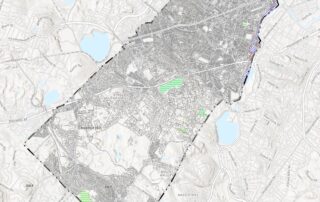
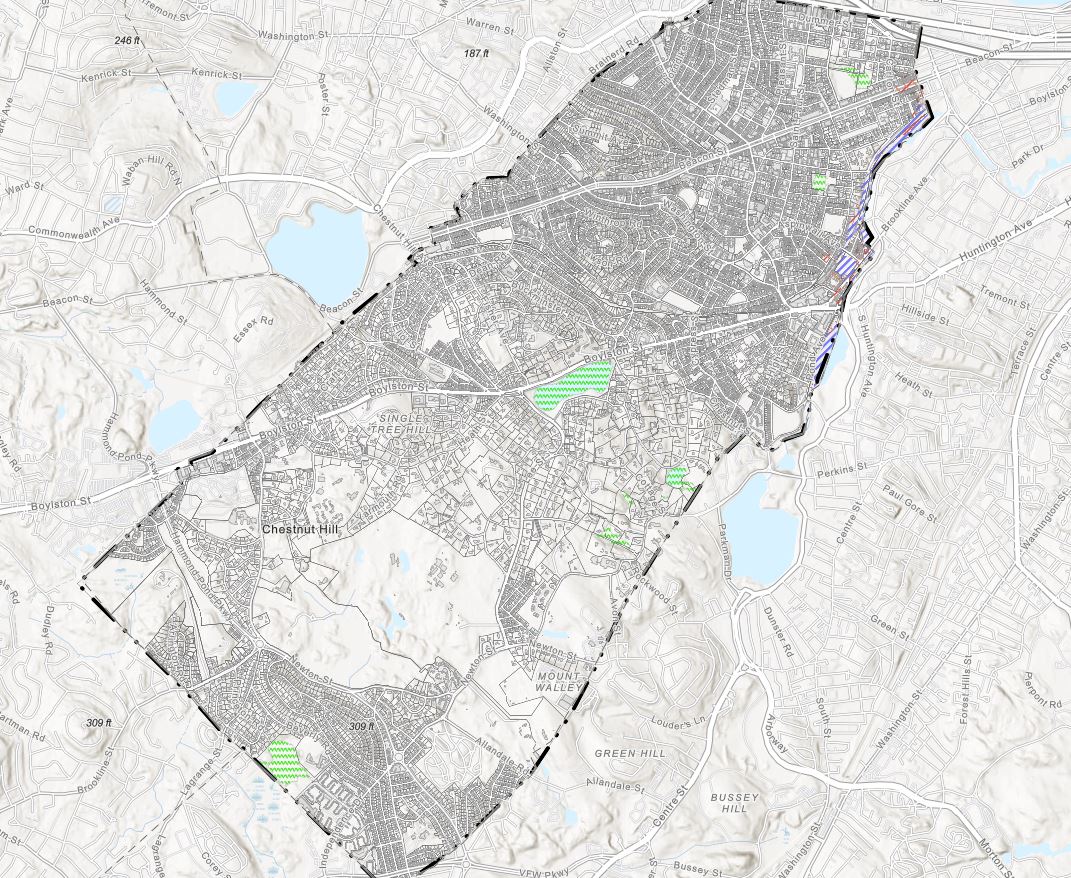
Brookline’s newly updated FEMA flood maps identify 97 high‑risk parcels, but local experts warn the true threat is far greater. While FEMA highlights river‑based flooding around Leverett Pond and the Muddy River, alternative models show more than 1,300 Brookline properties at risk within 30 years. Hidden vulnerabilities along major corridors like Beacon Street, rising rainfall intensity, aging infrastructure, and climate‑driven storm patterns suggest that many “low‑risk” areas may be anything but safe.