Unraveling the Affordable Housing Crisis Through Zoning Reforms
The affordable housing crisis in the United States is a complex issue, and no single solution can address it entirely. However, many cities are increasingly looking to zoning reform as a pivotal strategy to boost housing supply. As Urban Land Magazine reports, the severity of the crisis has pushed it to the forefront of political agendas, making politicians more inclined to tackle the issue.
City planner M. Nolan Gray, author of Arbitrary Lines: How Zoning Broke the American City and How to Fix It, highlights the shift in urban policies. “Dozens of cities have scrapped exclusionary single-family home zoning and parking requirements, which was previously inconceivable,” Gray notes.
The Shift Towards Inclusive Zoning
David Garcia, policy director for the Terner Center for Housing Innovation at the University of California, Berkeley, underscores the growing openness to zoning changes. “Many jurisdictions are reluctant to use zoning reform due to backlash, but the idea of allowing multiple units on single-family parcels is gaining traction,” Garcia explains.
Despite the momentum, the impact of recent zoning changes is still unfolding. Garcia warns that piecemeal reforms may not achieve the desired outcomes, and comprehensive zoning changes are often challenging to implement.
According to Toccarra Nicole Thomas, director of land use and development at Smart Growth America, zoning has historically contributed to the crisis by focusing on low-density, auto-centric housing. “Zoning is inherently inflexible,” Thomas asserts. She advocates for comprehensive reform to effectively generate affordable housing.
Strategies for Effective Zoning Reform
Gray suggests that allowing “by right” building permits could significantly streamline the development process. Other recommended zoning reforms include reducing lot size requirements, eliminating parking restrictions, and allowing manufactured housing.
Reducing lot size requirements
Eliminating parking restrictions
Allowing manufactured housing
Several cities have successfully implemented zoning reforms. In Oakland, California, the transformation of Auto Row into a residential hub is a prime example. Similarly, Washington, D.C., has seen the revitalization of former industrial areas like the Navy Yard and NoMa into vibrant mixed-use communities.
Political Challenges and Opportunities
Zoning reform is not without its political challenges. Thomas points out that reform efforts often face opposition from NIMBYs (Not In My Backyard) and BANANAs (Building Absolutely Nothing Anywhere Near Anything). However, engaging with community stakeholders and building coalitions can help overcome resistance.
Garcia advises developers to engage with communities early in the planning process to demonstrate the benefits of new housing developments. “Data showing that new housing can increase the value of existing homes can be persuasive,” he says.
Ultimately, zoning reform is a gradual process. As Gray emphasizes, “We’re rolling back 100 years of policy that made it nearly impossible to build housing in dense cities, so it will take time to fix.” Yet, progress is being made, and the potential for transformative change is on the horizon.
Getting licensed or staying ahead in your career can be a journey—but it doesn’t have to be overwhelming. Grab your favorite coffee or tea, take a moment to relax, and browse through our articles. Whether you’re just starting out or renewing your expertise, we’ve got tips, insights, and advice to keep you moving forward. Here’s to your success—one sip and one step at a time!
Cybercrime in 2025 has evolved into a full‑scale service economy, with malware now available through subscription platforms that operate like mainstream tech businesses. Bitsight’s latest analysis reveals explosive growth in Malware‑as‑a‑Service tools, rising attacks across industries like healthcare, finance, tech, and real estate, and a surge in cross‑platform malware and supply‑chain exploits. For professionals in any licensed field, the message is clear: today’s digital landscape demands heightened vigilance, stronger identity security, and proactive defense against an increasingly organized underground threat environment.
A new proptech startup in the UAE, Gllit is redefining how property deals happen by removing agents, eliminating commissions, and integrating AI tools that let users create professional listings in seconds. With a fast, transparent, and direct-to-owner model, Gllit offers a glimpse into the future of global real estate — and a powerful case study for U.S. professionals preparing for tech-driven changes in the industry.
The 2026 housing market is shaping up to be a year of stability with a few surprises. Mortgage rates are expected to hold steady, home price growth is slowing, and yet ownership costs continue to rise due to soaring taxes and insurance. Meanwhile, renting is becoming more attractive as affordability improves and built‑to‑rent communities expand. This breakdown highlights the biggest trends ahead — and what they mean for buyers, sellers, and real estate professionals, especially in Florida.
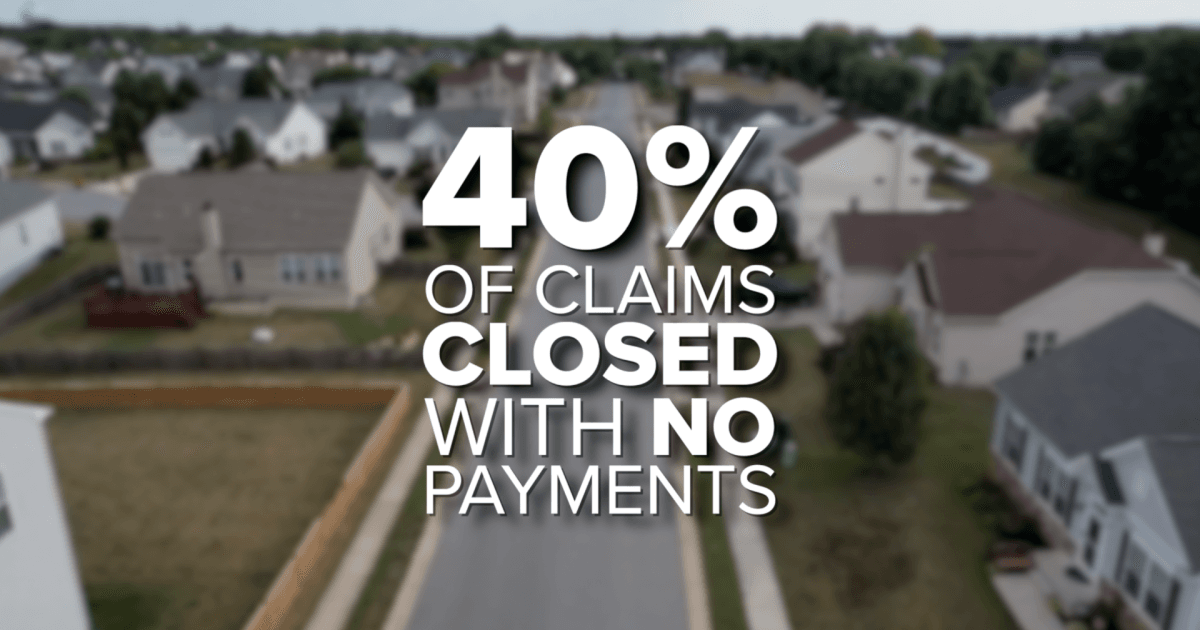
Florida homeowners are facing some of the highest insurance premiums in the nation, with average costs now topping $5,800 per year—about $3,000 above the U.S. average. Many residents report their rates have doubled or even tripled, while more than 40 percent of claims are closed with no payment. As frustration grows, state lawmakers and consumer advocates are pushing for transparency, rate caps, and incentives to help storm‑proof homes. The outcome of these reform efforts could reshape Florida’s real estate market, insurance landscape, and affordability for years to come.
A new global study from Risk.net and SAS reveals that many insurance companies are still making key decisions in isolated silos, despite industry-wide pushes toward data-driven strategies. While most leaders claim to have a clear vision, 38 percent admit they lack a real-time view of risks, revenue and costs. With poor data quality, limited collaboration and outdated processes holding teams back, experts say the industry is poised for a major transformation through AI, analytics and unified strategy—offering lessons for professionals across insurance, real estate, finance and other regulated fields.
Atlanta’s housing market is shifting into a more balanced and predictable phase. Prices have leveled off, inventory has finally caught up, and mortgage rates are easing enough to bring buyers back into the game. With steady demand, growing listings, and only mild price corrections forecasted into 2026, Atlanta remains one of the Southeast’s strongest real estate markets for buyers, sellers, and investors alike.