Unraveling the Remote Learning Experience: A Journey Through Student Perspectives

In the wake of the COVID-19 pandemic, educational institutions worldwide faced an unprecedented shift from traditional classrooms to remote learning environments. This seismic transition has been the subject of a comprehensive study published by Frontiers in Education, which delves into the experiences and perceptions of students globally. The research, conducted by a team of scholars, sought to understand how students adapted to remote learning and to identify best practices for future online education.
According to the study, which gathered insights from 4,789 undergraduate students across 95 countries, there is a clear preference for synchronous online classes over asynchronous methods. This preference is largely attributed to the enhanced engagement and motivation reported by students participating in live, interactive sessions. The findings suggest that synchronous learning, which often incorporates active-learning techniques, helps mitigate feelings of isolation and fosters a sense of community among students.
Active Learning: The Key to Engagement
The research highlights the significance of active-learning methods in remote education. Students who experienced classes with active-learning techniques reported higher levels of engagement, motivation, and satisfaction. These techniques, which include group discussions and interactive activities, are known to improve learning outcomes in both traditional and online settings.
Furthermore, the study indicates that a diverse range of pedagogical methods, combining both active and passive learning strategies, leads to more positive student perceptions. This diversity in teaching approaches appears to be crucial in maintaining student interest and attention, especially in an online environment where distractions are prevalent.
Social Interaction: A Crucial Element
A recurring theme in the study is the importance of social interaction in learning. Students expressed a strong desire for increased engagement and interaction in their online courses. This aligns with the Social Presence Theory, which emphasizes the role of human connection in enhancing learning outcomes. The study’s authors argue that integrating social elements into online courses can significantly improve the student experience.
For more insights and to access the full dataset, visit the original article on Frontiers in Education. Additionally, the Harvard Dataverse provides the complete dataset for further exploration, available here.
Looking Ahead: Implications for Future Online Education
As educational institutions continue to navigate the challenges of remote learning, this study offers valuable insights into student preferences and effective teaching strategies. By prioritizing active learning and social interaction, educators can create more engaging and effective online learning environments. The lessons learned from this global experiment in remote education will undoubtedly shape the future of higher education, ensuring that it is more adaptable and resilient in the face of future disruptions.

More Articles

Getting licensed or staying ahead in your career can be a journey—but it doesn’t have to be overwhelming. Grab your favorite coffee or tea, take a moment to relax, and browse through our articles. Whether you’re just starting out or renewing your expertise, we’ve got tips, insights, and advice to keep you moving forward. Here’s to your success—one sip and one step at a time!

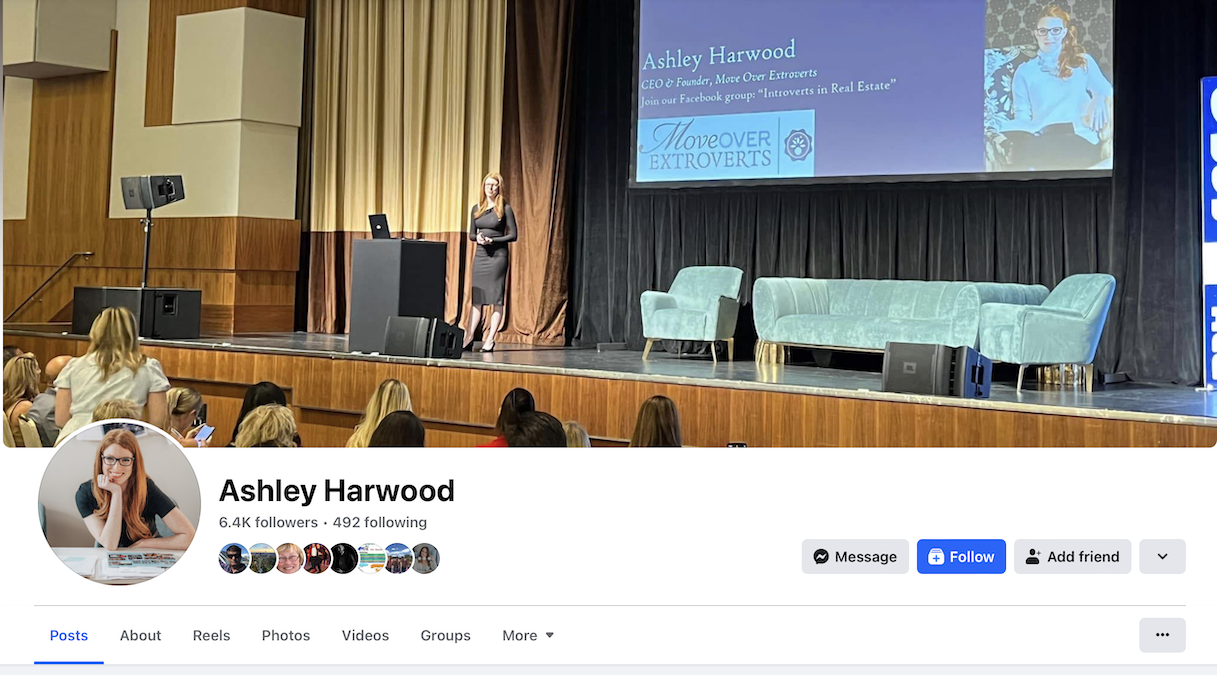
Maximizing Your Real Estate Impact: A Guide to Facebook Pages in 2025

Despite the rise of platforms like TikTok, Facebook remains a powerful tool for real estate professionals aiming to generate leads and build their personal brand.

Urban Revival Sets Stage for Real Estate Boom in Major Cities

The return to office environments is reshaping urban markets, with cities like San Francisco and New York witnessing a resurgence in property demand.

Gen Z’s Innovative Approach to NYC Living: A New Era of Co-Living

In the bustling metropolis of New York City, where rent prices often soar beyond the reach of many, a new trend is emerging among Gen Z: co-living in upscale, amenity-rich spaces for an average of $1,600 a month. This innovative approach is spearheaded by Belgian co-living company, Cohabs, which currently operates 14 properties in the city, housing over 400 members.

By |March 7, 2025|Categories: Article, Lifestyle, Real Estate|Tags: , |0 Comments

Real Estate Market in 2025: Key Trends to Watch

In the ever-evolving landscape of real estate, 2025 is shaping up to be a landmark year. With a new administration in place, the market is poised for significant changes that will impact buyers, sellers, and renters alike.

By |March 7, 2025|Categories: Article, Housing Trends, Real Estate|Tags: |0 Comments

AI in Real Estate: Revolutionizing the Industry

In the ever-evolving world of real estate, artificial intelligence (AI) is not just a tool; it's a revolution. As the digital frontier expands, AI is fundamentally transforming how properties are acquired, sold, and managed. This shift is not merely theoretical; it's a practical upheaval that is reshaping the landscape of real estate with unprecedented precision and efficiency.

Houston’s Real Estate Market in 2025: Stability Amid Change

Local brokerage executives have shared their predictions for Houston's real estate market in 2025. Leaders from renowned agencies foresee a relatively stable market with certain regions experiencing an upward trend.


By |March 6, 2025|Categories: Article, Market Predictions, Real Estate|Tags: |0 Comments