Unraveling the Ties Between Sleep and Chronic Disease: Insights from Wearable Technology
In a groundbreaking study published in Nature, researchers have delved into the intricate relationship between sleep patterns and chronic disease risk, using data harvested from commercial wearable devices like Fitbit. This study, part of the All of Us Research Program, harnesses the power of long-term monitoring to paint a comprehensive picture of how sleep impacts health over time.
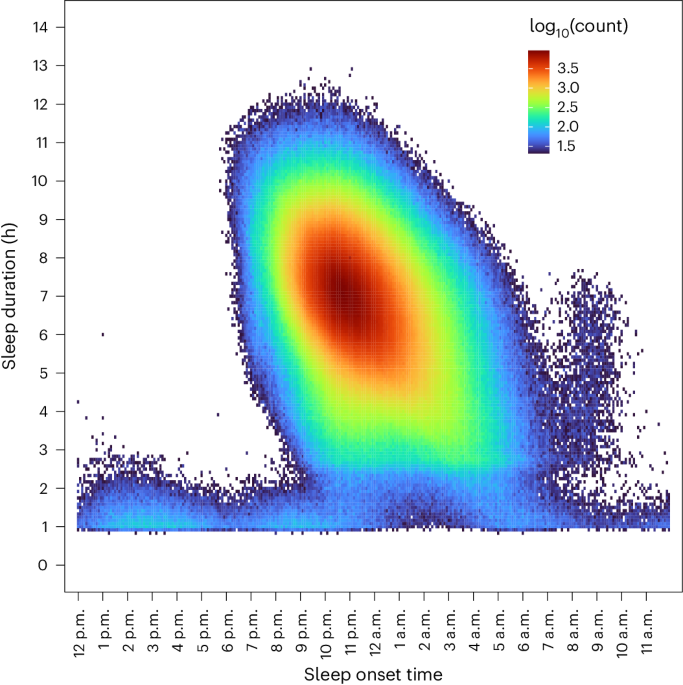
The researchers meticulously analyzed the sleep data of thousands of participants, focusing on various metrics such as sleep stages, duration, and regularity. The findings underscore a significant association between these sleep patterns and the incidence of chronic diseases, including obesity, hypertension, and psychiatric disorders.
The study’s results are not only a testament to the potential of wearable technology in health monitoring but also a call to action for public health initiatives. By tracking sleep patterns over extended periods, wearables provide a unique opportunity to observe the long-term effects of sleep on health, offering valuable insights for both public health policies and individual health management.
As noted in the original article, this research builds on previous studies, such as those by Ayas et al. on sleep duration and coronary heart disease, and Cribb et al. on sleep regularity and mortality. These studies have laid the foundation for understanding the critical role sleep plays in overall health.
Wearables: A New Frontier in Health Monitoring
The use of devices like Fitbit has revolutionized the way we approach health monitoring. By providing continuous, objective data, these devices allow researchers to conduct longitudinal studies that were previously impractical due to cost and logistical constraints. This paradigm shift is opening new doors for understanding the complex interactions between lifestyle factors and health outcomes.
The implications of this study are far-reaching. For individuals, it highlights the importance of maintaining healthy sleep habits as a preventive measure against chronic diseases. For healthcare providers, it emphasizes the potential of integrating wearable data into routine care, enabling more personalized and proactive health management.
Conclusion
In conclusion, the study published in Nature offers a compelling argument for the integration of wearable technology in health research and management. By shedding light on the profound impact of sleep on chronic disease risk, it provides a roadmap for future research and underscores the importance of sleep in maintaining overall health. As we continue to embrace technology in healthcare, the insights gained from such studies will be invaluable in shaping a healthier future.
More Articles
Getting licensed or staying ahead in your career can be a journey—but it doesn’t have to be overwhelming. Grab your favorite coffee or tea, take a moment to relax, and browse through our articles. Whether you’re just starting out or renewing your expertise, we’ve got tips, insights, and advice to keep you moving forward. Here’s to your success—one sip and one step at a time!
Investopedia has embarked on a comprehensive journey to evaluate online real estate schools, aiming to guide both aspiring and current real estate professionals in selecting the best educational options.
Spotify, the Swedish audio streaming giant, is under scrutiny for its impact on the music industry. As detailed in Liz Pelly's critical examination, "Mood Machine: The Rise of Spotify and the Costs of the Perfect Playlist," Spotify's algorithms are reshaping music consumption by prioritizing passive listening over artistic creativity. This shift has significant implications for musicians and the future of music as a whole.
President Donald J. Trump, inaugurated as the nation's 47th president on January 20, 2025, wasted no time in fulfilling his campaign promises with a series of executive orders on immigration, trade, energy, and federal workforce policies.
Indiana is set to transition to a new bar examination format in July 2028, as announced by the National Conference of Bar Examiners (NCBE). This change marks a significant shift from the current Uniform Bar Examination, which the state has utilized since 2021.
In the realm of real estate, adaptability and tenacity are essential traits for success, as exemplified by Laura Elleby's remarkable journey. Transitioning from a career in medical device sales to the luxury real estate sector, she has leveraged her skills and determination to become a leading figure in the industry.