Unraveling the Ties Between Sleep and Chronic Disease: Insights from Wearable Technology
In a groundbreaking study published in Nature, researchers have delved into the intricate relationship between sleep patterns and chronic disease risk, using data harvested from commercial wearable devices like Fitbit. This study, part of the All of Us Research Program, harnesses the power of long-term monitoring to paint a comprehensive picture of how sleep impacts health over time.
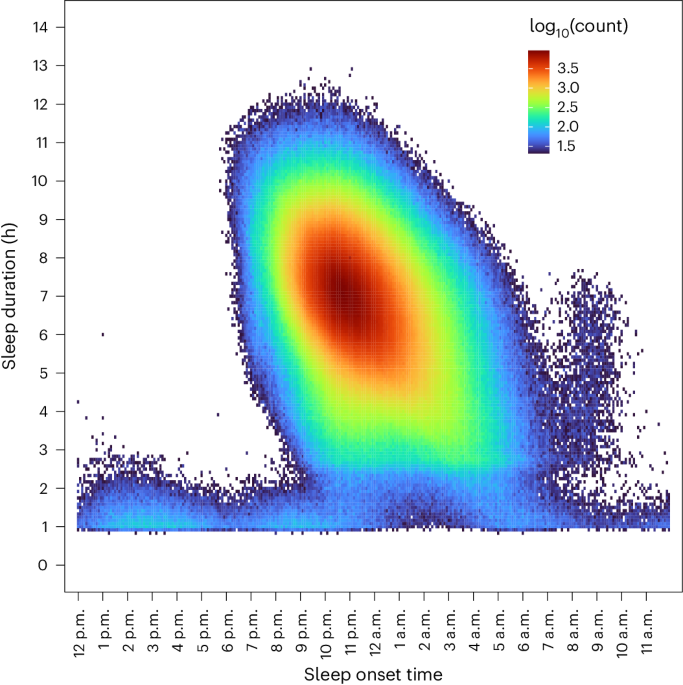
The researchers meticulously analyzed the sleep data of thousands of participants, focusing on various metrics such as sleep stages, duration, and regularity. The findings underscore a significant association between these sleep patterns and the incidence of chronic diseases, including obesity, hypertension, and psychiatric disorders.
The study’s results are not only a testament to the potential of wearable technology in health monitoring but also a call to action for public health initiatives. By tracking sleep patterns over extended periods, wearables provide a unique opportunity to observe the long-term effects of sleep on health, offering valuable insights for both public health policies and individual health management.
As noted in the original article, this research builds on previous studies, such as those by Ayas et al. on sleep duration and coronary heart disease, and Cribb et al. on sleep regularity and mortality. These studies have laid the foundation for understanding the critical role sleep plays in overall health.
Wearables: A New Frontier in Health Monitoring
The use of devices like Fitbit has revolutionized the way we approach health monitoring. By providing continuous, objective data, these devices allow researchers to conduct longitudinal studies that were previously impractical due to cost and logistical constraints. This paradigm shift is opening new doors for understanding the complex interactions between lifestyle factors and health outcomes.
The implications of this study are far-reaching. For individuals, it highlights the importance of maintaining healthy sleep habits as a preventive measure against chronic diseases. For healthcare providers, it emphasizes the potential of integrating wearable data into routine care, enabling more personalized and proactive health management.
Conclusion
In conclusion, the study published in Nature offers a compelling argument for the integration of wearable technology in health research and management. By shedding light on the profound impact of sleep on chronic disease risk, it provides a roadmap for future research and underscores the importance of sleep in maintaining overall health. As we continue to embrace technology in healthcare, the insights gained from such studies will be invaluable in shaping a healthier future.
More Articles
Getting licensed or staying ahead in your career can be a journey—but it doesn’t have to be overwhelming. Grab your favorite coffee or tea, take a moment to relax, and browse through our articles. Whether you’re just starting out or renewing your expertise, we’ve got tips, insights, and advice to keep you moving forward. Here’s to your success—one sip and one step at a time!
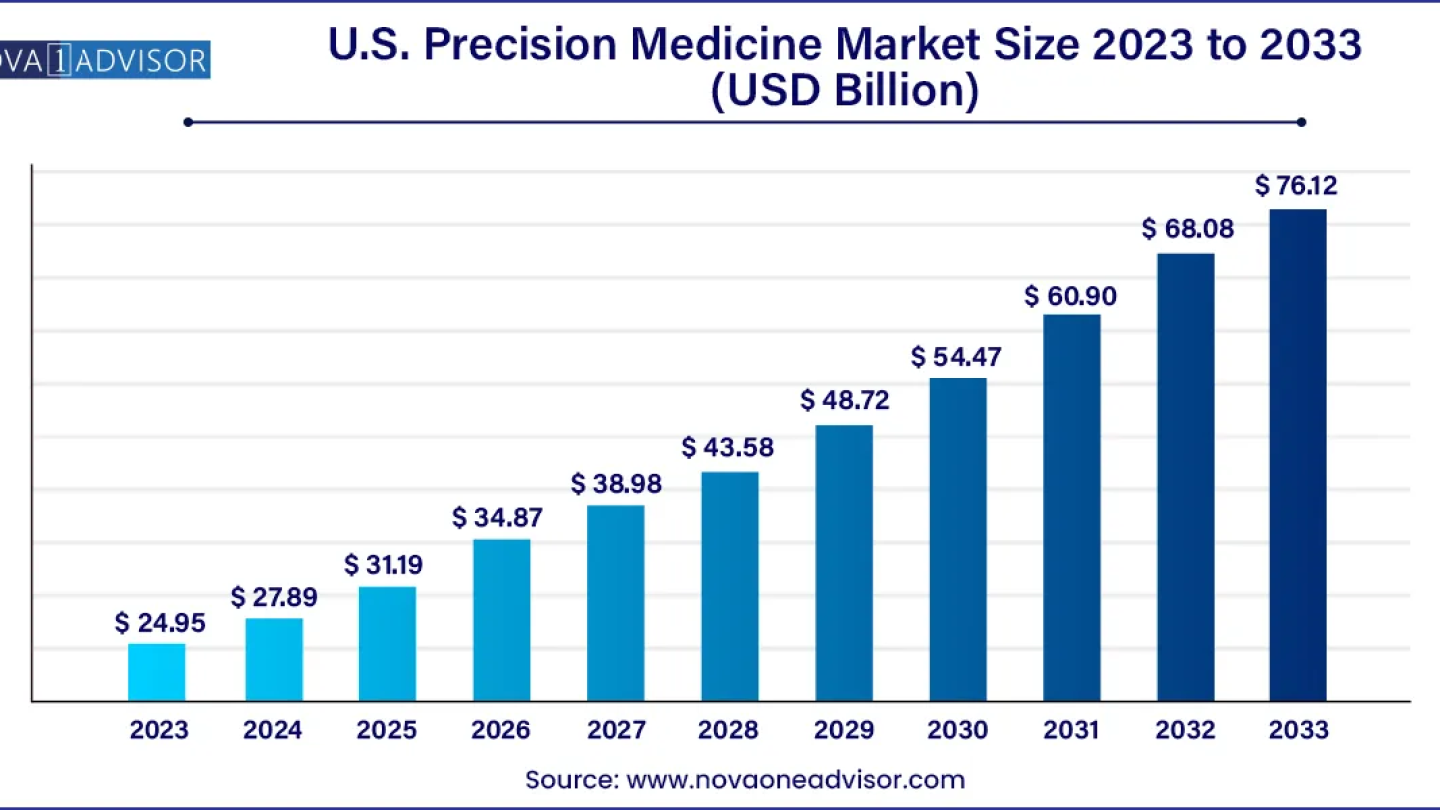
The U.S. precision medicine market is projected to expand from USD 24.95 billion in 2023 to a staggering USD 76.12 billion by 2033, driven by a compound annual growth rate (CAGR) of 11.80% from 2024 to 2033.
"As we edge closer to 2025, experts from the cybersecurity firm Resilience have shared their insights, shedding light on the challenges and transformations that lie ahead."
In an unprecedented leap for preventive medicine, the National Health Service (NHS) in England is poised to trial Aire-DM, a groundbreaking AI tool designed to predict the risk of type 2 diabetes a remarkable 13 years before its onset.
In a groundbreaking study, AI shows potential to match or surpass specialists in diagnosing skin cancer, challenging traditional dermatological practices.
In a world where the promise of personalized medicine is finally being realized, Erez Meltzer, CEO & Board Member of Nanox, stands at the forefront of this revolution.
In a compelling exploration of the financial landscape, Himanshu Kumar, CEO of AMBCrypto, delves into the transformative potential of Decentralized Finance (DeFi) and its implications for traditional banking. Highlighting DeFi's revolutionary approach, Kumar discusses how the democratization of financial services through blockchain technology is reshaping access, breaking down barriers, and challenging established institutions.