Unraveling the Ties Between Sleep and Chronic Disease: Insights from Wearable Technology
In a groundbreaking study published in Nature, researchers have delved into the intricate relationship between sleep patterns and chronic disease risk, using data harvested from commercial wearable devices like Fitbit. This study, part of the All of Us Research Program, harnesses the power of long-term monitoring to paint a comprehensive picture of how sleep impacts health over time.
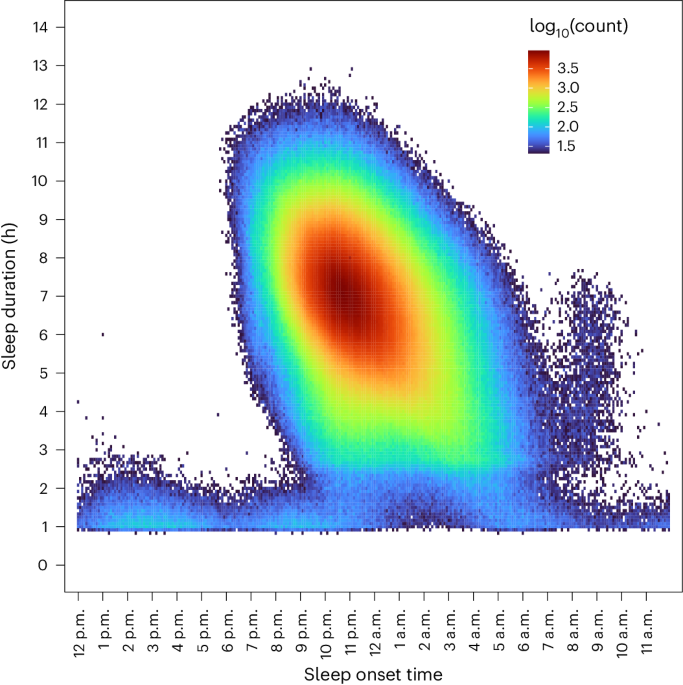
The researchers meticulously analyzed the sleep data of thousands of participants, focusing on various metrics such as sleep stages, duration, and regularity. The findings underscore a significant association between these sleep patterns and the incidence of chronic diseases, including obesity, hypertension, and psychiatric disorders.
The study’s results are not only a testament to the potential of wearable technology in health monitoring but also a call to action for public health initiatives. By tracking sleep patterns over extended periods, wearables provide a unique opportunity to observe the long-term effects of sleep on health, offering valuable insights for both public health policies and individual health management.
As noted in the original article, this research builds on previous studies, such as those by Ayas et al. on sleep duration and coronary heart disease, and Cribb et al. on sleep regularity and mortality. These studies have laid the foundation for understanding the critical role sleep plays in overall health.
Wearables: A New Frontier in Health Monitoring
The use of devices like Fitbit has revolutionized the way we approach health monitoring. By providing continuous, objective data, these devices allow researchers to conduct longitudinal studies that were previously impractical due to cost and logistical constraints. This paradigm shift is opening new doors for understanding the complex interactions between lifestyle factors and health outcomes.
The implications of this study are far-reaching. For individuals, it highlights the importance of maintaining healthy sleep habits as a preventive measure against chronic diseases. For healthcare providers, it emphasizes the potential of integrating wearable data into routine care, enabling more personalized and proactive health management.
Conclusion
In conclusion, the study published in Nature offers a compelling argument for the integration of wearable technology in health research and management. By shedding light on the profound impact of sleep on chronic disease risk, it provides a roadmap for future research and underscores the importance of sleep in maintaining overall health. As we continue to embrace technology in healthcare, the insights gained from such studies will be invaluable in shaping a healthier future.
More Articles
Getting licensed or staying ahead in your career can be a journey—but it doesn’t have to be overwhelming. Grab your favorite coffee or tea, take a moment to relax, and browse through our articles. Whether you’re just starting out or renewing your expertise, we’ve got tips, insights, and advice to keep you moving forward. Here’s to your success—one sip and one step at a time!
"Dive deep into the mortgage rates forecast and 2023 bond yields predictions. Understand housing inventory reports and market direction, and tap into economic data impacting mortgage rates. Cameron Academy equips you with comprehensive real estate industry knowledge."
"Delve into the essential realm of Home Insurance for Rental Properties in real estate investing. Harness the power of Tax Deductible Home Insurance and take a strategic approach to landlord policies to maximize returns. Navigate complicated insurance policy elements with Cameron Academy for success."
Learn how understanding "HOA Fees Tax Deduction" and "Claiming tax deductions on homeowners association fees" can help investors reduce tax liability. Explore online courses to navigate complex tax laws and make informed decisions on HOA dues as a business expense.
Zillow's recent survey elucidates how interest rates play a pivotal role in homeowners' selling decisions. The study uncovers key trends like homeowners with rates under 5% being less likely to sell and how the market scarcity is further fuelled by homeowners holding onto low-rate mortgages.
"Unpacking 'Rent Control on GSE-Backed Multifamily Properties,' this analysis addresses the concerns of housing providers, outlines potential drawbacks of rent control, and explores the Lincoln Institute of Land Policy's recommendations. The goal? To ensure a balance in moderating rental prices while fostering affordable housing."
With property prices on the rise, understanding this trend is crucial for those involved in the real estate sector. Cameron Academy offers courses that provide valuable insights into the "Luxury Homes Market Trends" and the "East Coast vs West Coast Property Prices".