Unraveling the Ties Between Sleep and Chronic Disease: Insights from Wearable Technology
In a groundbreaking study published in Nature, researchers have delved into the intricate relationship between sleep patterns and chronic disease risk, using data harvested from commercial wearable devices like Fitbit. This study, part of the All of Us Research Program, harnesses the power of long-term monitoring to paint a comprehensive picture of how sleep impacts health over time.
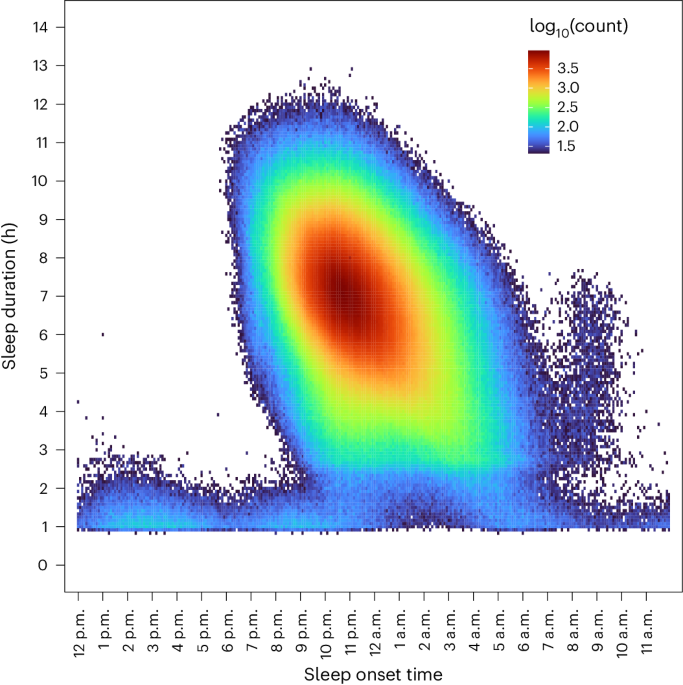
The researchers meticulously analyzed the sleep data of thousands of participants, focusing on various metrics such as sleep stages, duration, and regularity. The findings underscore a significant association between these sleep patterns and the incidence of chronic diseases, including obesity, hypertension, and psychiatric disorders.
The study’s results are not only a testament to the potential of wearable technology in health monitoring but also a call to action for public health initiatives. By tracking sleep patterns over extended periods, wearables provide a unique opportunity to observe the long-term effects of sleep on health, offering valuable insights for both public health policies and individual health management.
As noted in the original article, this research builds on previous studies, such as those by Ayas et al. on sleep duration and coronary heart disease, and Cribb et al. on sleep regularity and mortality. These studies have laid the foundation for understanding the critical role sleep plays in overall health.
Wearables: A New Frontier in Health Monitoring
The use of devices like Fitbit has revolutionized the way we approach health monitoring. By providing continuous, objective data, these devices allow researchers to conduct longitudinal studies that were previously impractical due to cost and logistical constraints. This paradigm shift is opening new doors for understanding the complex interactions between lifestyle factors and health outcomes.
The implications of this study are far-reaching. For individuals, it highlights the importance of maintaining healthy sleep habits as a preventive measure against chronic diseases. For healthcare providers, it emphasizes the potential of integrating wearable data into routine care, enabling more personalized and proactive health management.
Conclusion
In conclusion, the study published in Nature offers a compelling argument for the integration of wearable technology in health research and management. By shedding light on the profound impact of sleep on chronic disease risk, it provides a roadmap for future research and underscores the importance of sleep in maintaining overall health. As we continue to embrace technology in healthcare, the insights gained from such studies will be invaluable in shaping a healthier future.
More Articles
Getting licensed or staying ahead in your career can be a journey—but it doesn’t have to be overwhelming. Grab your favorite coffee or tea, take a moment to relax, and browse through our articles. Whether you’re just starting out or renewing your expertise, we’ve got tips, insights, and advice to keep you moving forward. Here’s to your success—one sip and one step at a time!
Florida’s home insurance market is experiencing a wave of optimism as recent litigation reforms lead to fewer lawsuits, stronger insurer stability, and even rate reductions. With companies like Florida Peninsula lowering premiums and 17 new insurers entering the state, real estate, mortgage, and insurance professionals can expect smoother transactions, increased buyer confidence, and a more competitive market environment in the year ahead.
Mortgage rates have dipped to levels not seen since 2022, with the 30‑year fixed averaging just 6.361% and Freddie Mac reporting an even lower 6.06%. The drop is reshaping buyer affordability, sparking renewed market activity, and creating fresh opportunities for real estate professionals—especially in fast‑moving markets like Florida.
The 2026 housing market is shaping up to be one of the most pivotal in years, with mortgage rates showing slight relief, affordability shifting toward the Midwest and South, and buyers turning to options like ARMs and new‑construction homes. Early signals point to new opportunities for buyers, investors, and real‑estate professionals—especially those ready to navigate a market defined by moderate rate drops, regional affordability gaps, and builder‑driven incentives.
Ares Commercial Real Estate CEO Bryan Donohoe sold US$107k in shares this week, trimming his stake by 13% and adding to a pattern of insider selling with no insider purchases in the past 12 months. With insider ownership sitting at a modest 1.6%, the activity signals a cautious tone inside the company—something real estate, mortgage, and finance professionals may want to watch as they assess broader market confidence.
Florida’s 2026 legislative session is officially underway, launching a wave of high‑impact bills targeting property insurance reform, a proposal to eliminate property taxes, new education attendance requirements, and even an AI Bill of Rights. With over a hundred bills already filed, real estate agents, investors, insurers, educators, and other licensed professionals can expect significant regulatory shifts that may reshape Florida’s housing market, insurance costs, and professional compliance standards.
Warren Buffett’s timeless investing wisdom is more relevant than ever in 2026. Despite decades of market change, his core lesson remains the same: long‑term conviction outperforms short‑term prediction. From embracing occasional underperformance to avoiding emotional decisions, Buffett’s philosophy highlights why deep understanding and steady confidence are more valuable than trying to forecast market swings. This mindset isn’t just for investors—it’s a guiding principle for professionals looking to grow their careers with clarity and purpose.