Unraveling the Ties Between Sleep and Chronic Disease: Insights from Wearable Technology
In a groundbreaking study published in Nature, researchers have delved into the intricate relationship between sleep patterns and chronic disease risk, using data harvested from commercial wearable devices like Fitbit. This study, part of the All of Us Research Program, harnesses the power of long-term monitoring to paint a comprehensive picture of how sleep impacts health over time.
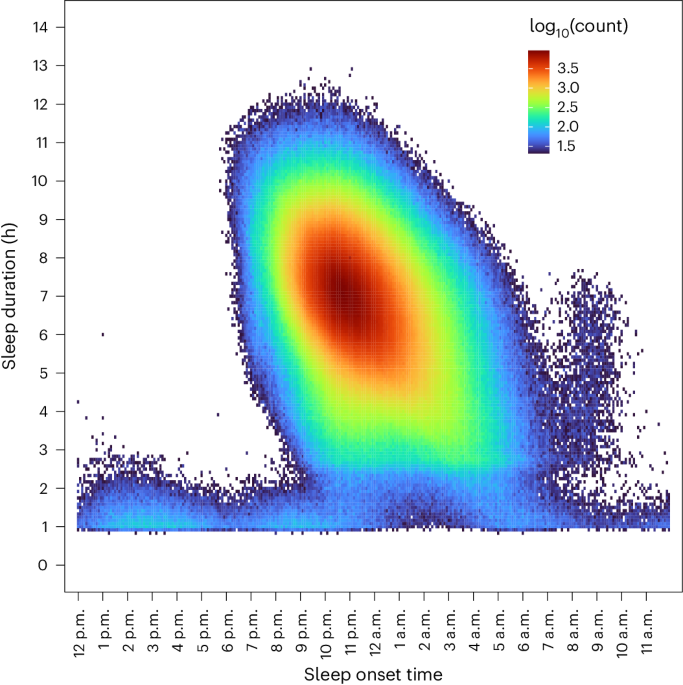
The researchers meticulously analyzed the sleep data of thousands of participants, focusing on various metrics such as sleep stages, duration, and regularity. The findings underscore a significant association between these sleep patterns and the incidence of chronic diseases, including obesity, hypertension, and psychiatric disorders.
The study’s results are not only a testament to the potential of wearable technology in health monitoring but also a call to action for public health initiatives. By tracking sleep patterns over extended periods, wearables provide a unique opportunity to observe the long-term effects of sleep on health, offering valuable insights for both public health policies and individual health management.
As noted in the original article, this research builds on previous studies, such as those by Ayas et al. on sleep duration and coronary heart disease, and Cribb et al. on sleep regularity and mortality. These studies have laid the foundation for understanding the critical role sleep plays in overall health.
Wearables: A New Frontier in Health Monitoring
The use of devices like Fitbit has revolutionized the way we approach health monitoring. By providing continuous, objective data, these devices allow researchers to conduct longitudinal studies that were previously impractical due to cost and logistical constraints. This paradigm shift is opening new doors for understanding the complex interactions between lifestyle factors and health outcomes.
The implications of this study are far-reaching. For individuals, it highlights the importance of maintaining healthy sleep habits as a preventive measure against chronic diseases. For healthcare providers, it emphasizes the potential of integrating wearable data into routine care, enabling more personalized and proactive health management.
Conclusion
In conclusion, the study published in Nature offers a compelling argument for the integration of wearable technology in health research and management. By shedding light on the profound impact of sleep on chronic disease risk, it provides a roadmap for future research and underscores the importance of sleep in maintaining overall health. As we continue to embrace technology in healthcare, the insights gained from such studies will be invaluable in shaping a healthier future.
More Articles
Getting licensed or staying ahead in your career can be a journey—but it doesn’t have to be overwhelming. Grab your favorite coffee or tea, take a moment to relax, and browse through our articles. Whether you’re just starting out or renewing your expertise, we’ve got tips, insights, and advice to keep you moving forward. Here’s to your success—one sip and one step at a time!
Investors worldwide are redeploying capital, embracing more active deal structures, and expanding into new regions as the 2026 market takes shape. Data centers, revived office demand, and global diversification are driving a major shift—creating fresh opportunities for real estate, mortgage, and finance professionals who understand where capital is heading next.
Florida homeowners now pay an average of $5,838 per year for insurance—about $3,000 more than the national average—pushing many families to the financial brink. Residents report premiums tripling, claims being severely underpaid, and insurers dropping policies at one of the highest rates in the country. As frustration mounts, lawmakers and industry experts are calling for sweeping reforms to curb rising costs, increase accountability, and stabilize a market that’s reshaping real estate decisions across the state.
Florida’s insurance market has hit a major turning point. Citizens Property Insurance—once the state’s largest insurer with 1.4 million policies—has shed more than 900,000 policies as private insurers return in force. Driven by Florida’s depopulation program and the arrival of 17 new companies, nearly 200,000 policies shifted to private carriers in October alone, with about 40 percent offering lower premiums. The shift signals rising competition, stabilizing rates, and new opportunities for homeowners and industry professionals navigating Florida’s evolving insurance landscape.
The National Association of REALTORS® has approved 18 major updates to modernize its MLS policies—the largest overhaul in two decades. Announced at NAR NXT in Houston and set to take effect in January 2026, the changes aim to streamline MLS operations, improve enforcement clarity, and better align policies with how today’s real estate professionals actually work.
Inhabit has rolled out a powerful lineup of AI-driven leasing, marketing, fraud prevention, and compliance tools designed to streamline operations and protect property teams from growing risks. From hybrid AI leasing assistants to instant income verification and upcoming portfolio-wide lease audits, these innovations aim to cut costs, eliminate inefficiencies, and strengthen regulatory confidence across the multifamily industry.
Florida’s latest round of insurance reforms was meant to calm a volatile market, yet many experts warn the same deep structural problems remain. Homeowners are being pushed from Citizens into higher‑priced, lightly capitalized private insurers, ratings agencies face scrutiny for inflated grades, and political influence clouds oversight. For real estate and insurance professionals, these trends signal ongoing risk, rising costs, and a market in need of a complete rebuild.