Unveiling Flood Adaptation Disparities in the USA

In a groundbreaking analysis published in Nature on September 27, 2024, researchers have shone a light on the stark disparities in flood adaptation across the United States. Leveraging a dataset of approximately 2.5 million flood insurance claims from FEMA, the study exposes significant differences in how communities access and benefit from flood adaptation measures.

Flooding, as noted by Reuters, constitutes nearly a third of all losses from natural disasters worldwide. In the United States, it causes more damage than any other severe weather-related event, with annual losses averaging over $5 billion, according to the NOAA.

The Role of the Community Rating System

The study focuses on the National Flood Insurance Program’s Community Rating System (CRS), which aims to improve community flood adaptation and resilience. Communities participating in the CRS can implement various flood adaptation activities, such as floodplain mapping and stormwater management, in exchange for reduced flood insurance premiums.

However, the findings reveal that the benefits of the CRS are not evenly distributed. Discrepancies are evident among communities of varying income levels, racial compositions, and geographical characteristics. This calls for policies that address these inequities, ensuring that all communities can equally benefit from flood adaptation investments.

Key Findings and Implications

The study highlights that while flood adaptation measures generally reduce flood losses, the benefits are not uniformly felt. Affluent communities tend to experience more significant savings, while low-income and predominantly racial and ethnic minority communities often see less benefit. This inequity underscores the need for tailored interventions that consider socio-economic and demographic factors.

For instance, communities with high percentages of racial and ethnic minorities see their savings decrease with higher precipitation, indicating that current flood adaptation measures are less effective in these areas. Similarly, less populated communities may lack the resources or technical expertise to implement prescribed activities effectively.

Moving Towards Equitable Interventions

To address these disparities, future flood adaptation strategies must embed equity at their core. This involves re-examining flood adaptation prescriptions and incentives with a focus on race, income, and geographical characteristics to ensure a just and equitable distribution of benefits.

The study calls for interventions that reduce educational and technical barriers, providing necessary resources to communities that face financial and infrastructural challenges. By doing so, the goal is to break existing patterns of inequality and support all communities in mitigating flood losses effectively.

With climate change expected to increase the frequency and severity of flooding, the insights from this study are crucial for shaping policies that can protect vulnerable communities and ensure equitable resilience across the nation.

More Articles

Getting licensed or staying ahead in your career can be a journey—but it doesn’t have to be overwhelming. Grab your favorite coffee or tea, take a moment to relax, and browse through our articles. Whether you’re just starting out or renewing your expertise, we’ve got tips, insights, and advice to keep you moving forward. Here’s to your success—one sip and one step at a time!

Title Insurance Leaders Double Down on Tech and Efficiency to Drive 2026 Market Momentum

The title insurance industry is entering 2026 with a renewed focus on technology, operational efficiency, and stronger agent support after years of volatility. Leaders from major underwriters report rising transaction activity, improved affordability, and a surge in automation and fraud‑prevention tools—signs that smarter systems and better training will define the next wave of growth.

Mortgage CEO Barred in 21 States After Major Education Fraud Settlement

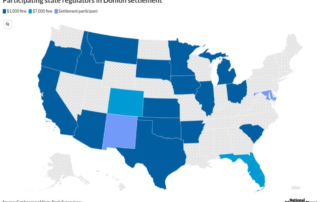
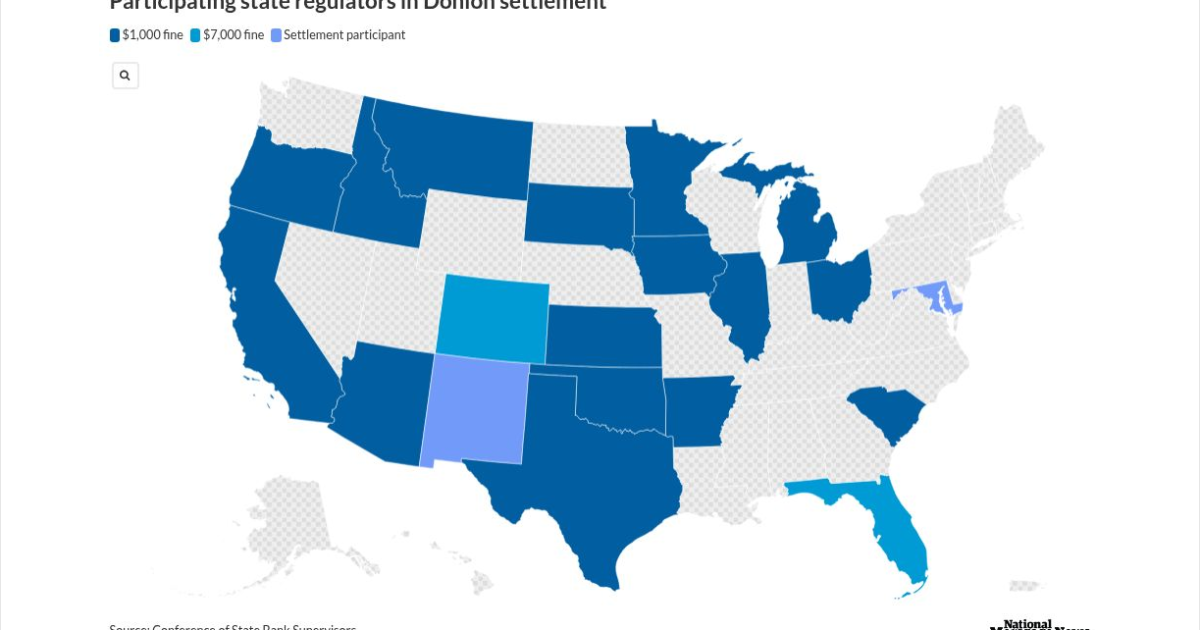
A multistate crackdown has sent shockwaves through the mortgage industry as Patrick Terrance Donlon, CEO of Trusted American Mortgage, accepted a sweeping settlement that bans him from working as a mortgage loan originator in 21 states—19 of them permanently. Regulators say Donlon had another individual complete his mandatory licensing and continuing‑education courses, a violation that triggered a coordinated investigation and a $31,000 penalty. The case underscores regulators’ growing intolerance for education fraud and serves as a sharp reminder to industry professionals: cutting corners on licensing can end careers.

Florida’s Real Estate Slowdown: How Insurance Costs Are Reshaping the Market

Florida’s once‑booming housing market is cooling fast as rising insurance premiums, increasing foreclosures, and expanding flood zones push buyers to back out of deals and force sellers to cut prices. With insurance now adding thousands to annual housing costs, professionals across real estate, mortgage, and insurance are navigating a dramatically shifting landscape that’s redefining affordability in the Sunshine State.

New Florida Laws Taking Effect January 1, 2026: Key Changes Every Professional Should Know

Florida begins 2026 with a wave of more than 250 new laws now in effect, impacting healthcare, insurance, real estate, and consumer protections statewide. From free breast cancer screenings for state employees to tighter pet insurance regulations, mandatory healthcare refund rules, enhanced animal‑cruelty penalties, and new condo‑management requirements, these updates carry major implications for professionals navigating Florida’s evolving regulatory landscape.

Florida’s Barrier Islands: Why Paradise Living Comes With Sky‑High Risks for Homeowners and Agents

Florida’s barrier islands may offer postcard-perfect beaches and soaring real estate demand, but they’re also some of the most fragile and costly places to build in the United States. With 765,000 residents living on land that shifts, sinks, and takes the brunt of every major hurricane, the financial and insurance risks are accelerating fast. From billion‑dollar beach rebuilds to towers settling into the sand, today’s coastal development challenges are reshaping conversations around property values, disclosure, and long‑term resilience. For real estate professionals, understanding these risks isn’t just smart — it’s becoming essential.

Cedar City Builder Redefines Affordable Housing With Luxury‑Style Twin Homes

A Cedar City development is turning heads with its fresh approach to affordability. The team behind Temple View Commons is delivering luxury‑inspired twin homes at prices below the local median by using a small, hands‑on staff and cutting traditional costs like realtor commissions. In a tight Utah housing market where inventory is scarce and prices remain high, their strategy offers a realistic path to homeownership without sacrificing high‑end finishes.