Unveiling Flood Adaptation Disparities in the USA

In a groundbreaking analysis published in Nature on September 27, 2024, researchers have shone a light on the stark disparities in flood adaptation across the United States. Leveraging a dataset of approximately 2.5 million flood insurance claims from FEMA, the study exposes significant differences in how communities access and benefit from flood adaptation measures.

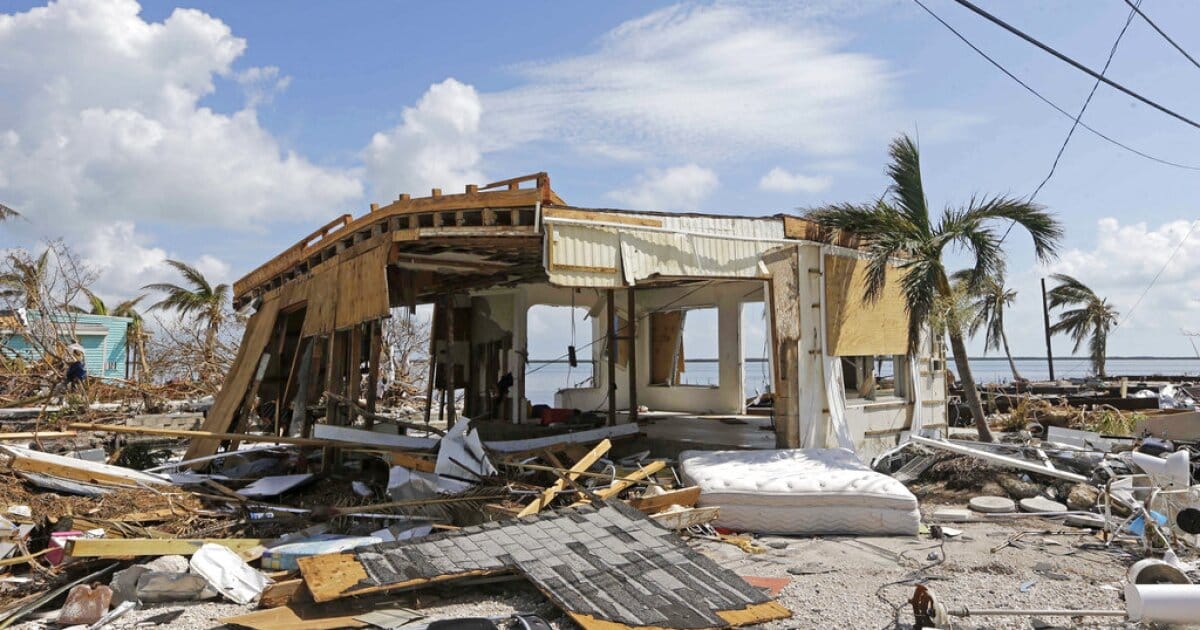
Flooding, as noted by Reuters, constitutes nearly a third of all losses from natural disasters worldwide. In the United States, it causes more damage than any other severe weather-related event, with annual losses averaging over $5 billion, according to the NOAA.

The Role of the Community Rating System

The study focuses on the National Flood Insurance Program’s Community Rating System (CRS), which aims to improve community flood adaptation and resilience. Communities participating in the CRS can implement various flood adaptation activities, such as floodplain mapping and stormwater management, in exchange for reduced flood insurance premiums.

However, the findings reveal that the benefits of the CRS are not evenly distributed. Discrepancies are evident among communities of varying income levels, racial compositions, and geographical characteristics. This calls for policies that address these inequities, ensuring that all communities can equally benefit from flood adaptation investments.

Key Findings and Implications

The study highlights that while flood adaptation measures generally reduce flood losses, the benefits are not uniformly felt. Affluent communities tend to experience more significant savings, while low-income and predominantly racial and ethnic minority communities often see less benefit. This inequity underscores the need for tailored interventions that consider socio-economic and demographic factors.

For instance, communities with high percentages of racial and ethnic minorities see their savings decrease with higher precipitation, indicating that current flood adaptation measures are less effective in these areas. Similarly, less populated communities may lack the resources or technical expertise to implement prescribed activities effectively.

Moving Towards Equitable Interventions

To address these disparities, future flood adaptation strategies must embed equity at their core. This involves re-examining flood adaptation prescriptions and incentives with a focus on race, income, and geographical characteristics to ensure a just and equitable distribution of benefits.

The study calls for interventions that reduce educational and technical barriers, providing necessary resources to communities that face financial and infrastructural challenges. By doing so, the goal is to break existing patterns of inequality and support all communities in mitigating flood losses effectively.

With climate change expected to increase the frequency and severity of flooding, the insights from this study are crucial for shaping policies that can protect vulnerable communities and ensure equitable resilience across the nation.


More Articles

Getting licensed or staying ahead in your career can be a journey—but it doesn’t have to be overwhelming. Grab your favorite coffee or tea, take a moment to relax, and browse through our articles. Whether you’re just starting out or renewing your expertise, we’ve got tips, insights, and advice to keep you moving forward. Here’s to your success—one sip and one step at a time!

The Rising Cost of Disaster: How Insurance Upheaval Is Reshaping Florida’s Middle Class

Skyrocketing insurance premiums and soaring rebuilding costs are transforming communities across Southwest Florida, especially in the wake of Hurricane Ian. As longtime residents struggle to keep up with rising financial pressure, wealthier newcomers and stricter building standards are reshaping the identity of places like Fort Myers Beach. With insurance rates now driving home sales, triggering potential foreclosures, and squeezing both owners and renters, Florida’s middle-class families face a growing question: can they afford to stay in the state they love?

Florida’s Insurance Market Enters Its Strongest Phase in Years as Private Carriers Take Over

Florida’s insurance industry is stabilizing fast, with nearly 1.6 million policies shifting from Citizens to private insurers and litigation dropping sharply. Regulators report stronger market confidence, decreasing premiums, and renewed competition—signaling one of the healthiest periods the state has seen in years.

Florida Judge Restarts Citizens Insurance Arbitration, Re‑Igniting 400+ Stalled Claims

A Leon County judge has ordered the restart of arbitration for Citizens Property Insurance claims, directly conflicting with a previous ruling that halted the process as potentially unconstitutional. With more than 400 cases now back in motion, real estate, insurance, and mortgage professionals can expect renewed activity in claim disputes and fresh uncertainty as Florida courts clash over the legality of Citizens’ arbitration system.

Dallas–Fort Worth Enters a New Real Estate Cycle as Developers Shift Strategies

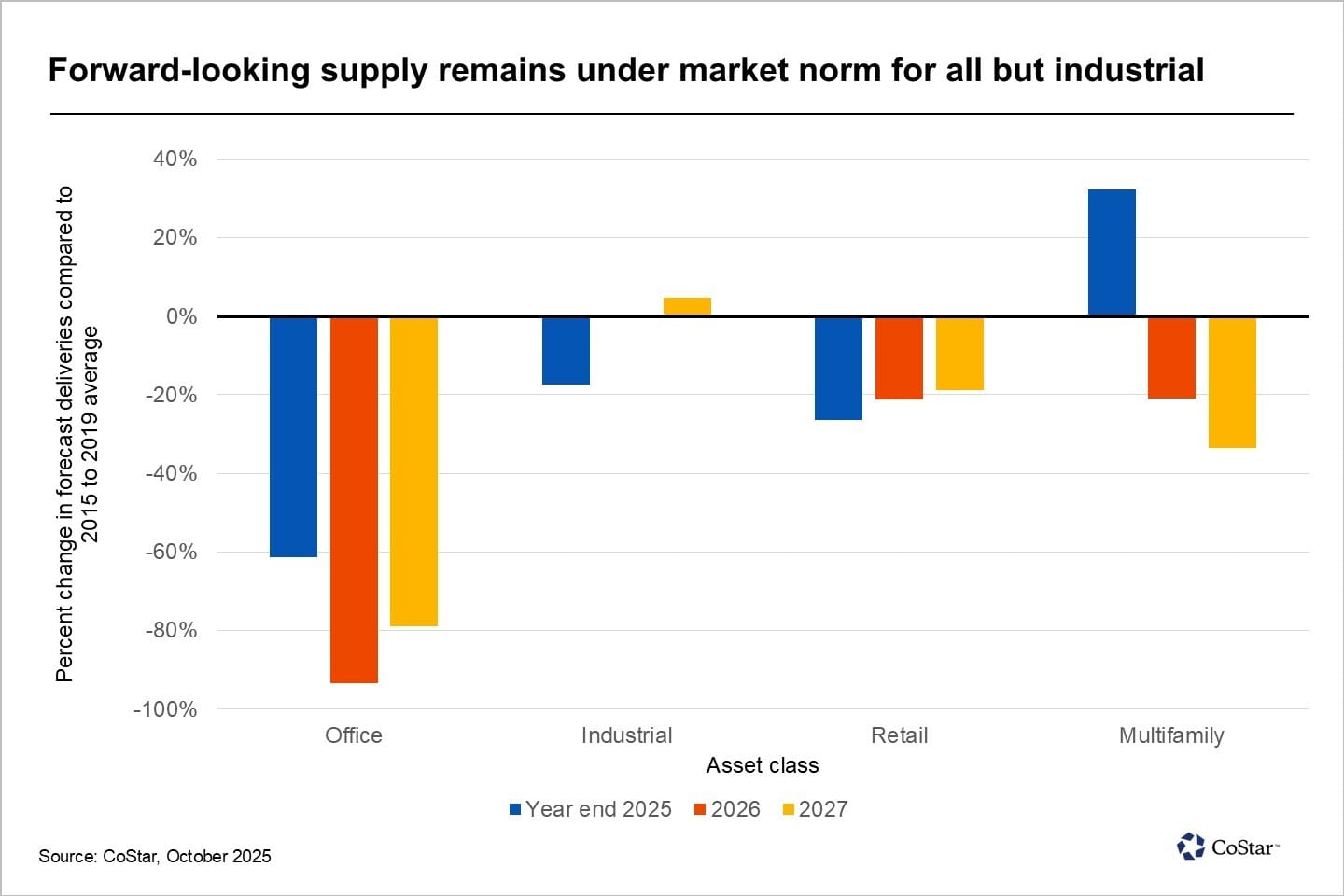
The DFW market is transitioning into a new construction phase marked by a slowdown in office development, a more selective approach to industrial projects, and an evolving housing landscape shaped by affordability and population growth. Developers are recalibrating their priorities, and for real estate professionals, understanding these shifts offers a critical edge in navigating—and capitalizing on—the next phase of the metroplex’s growth.

Zillow Faces New Lawsuit Over Alleged Pressure on Buyers to Use Zillow Home Loans

A new federal lawsuit claims Zillow pushed homebuyers toward Zillow Home Loans by rewarding affiliated agents with valuable leads — all without proper disclosure. The suit alleges undisclosed incentives, referral quotas, and potential RESPA violations, raising major concerns about steering, fiduciary duties, and Zillow’s expanding mortgage ambitions.

Embracing Innovation to Stay Competitive in a Shifting Mortgage Market

The mortgage industry is evolving fast, and the lenders who come out on top will be those who innovate without uprooting what already works. By building on strong technology foundations, streamlining workflows and adopting smart automation, lenders can reduce costs, improve customer experience and stay resilient in any market cycle. This article breaks down why innovation matters now, how a stable tech ecosystem protects lenders in volatile conditions and why small, strategic steps can drive long-term transformation.