Unveiling Greece’s Digital Health Landscape

In the rapidly evolving realm of digital health, Greece finds itself at a pivotal juncture. While the term “digital health” lacks a precise legal definition in Greek law, it is broadly understood to include telemedicine, software as medical devices, and other digital healthcare services. This expansive interpretation aligns with definitions provided by the World Health Organization and the European Commission, emphasizing the integration of ICTs in health-related fields.

Emerging Technologies and Market Growth

Greece is witnessing a surge in digital health technologies, with telemedicine, wearable devices, and AI-powered tools leading the charge. These innovations are not only reshaping healthcare delivery but are also projected to boost the digital health market to a staggering $454.70 million by 2027, as per Statista Market Forecast.

Regulatory Framework and Legal Challenges

Navigating the digital health landscape in Greece involves a complex interplay of regulatory frameworks. Key legislations such as Greek Laws 4931/2022 and 4715/2020, alongside EU regulations like the MDR and IVDR, form the backbone of healthcare governance. However, core legal issues persist, particularly in data privacy, security, and the categorization of digital tools as medical devices.

Data Privacy and Security

The protection of personal data remains a cornerstone of digital health regulation. Compliance with the GDPR and Greek Law 4624/2019 is imperative, with stringent requirements for processing, storing, and sharing health data. The Hellenic Data Protection Authority plays a crucial role in enforcing these regulations, ensuring that entities prioritize data integrity and confidentiality.

Intellectual Property and Innovation

In the realm of intellectual property, the Greek Patent Law and the European Patent Convention offer a framework for protecting digital health innovations. While AI and software-driven inventions present unique challenges, the potential for patentability exists if they demonstrate technical character and solve specific problems.

Future Prospects and Government Initiatives

Looking ahead, Greece’s strategic focus on healthcare digitization is evident through initiatives like the Digital Bible of Transformation and the Recovery and Resilience Plan Greece 2.0. These projects aim to enhance digital infrastructure, expand telemedicine, and streamline electronic health records, with a completion target set for 2025.

For a comprehensive understanding of Greece’s digital health laws and regulations, the original article on ICLG.com offers an in-depth analysis of the current landscape and future trends.

More Articles

Getting licensed or staying ahead in your career can be a journey—but it doesn’t have to be overwhelming. Grab your favorite coffee or tea, take a moment to relax, and browse through our articles. Whether you’re just starting out or renewing your expertise, we’ve got tips, insights, and advice to keep you moving forward. Here’s to your success—one sip and one step at a time!

A New Blueprint for True Florida Affordability: Jayden D’Onofrio Pushes for Real Relief in 2026

Florida families are feeling the squeeze as everyday costs, insurance premiums, and homeownership barriers continue to climb. House District 102 candidate Jayden D’Onofrio is calling for a broader, more unified affordability strategy—one that tackles the state’s insurance crisis, supports first‑time homebuyers, and restores real competition in the market. His message centers on transparency, practical solutions, and keeping Florida livable for the professionals, workers, and families who power its economy.

Health Insurance Shake‑Up: America’s Coverage Markets Enter a New Era

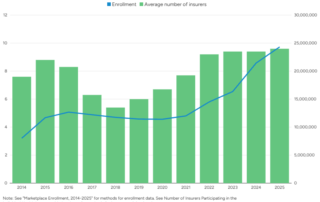
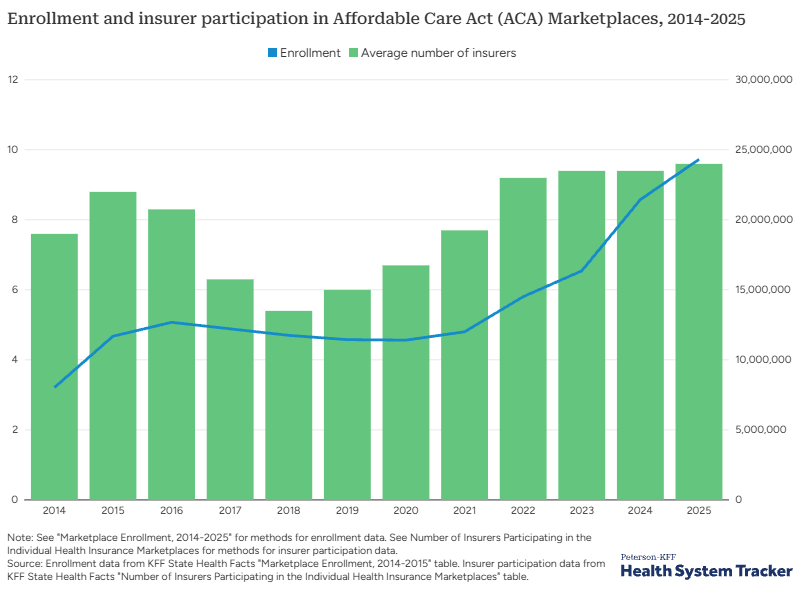
A decade of dramatic change is reshaping America’s health insurance markets. Employer group plans are becoming increasingly dominated by a few powerful insurers, while the ACA individual marketplace is experiencing record‑breaking competition and enrollment. Self‑funded plans are surging, small‑group premiums are driving employers to new coverage models, and major policy shifts in 2025 could redefine affordability for millions. This data‑driven Peterson‑KFF analysis breaks down the trends every insurance, finance, and business professional needs to understand as the industry enters a transformative new era.

Florida’s Next Mega‑Development: Winchester Ranch Set to Transform North Port

Sarasota County is inching closer to approving Winchester Ranch, a massive 8,999‑home community planned for more than 3,100 acres in North Port. With a 7‑1 vote from the Planning Commission and a final decision expected in early 2026, the project could become one of Southwest Florida’s largest developments in decades—bringing new housing, commercial space, and industry while raising fresh questions about growth, the environment, and the region’s rapidly evolving real estate market.

Lument Finance Trust Closes $664 Million CRE CLO, Signaling Strength in 2025 Markets

Lument Finance Trust has closed a major $663.8 million commercial real estate CLO, marking one of the standout CRE finance deals of 2025. The transaction, LMNT 2025-FL3, features a strong reinvestment period, non‑recourse and non‑mark‑to‑market financing, and a diversified pool of 32 loans tied to 49 properties nationwide. With J.P. Morgan leading the structuring and more than $585 million placed in investment‑grade securities, the deal highlights renewed stability in transitional CRE debt—making it a development real estate and finance professionals will want to watch closely.

Walmart Launches America’s Largest 3D‑Printed Commercial Building Initiative

Walmart has partnered with Alquist 3D to roll out the nation’s first large‑scale wave of 3D‑printed commercial buildings, signaling a major shift in how future retail and industrial spaces will be constructed. After completing an 8,000‑square‑foot 3D‑printed expansion in Tennessee—the largest of its kind—the company is moving forward with over a dozen new projects nationwide, accelerating a tech‑driven transformation in commercial real estate.

Citizens Insurance Proposes 2026 Rate Cuts, Signaling Relief for Florida’s Property Market

Citizens Property Insurance Corp. is recommending statewide rate reductions for 2026—the first proposed decrease in more than a decade. Most Citizens policyholders could see an average 11.5% drop, reflecting recent insurance‑market reforms that have stabilized Florida’s turbulent property sector. With hundreds of thousands of policies moving back to private insurers and state‑backed Citizens shrinking to record‑low enrollment, real estate and insurance professionals should prepare for how lower premiums may influence affordability, buyer confidence, and market activity heading into 2026.