Ever Wondered Why Some People Just Keep Winning? Let’s Dive Into the Mind of Real Estate Guru Ryan Serhant

Alright, let me start with this: ever caught yourself wondering why some people just won’t stop winning? I know, it’s like ugh, can’t relate. But here’s something wild – I just stumbled upon a transcript of Ryan Serhant chatting on The School of Greatness podcast, and let me tell you, this guy didn’t just drop real estate gems, he unloaded freakin’ life hacks! For those of you who may not know, Ryan Serhant is that tall, smiley dude from Million Dollar Listing who somehow makes selling million-dollar penthouses in Manhattan look as easy as deciding what to order for lunch (though, let’s face it, even choosing between a sandwich and a salad can feel herculean sometimes). And while he’s been on TV, written books, and launched his own real estate empire, his journey proves that not everything has been rainbows and commissions. The guy has put in WORK.

Wake Up Call: It’s Not About Being Important – It’s About Being Happy

So let’s kick off with this bombshell Ryan dropped during the podcast – he said there was this moment where he realized he’d spent the last 20 years trying to feel important, but what he really wanted was to feel happy. I mean, relatable, right? We’ve ALL been there, grinding away at that 9-to-5, posting on social media, thirsting for validation with every like and emoji reaction. Yet, at the end of it all, sometimes we’re left asking ourselves, “But wait… am I happy?” And Ryan, at the top of his game, had that exact lightbulb moment at 40. You can’t be important to everyone and still feel empty when it comes to yourself. I’m not saying quit your job and go “Eat, Pray, Love” on us, but sometimes, we all need that reminder to check in with ourselves. What’s the point of doing all this work – collecting accolades and paycheck after paycheck – if we aren’t enjoying the ride?

The Fear of Being Embarrassed > The Fear of Failing

One of the hardest-hitting truths Ryan shared in the transcript was this: “People aren’t afraid of being failures, they’re afraid of being embarrassed.” Let that sink in for a second. Embarrassment – that stomach-dropping, face-flushing moment when something doesn’t go as planned and you KNOW people are watching. Yikes. It’s like, who doesn’t have that voice in the back of their mind saying, “But what if I look dumb?” Ryan went on to say how important it is to make mistakes. He spent a year and hundreds of thousands of dollars creating apps and virtual platforms that NO ONE used. Like, crickets. And though those projects flopped, they weren’t just mistakes; they were stepping stones. He learned, adapted, and ended up launching something that actually worked – his software, Simple, which streamlines tedious tasks for real estate agents. Heck, he’s now got a 97% usage rate. Try topping that. So next time you’re holding back because you’re worried what your colleague Karen or your judgmental cousin might think if you fail, just remember this: even Ryan Serhant spent boatloads of time and cash on ideas people ignored. If he can bounce back, so can you.

100x Your Mindset – Like a Billionaire Does!

Okay, let’s be real for a sec. Anyone else here just hoping for 2x results on anything in their life? Lose weight twice as fast? Double my annual salary? Have two good hair days in a row? Meanwhile, Ryan’s hanging out with billionaires who’ve completely flipped the script. These movers and shakers aren’t thinking in small, gradual growth. These folks are striving for 100x, baby. Why take small swings when you can knock it out the park? Ryan is surrounded by people who are asking themselves big questions like, “How can I take this idea and scale it to 100x?” and “How do I turn every person I meet into a future collaborator?” I mean, I don’t know about you, but my brain Googles “how to scale anything to 100x” and starts buffering right away. But think about it – it’s powerful. Millionaires think about money, billionaires think about time. They streamline, they delegate, they make decisions fast. Ryan even pointed out how these people barely glance at menus in restaurants – they just tell the server, “Surprise me,” so they can focus on way more important matters. And honestly, that sounds like a life hack in itself – less time spent agonizing over choices, more time living life.

What We Can Learn from Ryan: Embrace the Hustle—but with Purpose

Ryan has this undefinable, burning passion for sales – a profession that unlocked his potential. But when talking about success, he’s quick to elaborate that you have to figure out what YOU’RE actually passionate about. Is it the work or the results? He used to think he loved the grind of closing deals, but realized he was more about the satisfaction and freedom those results provided. Someone once said that the best opportunities will knock on both sides of the door (or maybe I just made that up?), and Ryan is the epitome of this. Through trials, flops, and massive wins, his journey screams: don’t be afraid to screw up. In fact, welcome it. Heck, invite failure over for coffee. Just learn from it. He’s built his empire not by playing it safe, but by consistently trying and retrying until something worked. He even says, “You work so hard you make luck easy to find.” Which is probably one of the greatest pieces of advice anyone hustling out there could hear. Make it so success doesn’t have a choice but to knock at your door… persistently.

Closing Thoughts: What Can We Take Away?

If there’s anything you take away from Ryan Serhant’s entrepreneurial journey, it’s this: risk it. Show up. Keep showing up. You don’t have to know the whole roadmap. Hell, you don’t even need GPS. Just keep driving toward something that excites you. And hey, maybe all those serial reaction videos lighting up your feed right now have something in common with Ryan’s take on vital life lessons: experiment, create, fail fast, and always aim for a bigger horizon. And who knows? Maybe Netflix will come knocking at your door too.

So What Do You Think? What’s YOUR Key Takeaway?

Have you had an “aha” moment like Ryan’s—where you realized it’s time to chase happiness over importance? Or maybe you’ve made some epic mistakes that led to something better? Hit that comment section below and let’s talk!

More Articles

Getting licensed or staying ahead in your career can be a journey—but it doesn’t have to be overwhelming. Grab your favorite coffee or tea, take a moment to relax, and browse through our articles. Whether you’re just starting out or renewing your expertise, we’ve got tips, insights, and advice to keep you moving forward. Here’s to your success—one sip and one step at a time!
The Great Housing Reset: What Redfin Predicts for 2026

Redfin forecasts a slow but meaningful return to normalcy in the U.S. housing market starting in 2026. Instead of a crash or a rapid correction, the year marks the beginning of a “Great Housing Reset” where affordability gradually improves, mortgage rates ease into the low‑6% range, home sales tick upward, and renters, buyers, and professionals finally feel less market pressure. From wage growth outpacing home prices to rising refi activity and the rise of AI‑powered real estate tools, 2026 is shaping up to be a foundational year for real estate careers and long‑term market stability.

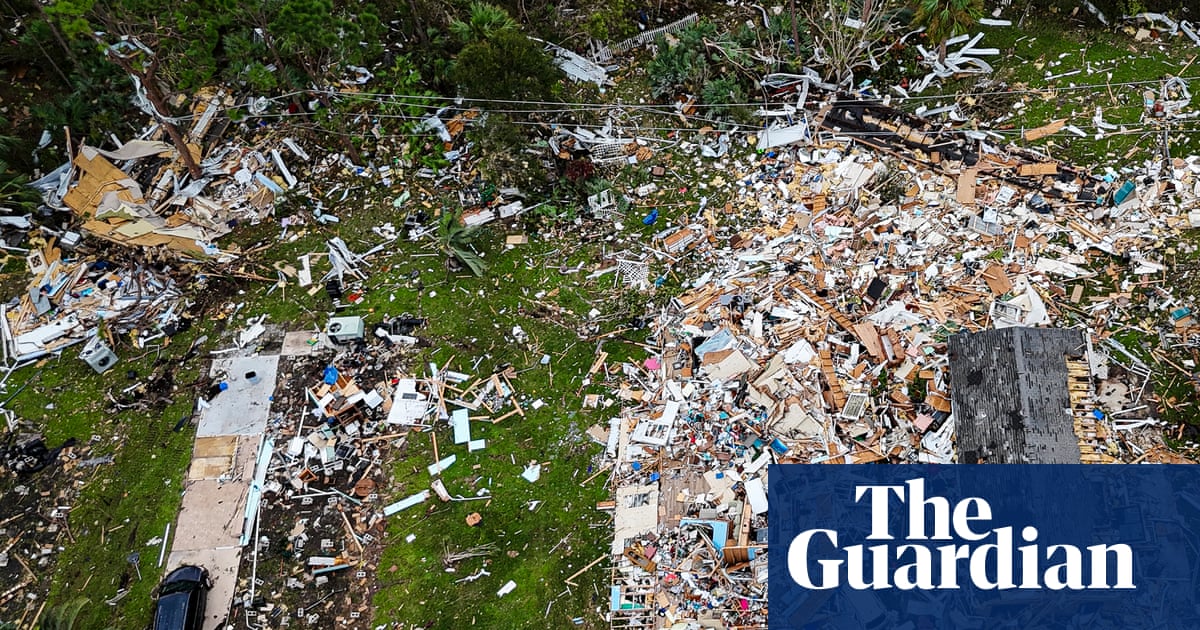
Climate Disasters Are Outpacing Insurance Uptake as the Global Protection Gap Nears Crisis Levels

Hurricane Melissa’s destruction in Jamaica highlights a growing global reality: climate risks are accelerating faster than insurance adoption. With more than 90% of disaster losses in developing regions going uninsured and a worldwide protection gap exceeding $1.8 trillion annually, experts warn that traditional insurance systems can no longer keep up. New models—like parametric payouts, community‑based aggregation and bundled climate tools—are emerging, but governments and corporations must step in to prevent financial shocks from destabilizing entire economies.

AI-Powered Excavators? Gravis Robotics Secures $23M to Tackle Construction’s Growing Labor Crisis

Gravis Robotics, a Zurich-based startup, just raised $23 million to bring autonomous tech to construction sites facing a massive operator shortage. As demand surges for renewable energy projects, data centers, and new housing, Gravis retrofits traditional heavy machinery with AI-driven systems that can work autonomously or via remote guidance. With trials already underway across seven countries, the company is pushing a future where humans and robots collaborate — speeding up development timelines and reshaping industries from construction to real estate.

Zillow Drops Climate Risk Scores—What It Means for Agents, Buyers, and the Future of Real Estate

Zillow has quietly removed its climate‑risk scores after months of pressure from agents, homeowners, and listing services who said the warnings were scaring off buyers. The move has sparked a national debate: Is this a win for real estate sales or a setback for consumer transparency? Critics warn that without clear climate‑risk data, families could be “flying blind” into costly surprises like insurance spikes and flood damage. As climate impacts intensify and disclosure expectations rise, real estate professionals must stay informed—because whether Zillow shows the data or not, the risks aren’t going anywhere.

Florida’s Property Insurance Battle Heats Up as 2026 Approaches

Florida’s property insurance crisis is becoming the defining issue heading into the 2026 election season. Republicans argue that recent reforms are finally stabilizing the market, pointing to reduced litigation and cooling reinsurance costs. Democrats counter that families are still facing unbearable premiums, with condo prices dropping over 8% and Floridians paying some of the highest insurance rates in the nation. As lawmakers prepare to return to Tallahassee, the future of insurance reform is set to become the central political fight—one that will directly impact homeowners, investors, and real estate professionals across the state.

The Invisible Backbone Transforming Modern Real Estate

Connectivity has become one of the most powerful differentiators in today’s real estate market. As smart buildings, automation, and sustainability demands accelerate, fiber networks are replacing outdated copper systems and reshaping property value. With lower energy use, unified smart‑building capabilities, reduced long‑term costs, and stronger tenant satisfaction, digital infrastructure is now central to investment strategy. Real estate professionals who understand this shift gain a competitive edge as the industry moves toward cleaner, smarter, more connected buildings.