In a recent article published in npj Digital Medicine, researchers have explored the ethical dimensions of deploying Large Language Models (LLMs) like ChatGPT in healthcare. This comprehensive review underscores the dual-edged sword that these advanced AI systems represent—offering remarkable potential for improving healthcare delivery while simultaneously presenting significant ethical challenges.

Potential and Perils of LLMs in Healthcare

The study highlights the transformative potential of LLMs in enhancing data analysis and decision-making processes within medical settings. These AI models promise to revolutionize clinical operations by supporting diagnostic accuracy and enhancing patient communication. However, the research also brings to light pressing ethical concerns, notably in areas of fairness, transparency, and privacy. The researchers argue that these issues necessitate the establishment of rigorous ethical guidelines and the inclusion of human oversight to ensure responsible AI deployment.

Background and Methodology

The backdrop of this study is the burgeoning interest in AI technologies, especially following the release of ChatGPT by OpenAI in 2022. The rapid integration of LLMs into various sectors, including healthcare, has sparked both optimism and caution. Previous studies have flagged risks such as potential inaccuracies in medical information, privacy breaches involving sensitive patient data, and the reinforcement of biases related to gender, culture, or race.

To systematically address these concerns, the researchers conducted an exhaustive review, collating data from numerous publication databases and preprint servers. This approach aimed to map the ethical landscape of LLMs in healthcare, thereby informing future policy-making and guideline development.

Key Findings

The analysis of 53 articles revealed four primary themes:
  • Clinical applications
  • Patient support
  • Professional support
  • Public health perspectives
In clinical settings, LLMs show promise for aiding in patient diagnosis and triage. However, the accuracy of these models remains under scrutiny due to potential biases that could lead to erroneous medical advice.

For patient support, LLMs can facilitate access to medical information and symptom management. Yet, the ethical considerations of data privacy and the reliability of AI-generated advice are critical. In supporting healthcare professionals, LLMs could automate administrative tasks, but this raises concerns about the potential erosion of professional skills and the integrity of research outputs.

From a public health perspective, LLMs could enhance disease monitoring and health information dissemination. Nevertheless, the risk of spreading misinformation and the concentration of AI power among a few corporations could exacerbate health disparities.

Conclusion and Future Directions

While LLMs hold significant promise for advancing healthcare efficiency and patient care, their ethical application demands comprehensive scrutiny. The study calls for robust ethical guidelines, enhanced transparency, and equitable deployment of LLMs to mitigate potential harms and ensure patient safety. Future research should focus on these areas to facilitate the responsible integration of AI in global healthcare contexts.

This insightful study, conducted by Haltaufderheide & Ranisch and published in npj Digital Medicine, serves as a crucial reference for stakeholders aiming to navigate the complex ethical terrain of AI in healthcare. For further reading, visit the original article.

More Articles

Getting licensed or staying ahead in your career can be a journey—but it doesn’t have to be overwhelming. Grab your favorite coffee or tea, take a moment to relax, and browse through our articles. Whether you’re just starting out or renewing your expertise, we’ve got tips, insights, and advice to keep you moving forward. Here’s to your success—one sip and one step at a time!

2025 Commercial Real Estate Outlook: Navigating a New Era

The commercial real estate landscape is on the brink of transformation as leaders seek to navigate the challenges of recent years and position their organizations for future opportunities.

The Emerging Mental Health Crisis Among Healthcare Workers During the COVID-19 Pandemic

The pandemic has ushered in a wave of mental health challenges that affect healthcare workers profoundly. From the onset of COVID-19, these professionals have been at the forefront, facing immense pressure, long hours, and the constant fear of exposure.

By |December 18, 2024|Categories: Article, Healthcare Workers, Mental Health|Tags: , |0 Comments

Ethical Concerns of Large Language Models in Healthcare

Exploring the dual nature of LLMs offers substantial benefits in healthcare but also raises significant ethical concerns, underscoring the need for well-defined guidelines and human oversight.

The Role of Wearable Devices in Chronic Disease Monitoring and Patient Care: A Comprehensive Review

Wearable devices have become integral in managing chronic conditions by providing continuous health data, empowering patients and healthcare professionals with insights that were previously unattainable.

AI Training Mandates: Navigating Legal Waters in Dentistry

The integration of artificial intelligence (AI) into dental practices is more than a technological trend; it represents a seismic shift in the industry. This transformation is reshaping skill sets and prompting a thorough examination of legal and ethical implications.

By |December 17, 2024|Categories: Article, Legal, Technology|Tags: , |0 Comments

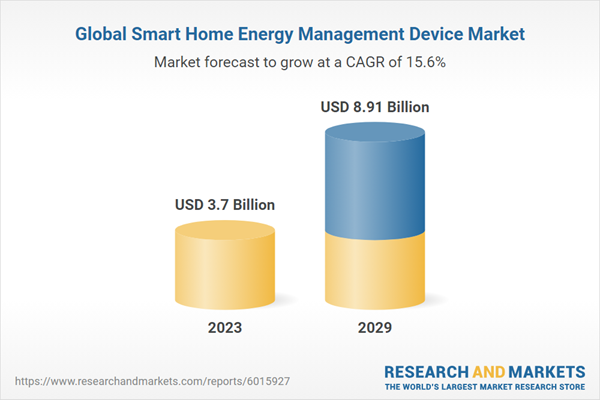
Smart Home Energy Management Devices: A Market Poised for Growth

The Global Smart Home Energy Management Device Market is on the brink of a significant transformation, driven by escalating demands for energy-efficient solutions and the increasing adoption of smart home technologies.