In a recent article published in npj Digital Medicine, researchers have explored the ethical dimensions of deploying Large Language Models (LLMs) like ChatGPT in healthcare. This comprehensive review underscores the dual-edged sword that these advanced AI systems represent—offering remarkable potential for improving healthcare delivery while simultaneously presenting significant ethical challenges.

Potential and Perils of LLMs in Healthcare

The study highlights the transformative potential of LLMs in enhancing data analysis and decision-making processes within medical settings. These AI models promise to revolutionize clinical operations by supporting diagnostic accuracy and enhancing patient communication. However, the research also brings to light pressing ethical concerns, notably in areas of fairness, transparency, and privacy. The researchers argue that these issues necessitate the establishment of rigorous ethical guidelines and the inclusion of human oversight to ensure responsible AI deployment.

Background and Methodology

The backdrop of this study is the burgeoning interest in AI technologies, especially following the release of ChatGPT by OpenAI in 2022. The rapid integration of LLMs into various sectors, including healthcare, has sparked both optimism and caution. Previous studies have flagged risks such as potential inaccuracies in medical information, privacy breaches involving sensitive patient data, and the reinforcement of biases related to gender, culture, or race.

To systematically address these concerns, the researchers conducted an exhaustive review, collating data from numerous publication databases and preprint servers. This approach aimed to map the ethical landscape of LLMs in healthcare, thereby informing future policy-making and guideline development.

Key Findings

The analysis of 53 articles revealed four primary themes:
  • Clinical applications
  • Patient support
  • Professional support
  • Public health perspectives
In clinical settings, LLMs show promise for aiding in patient diagnosis and triage. However, the accuracy of these models remains under scrutiny due to potential biases that could lead to erroneous medical advice.

For patient support, LLMs can facilitate access to medical information and symptom management. Yet, the ethical considerations of data privacy and the reliability of AI-generated advice are critical. In supporting healthcare professionals, LLMs could automate administrative tasks, but this raises concerns about the potential erosion of professional skills and the integrity of research outputs.

From a public health perspective, LLMs could enhance disease monitoring and health information dissemination. Nevertheless, the risk of spreading misinformation and the concentration of AI power among a few corporations could exacerbate health disparities.

Conclusion and Future Directions

While LLMs hold significant promise for advancing healthcare efficiency and patient care, their ethical application demands comprehensive scrutiny. The study calls for robust ethical guidelines, enhanced transparency, and equitable deployment of LLMs to mitigate potential harms and ensure patient safety. Future research should focus on these areas to facilitate the responsible integration of AI in global healthcare contexts.

This insightful study, conducted by Haltaufderheide & Ranisch and published in npj Digital Medicine, serves as a crucial reference for stakeholders aiming to navigate the complex ethical terrain of AI in healthcare. For further reading, visit the original article.

More Articles

Getting licensed or staying ahead in your career can be a journey—but it doesn’t have to be overwhelming. Grab your favorite coffee or tea, take a moment to relax, and browse through our articles. Whether you’re just starting out or renewing your expertise, we’ve got tips, insights, and advice to keep you moving forward. Here’s to your success—one sip and one step at a time!

Revolutionizing Radiology: AI’s Impact on Diagnostics

AI-powered tools are enhancing the speed and accuracy of diagnoses, significantly benefiting patient outcomes, especially in resource-constrained environments.

By |November 26, 2024|Categories: Article, Artificial Intelligence, Healthcare|Tags: |0 Comments

Exploring the Shifting Landscape of Real Estate in 2024

The real estate market is undergoing significant transformations as we step into 2024, with several trends reshaping the industry. This analysis delves into the top nine trends that are expected to impact the real estate sector this year.

By |November 26, 2024|Categories: Article, Market Trends, Real Estate|Tags: , |0 Comments

AI Revolutionizing Clinical and Molecular Diagnostics

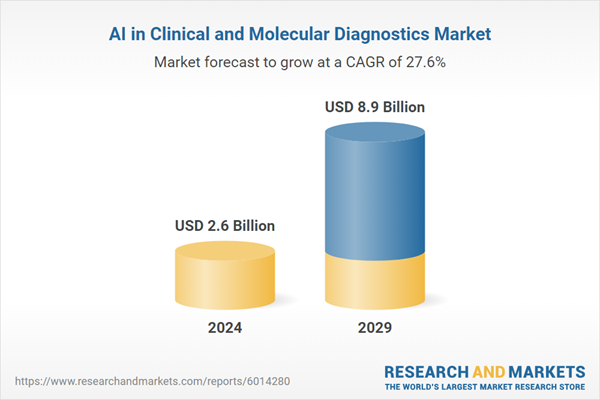
In a groundbreaking development, the market for AI in clinical and molecular diagnostics is set to experience a phenomenal growth trajectory, projected to skyrocket from USD 2.6 billion in 2024 to USD 8.9 billion by 2029 with a robust CAGR of 27.6%.

2025 Banking and Capital Markets Outlook: Navigating Low-Growth Challenges

The overarching goal for banks will be to adapt adeptly to macroeconomic shifts and regulatory implementations such as the Basel III Endgame re-proposal, which calls for strategic recalibration to ensure compliance without sacrificing growth.

CRISPR Technology Market Poised for Remarkable Growth to USD 12,461 Million by 2031

The CRISPR technology market, valued at USD 3,642.1 million in 2024, is anticipated to soar to USD 12,461 million by 2031, marking a robust CAGR of 19.2%.

By |November 25, 2024|Categories: Article, Biotechnology, Healthcare|Tags: , |0 Comments

Mortgage Rates Rise: A Window for Buyers Amid a Cloudy Future

Mortgage rates are climbing, with the 30-year fixed mortgage rate now at 6.64% and the 15-year fixed rate at 5.98%. This increase suggests a challenging landscape for potential refinancing, but a possible opportunity for homebuyers as competition wanes during the holiday season.


By |November 24, 2024|Categories: Article, Finance, Real Estate|Tags: , |0 Comments