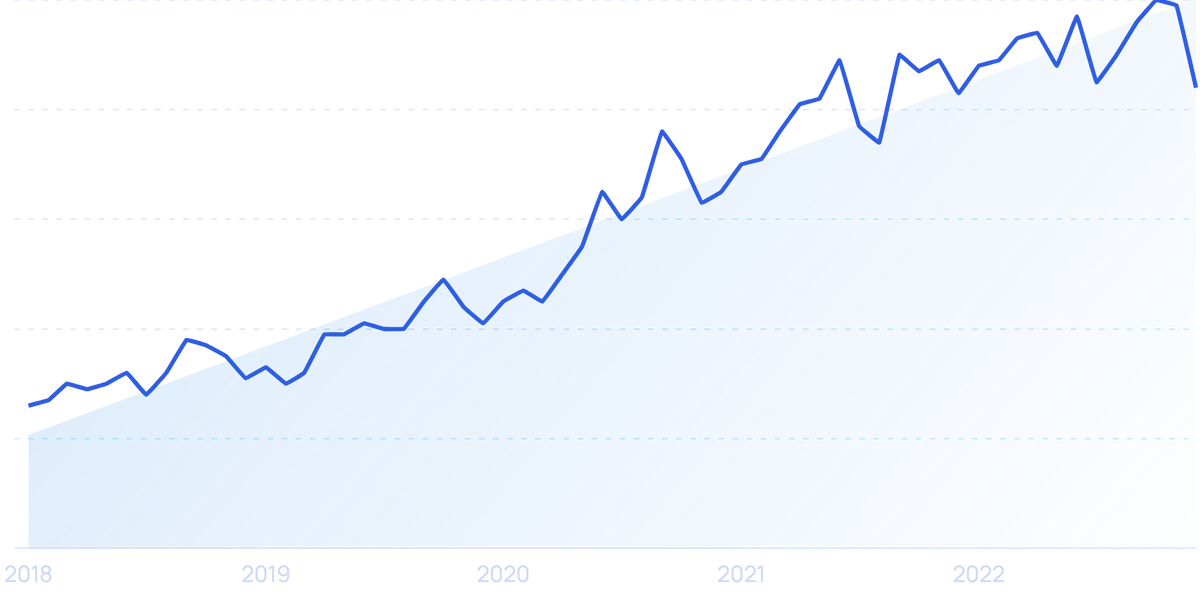
In a recent article published in npj Digital Medicine, researchers have explored the ethical dimensions of deploying Large Language Models (LLMs) like ChatGPT in healthcare. This comprehensive review underscores the dual-edged sword that these advanced AI systems represent—offering remarkable potential for improving healthcare delivery while simultaneously presenting significant ethical challenges.

Potential and Perils of LLMs in Healthcare

The study highlights the transformative potential of LLMs in enhancing data analysis and decision-making processes within medical settings. These AI models promise to revolutionize clinical operations by supporting diagnostic accuracy and enhancing patient communication. However, the research also brings to light pressing ethical concerns, notably in areas of fairness, transparency, and privacy. The researchers argue that these issues necessitate the establishment of rigorous ethical guidelines and the inclusion of human oversight to ensure responsible AI deployment.

Background and Methodology

The backdrop of this study is the burgeoning interest in AI technologies, especially following the release of ChatGPT by OpenAI in 2022. The rapid integration of LLMs into various sectors, including healthcare, has sparked both optimism and caution. Previous studies have flagged risks such as potential inaccuracies in medical information, privacy breaches involving sensitive patient data, and the reinforcement of biases related to gender, culture, or race.

To systematically address these concerns, the researchers conducted an exhaustive review, collating data from numerous publication databases and preprint servers. This approach aimed to map the ethical landscape of LLMs in healthcare, thereby informing future policy-making and guideline development.

Key Findings

The analysis of 53 articles revealed four primary themes:
  • Clinical applications
  • Patient support
  • Professional support
  • Public health perspectives
In clinical settings, LLMs show promise for aiding in patient diagnosis and triage. However, the accuracy of these models remains under scrutiny due to potential biases that could lead to erroneous medical advice.

For patient support, LLMs can facilitate access to medical information and symptom management. Yet, the ethical considerations of data privacy and the reliability of AI-generated advice are critical. In supporting healthcare professionals, LLMs could automate administrative tasks, but this raises concerns about the potential erosion of professional skills and the integrity of research outputs.

From a public health perspective, LLMs could enhance disease monitoring and health information dissemination. Nevertheless, the risk of spreading misinformation and the concentration of AI power among a few corporations could exacerbate health disparities.

Conclusion and Future Directions

While LLMs hold significant promise for advancing healthcare efficiency and patient care, their ethical application demands comprehensive scrutiny. The study calls for robust ethical guidelines, enhanced transparency, and equitable deployment of LLMs to mitigate potential harms and ensure patient safety. Future research should focus on these areas to facilitate the responsible integration of AI in global healthcare contexts.

This insightful study, conducted by Haltaufderheide & Ranisch and published in npj Digital Medicine, serves as a crucial reference for stakeholders aiming to navigate the complex ethical terrain of AI in healthcare. For further reading, visit the original article.

More Articles

Getting licensed or staying ahead in your career can be a journey—but it doesn’t have to be overwhelming. Grab your favorite coffee or tea, take a moment to relax, and browse through our articles. Whether you’re just starting out or renewing your expertise, we’ve got tips, insights, and advice to keep you moving forward. Here’s to your success—one sip and one step at a time!

Exploring the Shifting Landscape of Real Estate in 2024

This trend is beneficial for existing homeowners, who have seen their equity rise by 9.6% last year, adding $1.5 trillion collectively.

By |October 11, 2024|Categories: Article, Market Trends, Real Estate|Tags: |0 Comments

Streamlining Real Estate Success: A Deep Dive into CRM Software for 2024

In the fast-paced world of real estate, efficiency is not just a luxury—it's a necessity. The Tech Report's recent analysis sheds light on the pivotal role of CRM software in transforming how real estate professionals manage leads, engage with clients, and close deals.

By |October 11, 2024|Categories: Article, Real Estate, Technology|Tags: , |0 Comments

Revolutionizing the Real Estate Tech Landscape

The real estate industry has just witnessed the release of its first comprehensive Customer Relationship Management (CRM) guide, titled "The Kerfuffle CRM Guide For Estate & Letting Agents."

By |October 11, 2024|Categories: Article, Real Estate, Technology|Tags: , |0 Comments

Exploring Real Estate Investment: A Comprehensive Guide

Real estate investment is a popular avenue for diversifying one's portfolio and generating passive income. However, the traditional notion of becoming a landlord—complete with calls about leaky faucets and pest control—might not appeal to everyone.

Hurricane Helene’s Impact on the Southeast: A Real Estate Perspective

Hurricane Helene made landfall as a Category 4 hurricane with wind speeds of 140 mph, initially impacting Florida's Big Bend. The storm claims 17 lives and poses $5.6 billion in potential flood damages, with commercial properties at significant wind damage risk.

By |October 10, 2024|Categories: Article, Natural Disasters, Real Estate|Tags: , |0 Comments

Real Estate Rule Changes Shift Commission Costs to Homebuyers

The longstanding practice where sellers routinely covered buyer agent commissions will become a relic of the past.


By |October 10, 2024|Categories: Article, Finance, Real Estate|Tags: , |0 Comments