Unveiling the Future of Investment: AI-Driven Tools for Smarter Decisions
In a world where data reigns supreme, the power of informed decision-making has never been more critical—especially in the high-stakes arena of investing. Welcome to the era of AI-driven insights, where advanced algorithms sift through mountains of information and reveal patterns that would take human analysts ages to uncover. If you’re looking to elevate your investment strategies and outsmart market volatility, you’ve come to the right place! The original article explores some cutting-edge research tools that harness artificial intelligence to enhance financial analysis.
Revolutionizing Investment Research with AI
In today’s fast-paced financial landscape, making sound investment decisions is more crucial than ever. The sheer volume of data available can be overwhelming, but the right tools can transform this complexity into clarity. Enter investment research tools powered by artificial intelligence (AI) and data analytics—game-changers in how investors analyze markets and manage portfolios.
These advanced technologies offer a new lens through which we can view potential investments, helping to identify trends and insights that were once buried beneath layers of information. Whether you’re a seasoned investor or just starting out, harnessing the power of AI can elevate your decision-making process. Let’s explore how these innovative tools are reshaping the way we approach investing and unlock opportunities for growth like never before.
AI: The Brainpower Behind Investment Research
Artificial Intelligence, commonly known as AI, refers to the simulation of human intelligence in machines. These systems are designed to think and learn like humans but can process vast amounts of data at lightning speed.
In investment research, AI algorithms analyze market trends and patterns that would be impossible for humans to detect alone. They sift through financial reports, news articles, and social media sentiment to provide insights that drive better decision-making.
Machine learning models help predict future stock performance by evaluating historical data. Natural language processing tools assess qualitative factors such as earnings calls or analyst predictions.
This technology not only enhances accuracy but also saves time—allowing investors to focus on strategy rather than drowning in data. As a result, incorporating AI into investment research transforms how analysts approach their work and influences outcomes significantly.
Harnessing the Power of Data Analytics
Data analytics revolutionizes investment research by transforming vast amounts of information into actionable insights. It allows investors to identify trends and patterns that may not be immediately obvious through traditional analysis.
Investors can make more informed decisions with predictive modeling, which anticipates future market movements based on historical data. This foresight minimizes risks and maximizes potential returns.
Additionally, data analytics enhances portfolio optimization. By analyzing performance metrics, investors can adjust their strategies to align better with their goals and risk tolerance.
Real-time data access is another significant advantage. Investors receive timely updates that enable them to react promptly to market fluctuations or emerging opportunities.
Lastly, automation reduces human error. Algorithms handle repetitive tasks efficiently, allowing analysts to focus on strategic thinking rather than mundane calculations.
Top Investment Research Tools
Market Analysis Software: These tools leverage AI to sift through vast amounts of market data, offering insights that would take human analysts much longer to uncover.
Portfolio Management Software: By leveraging AI, these tools provide real-time insights into portfolio performance, helping users make informed decisions.
Robo-advisors: Automated platforms that use algorithms to create and manage a diversified portfolio tailored to an investor’s risk tolerance and financial goals.
News Aggregators: They consolidate critical information from numerous sources, allowing investors to stay ahead of market trends.
Real-World Success Stories
One standout example comes from a hedge fund that integrated market analysis software into its strategy. By leveraging AI, the firm predicted shifts in market trends with remarkable accuracy, ultimately leading to a 30% increase in returns over two years.
Another case involved an individual investor using robo-advisors for portfolio management. These tools analyzed personal financial goals and risk tolerance, providing tailored investment strategies. As a result, this investor achieved consistent growth while minimizing losses during volatile markets.
Challenges and Considerations
While AI offers remarkable advantages in investment research, it’s not without its limitations. One significant challenge is the quality of data. If the input data is flawed or biased, the analysis can lead to poor decision-making.
Moreover, algorithms may struggle with unpredictable market conditions. Events like political upheaval or sudden economic shifts can confound even advanced models that rely on historical trends.
There’s also a reliance on technology that could be problematic. An over-dependence might dull human intuition and experience—factors essential for sound investing.
The Road Ahead
The future of AI in investment research is set to revolutionize the industry. As algorithms become more sophisticated, they will analyze vast datasets with unprecedented speed and accuracy.
Predictive analytics will evolve, allowing investors to foresee market trends before they emerge. This proactive approach could reshape portfolio strategies significantly.
Furthermore, machine learning models will adapt over time, continuously improving their recommendations based on real-time data and historical performance. The potential for personalized investing experiences is immense.
Conclusion
In today’s fast-paced investment landscape, utilizing AI and data-driven tools can give investors a crucial edge in making the most informed decisions. From predictive analytics to market sentiment analysis, these top investment research tools are revolutionizing the way we analyze and interpret data. As technology continues to advance, it is essential for investors to stay ahead of the curve and incorporate these powerful tools into their strategies. With the help of AI, we can elevate our investment analysis and confidently make evidence-based decisions for maximum returns.
More Articles
Getting licensed or staying ahead in your career can be a journey—but it doesn’t have to be overwhelming. Grab your favorite coffee or tea, take a moment to relax, and browse through our articles. Whether you’re just starting out or renewing your expertise, we’ve got tips, insights, and advice to keep you moving forward. Here’s to your success—one sip and one step at a time!
The title insurance industry is entering 2026 with a renewed focus on technology, operational efficiency, and stronger agent support after years of volatility. Leaders from major underwriters report rising transaction activity, improved affordability, and a surge in automation and fraud‑prevention tools—signs that smarter systems and better training will define the next wave of growth.
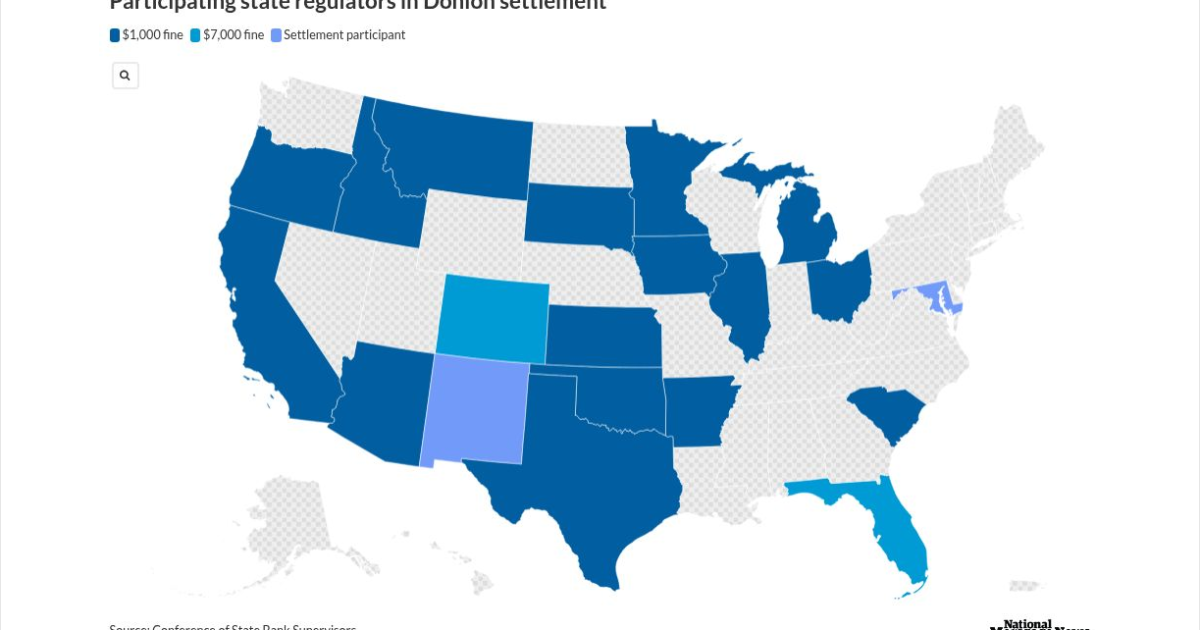
A multistate crackdown has sent shockwaves through the mortgage industry as Patrick Terrance Donlon, CEO of Trusted American Mortgage, accepted a sweeping settlement that bans him from working as a mortgage loan originator in 21 states—19 of them permanently. Regulators say Donlon had another individual complete his mandatory licensing and continuing‑education courses, a violation that triggered a coordinated investigation and a $31,000 penalty. The case underscores regulators’ growing intolerance for education fraud and serves as a sharp reminder to industry professionals: cutting corners on licensing can end careers.
Florida’s once‑booming housing market is cooling fast as rising insurance premiums, increasing foreclosures, and expanding flood zones push buyers to back out of deals and force sellers to cut prices. With insurance now adding thousands to annual housing costs, professionals across real estate, mortgage, and insurance are navigating a dramatically shifting landscape that’s redefining affordability in the Sunshine State.
Florida begins 2026 with a wave of more than 250 new laws now in effect, impacting healthcare, insurance, real estate, and consumer protections statewide. From free breast cancer screenings for state employees to tighter pet insurance regulations, mandatory healthcare refund rules, enhanced animal‑cruelty penalties, and new condo‑management requirements, these updates carry major implications for professionals navigating Florida’s evolving regulatory landscape.
Florida’s barrier islands may offer postcard-perfect beaches and soaring real estate demand, but they’re also some of the most fragile and costly places to build in the United States. With 765,000 residents living on land that shifts, sinks, and takes the brunt of every major hurricane, the financial and insurance risks are accelerating fast. From billion‑dollar beach rebuilds to towers settling into the sand, today’s coastal development challenges are reshaping conversations around property values, disclosure, and long‑term resilience. For real estate professionals, understanding these risks isn’t just smart — it’s becoming essential.
A Cedar City development is turning heads with its fresh approach to affordability. The team behind Temple View Commons is delivering luxury‑inspired twin homes at prices below the local median by using a small, hands‑on staff and cutting traditional costs like realtor commissions. In a tight Utah housing market where inventory is scarce and prices remain high, their strategy offers a realistic path to homeownership without sacrificing high‑end finishes.


 Title Insurance Leaders Double Down on Tech and Efficiency to Drive 2026 Market Momentum Gallery