In a groundbreaking effort to unravel the mysteries of rare diseases, a recent Germany-wide study has leveraged cutting-edge genetic diagnostics to make significant strides in understanding these elusive conditions. Researchers, employing exome sequencing (ES), have analyzed data from 1,577 patients, leading to successful diagnoses in 499 cases and revealing 34 previously unknown genetic conditions.

Unveiling the Genetic Secrets

The study, which has been published in the esteemed journal Nature Genetics, marks a pivotal advancement in identifying the genetic underpinnings of ultra-rare diseases. The researchers utilized innovative technologies, including the “GestaltMatcher” AI software, designed to assist in diagnosing rare diseases through facial feature analysis. This tool plays a crucial role in early diagnostics by matching phenotypes to genotypes, highlighting the clinical benefit of AI integration.

Further research under the MVGenomSeq project aims to address unresolved cases using new methods like long-read sequencing. This approach seeks to uncover genetic changes missed by traditional tools, potentially paving the way for additional diagnoses.

Collaborative Efforts Across Institutions


Institutions such as the University Hospital Bonn, Charité-Universitätsmedizin Berlin, and Klinikum rechts der Isar of the Technical University of Munich have collaborated in this groundbreaking work. According to Dr. Theresa Brunet and Dr. Magdalena Danyel, the interdisciplinary approach involving case conferences plays a critical role in understanding patient phenotypes, thereby enhancing the effectiveness of genetic diagnostics.

The Role of AI in Healthcare


The integration of AI tools like GestaltMatcher into clinical settings provides swift support, especially for pediatricians during routine screenings. This study underscores the transformative role of AI in healthcare, offering a framework for continued exploration and understanding of rare genetic diseases through cutting-edge technology and collaborative efforts.

Overall, this project sets a precedent for future research, emphasizing the power of collaborative efforts in unveiling new medical insights and improving patient care.


More Articles

Getting licensed or staying ahead in your career can be a journey—but it doesn’t have to be overwhelming. Grab your favorite coffee or tea, take a moment to relax, and browse through our articles. Whether you’re just starting out or renewing your expertise, we’ve got tips, insights, and advice to keep you moving forward. Here’s to your success—one sip and one step at a time!

The Transformation of Insurance Through Customer-Centric Ecosystems

In the fast-evolving world of insurance, a transformative shift is underway, driven by the development of customer-centric ecosystems. As highlighted in a comprehensive study by EY, insurance ecosystems are reshaping the industry by focusing on customer engagement, trust, and operational excellence.

Ethical Challenges of AI in Radiography: Insights from Radiographers

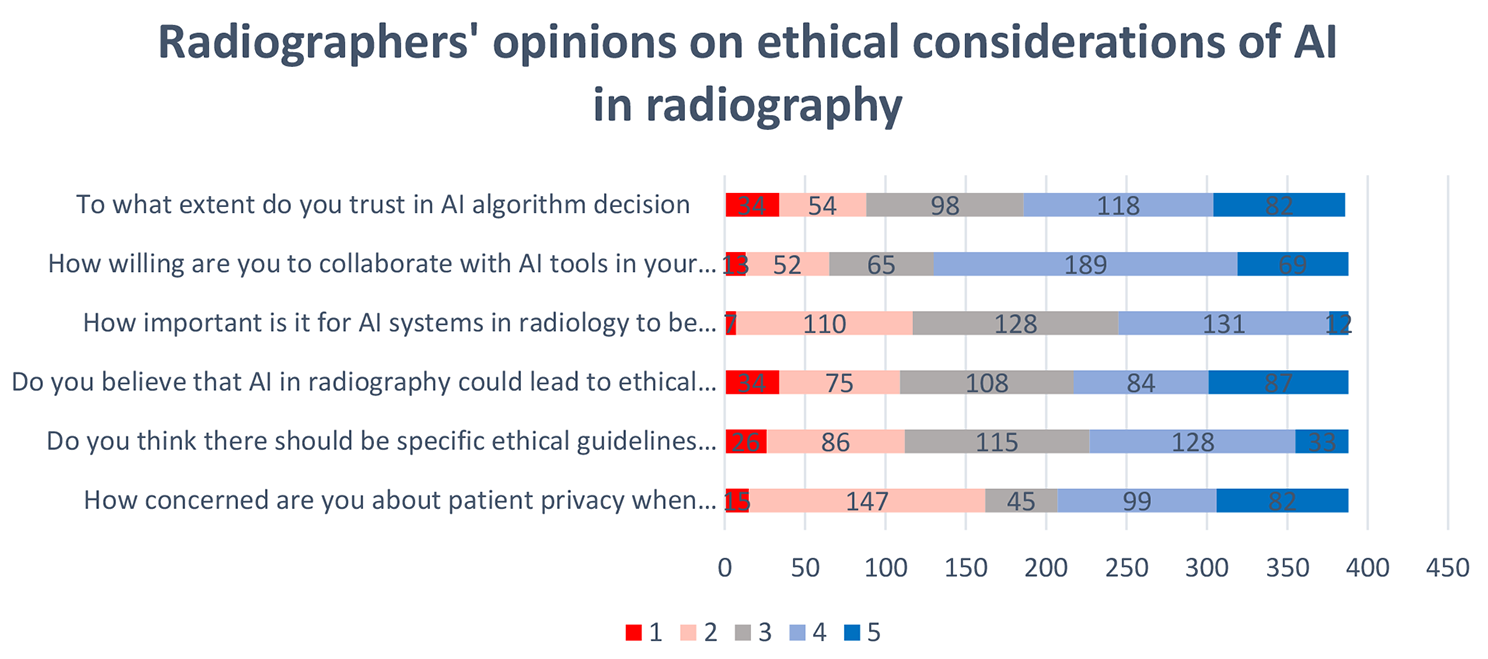
The integration of artificial intelligence in radiography brings a host of ethical challenges that demand careful consideration. A recent study highlights the diverse perspectives of radiographers, revealing significant knowledge gaps and varying trust levels in AI-driven decisions. Concerns over patient privacy and the need for dedicated ethical guidelines are pivotal as healthcare embraces AI.

AI in Healthcare: A Transformative Force Today and Tomorrow

AI tools are already delivering significant value and are poised to further transform healthcare. Embracing these changes today will position organizations and individuals to capture the long-term benefits of a more effective, efficient, and personalized healthcare system.

2024 Housing Market Crystal Ball: Transformative Trends for the Next Decade

The housing landscape of 2034 will be more diverse, technologically advanced, and responsive to the needs of an evolving population.

The Future of AI in Pathology: A Market on the Rise

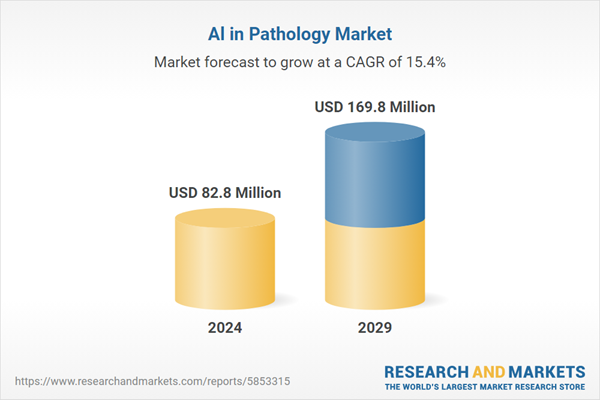
AI in pathology is revolutionizing the field by enhancing the analysis of clinical data, genomic information, and disease progression. These advancements are not only streamlining personalized treatment plans but also optimizing healthcare resource allocation.

By |January 12, 2025|Categories: Article, Healthcare, Technology|Tags: , |0 Comments

Revolutionizing Precision Medicine: AI’s Role in Diabetes and Chronic Disease Management

In an era where data reigns supreme, the integration of artificial intelligence (AI) and machine learning (ML) into the realm of precision medicine is not just a possibility but a burgeoning reality.